
 简体中文
简体中文 繁体中文
繁体中文 Deutsch
 日本語
日本語 한국어
한국어 Tiếng Việt
 Русский
 ไทย
ไทย Bahasa Indonesia
 Bahasa Melayu
 Filipino
 لالعربية
 Français

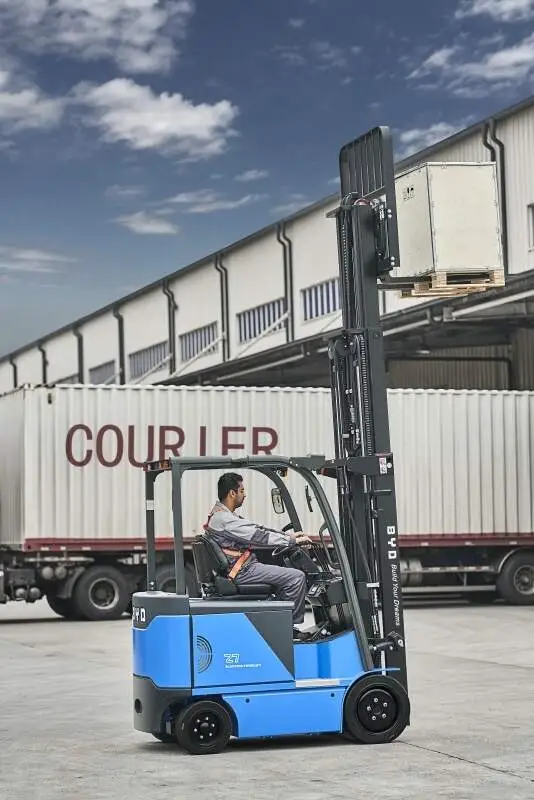
5-Ton electric forklift operation and maintenance cost core composition
Daily energy consumption expenditure
In the daily operation process, the proportion of energy consumption of 4.5-ton electric forklifts to the overall operation and maintenance cost is usually in a high range. There are reasonable differences in the hourly operating power consumption of models with different power configurations. According to the unit price of conventional industrial electricity consumption, the cumulative energy consumption expenditure under long-term high-frequency operation scenarios needs to be included in the cost planning in advance to avoid subsequent budget overruns.
Regular maintenance expenses
Regular maintenance of compliance is the core premise of prolonging the service life of forklifts. Conventional maintenance covers power system inspection, hydraulic pipeline investigation, brake system calibration, etc. There are differences in maintenance intervals and required consumables specifications of different models. The corresponding single maintenance labor and material costs will also fluctuate accordingly. Enterprises can formulate suitable maintenance schedules according to their own operating frequencies.
replacement cost of wearing parts
In the process of long-term high-load handling of forklifts, tires, brake pads, control panel buttons and other components are conventional wearing parts. The replacement cycle and procurement cost of such components directly affect the overall operation and maintenance expenses. The replacement of suitable compliance parts can ensure the stability of the operation. There is no need to over-pursue parts specifications that exceed actual needs.
Description of the operation and maintenance differences between the two mainstream reference models
The cost fluctuation caused by scene adaptation
The two reference models of the same tonnage involved this time are respectively adapted to high-frequency heavy-duty handling scenarios and multi-shift continuous operation scenarios. The actual operation and maintenance costs in different scenarios will fluctuate reasonably with factors such as operation hours and road conditions. Enterprises can prioritize matching their own daily operation attributes to choose the corresponding models, which can effectively reduce unnecessary subsequent additional operation and maintenance expenses.
Full cycle cost calculation reference
According to the conventional standard of 5-year service cycle and 2000 hours of annual operation time, the cumulative operation and maintenance cost difference between the two models is within the reasonable range of the industry, and does not exceed the common cost range of products of the same level. During the enterprise's calculation process, the annual energy consumption, maintenance, and wearing parts replacement expenses can be uniformly collected to obtain accurate full-cycle investment data.
Practical Suggestions for Operation and Maintenance
During daily use, proper operation training for operators, regular cleaning of forklift body debris, and inspection of the operating status of core components can effectively reduce the probability of failure, further lengthen the maintenance interval, and achieve reasonable control of overall operation and maintenance costs.


