
 简体中文
简体中文 繁体中文
繁体中文 Deutsch
 日本語
日本語 한국어
한국어 Tiếng Việt
 Русский
 ไทย
ไทย Bahasa Indonesia
 Bahasa Melayu
 Filipino
 لالعربية
 Français

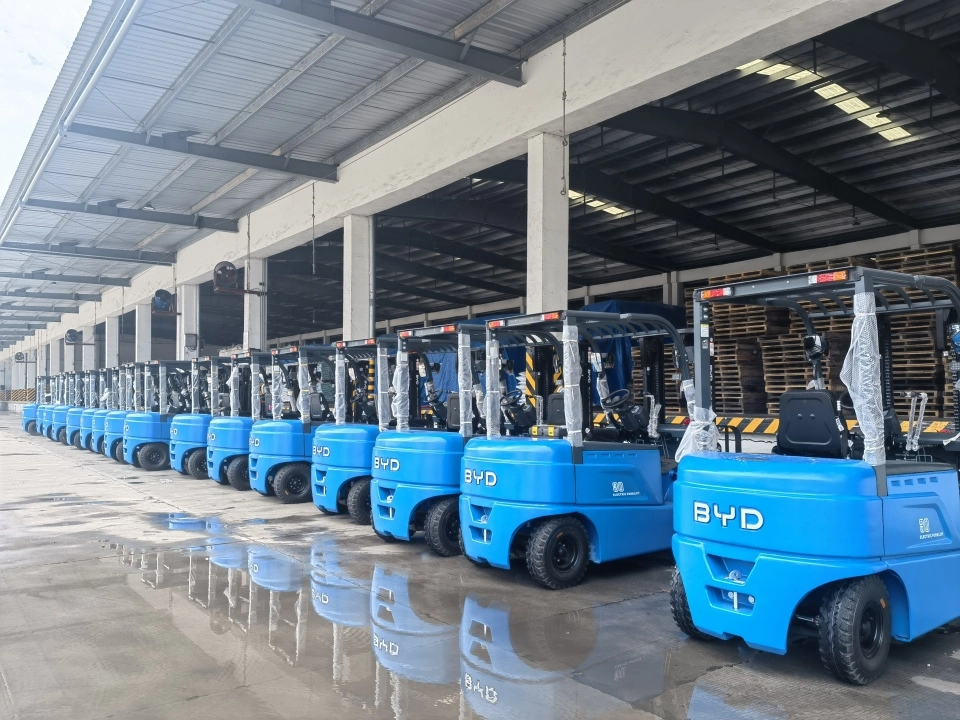
Engaged in industrial handling equipment leasing services for many years, I have often been consulted by manufacturing, logistics, and warehousing users about the leasing of 5-ton lithium-ion forklifts. Among them, billing methods and cycle plans are of high concern. Today, I will provide a detailed analysis for you.
There are two common rental billing methods for 5-ton lithium-ion forklifts, namely, billing by operating hours and billing by lease cycle.
Billing according to the working time is more suitable for scenarios such as temporary rush orders, short-term replenishment during peak production seasons, and project-based scattered handling. This method usually sets the basic time, and users can choose according to their own needs. The working time outside the basic time is generally charged according to the progressive standard of every 15 minutes or every half hour. In addition, whether the driver is equipped with a qualified operation license will affect the overall cost. When services need to be added separately, the cost will be reasonably adjusted. In the case of excluding drivers, the lessee will require the lessee to provide operators with corresponding qualifications and provide necessary training for vehicle safety.
Billing according to the lease cycle is the choice of most users with stable demand. Common lease cycles are divided into short-term leases, medium-term leases, and long-term leases.
Short-term leases generally refer to leases within one month, suitable for clear short-term needs, such as production line relocation, warehouse inventory, etc. Compared with billing based on operating hours, if the total usage time exceeds a certain amount, the comprehensive cost is more controllable.
Medium-term leases are usually 1 month to 12 months, suitable for phased expansion of production scale, warehouse upgrade transition and other scenarios. The lessor will generally provide basic vehicle maintenance services to reduce the pressure on the lessee's Facility Management.
Long-term leasing refers to leasing for more than 12 months, suitable for users with stable production scale and continuous demand for handling equipment. During long-term cooperation, the lessor may provide more flexible services in terms of vehicle configuration adjustment, maintenance response speed, etc.
No matter what kind of billing method or cycle plan, it is recommended that users clarify the vehicle's performance parameters, usage rules, maintenance responsibilities, accident handling methods, and other details before signing the contract to avoid subsequent disputes.


