
 简体中文
简体中文 繁体中文
繁体中文 Deutsch
 日本語
日本語 한국어
한국어 Tiếng Việt
 Русский
 ไทย
ไทย Bahasa Indonesia
 Bahasa Melayu
 Filipino
 لالعربية
 Français

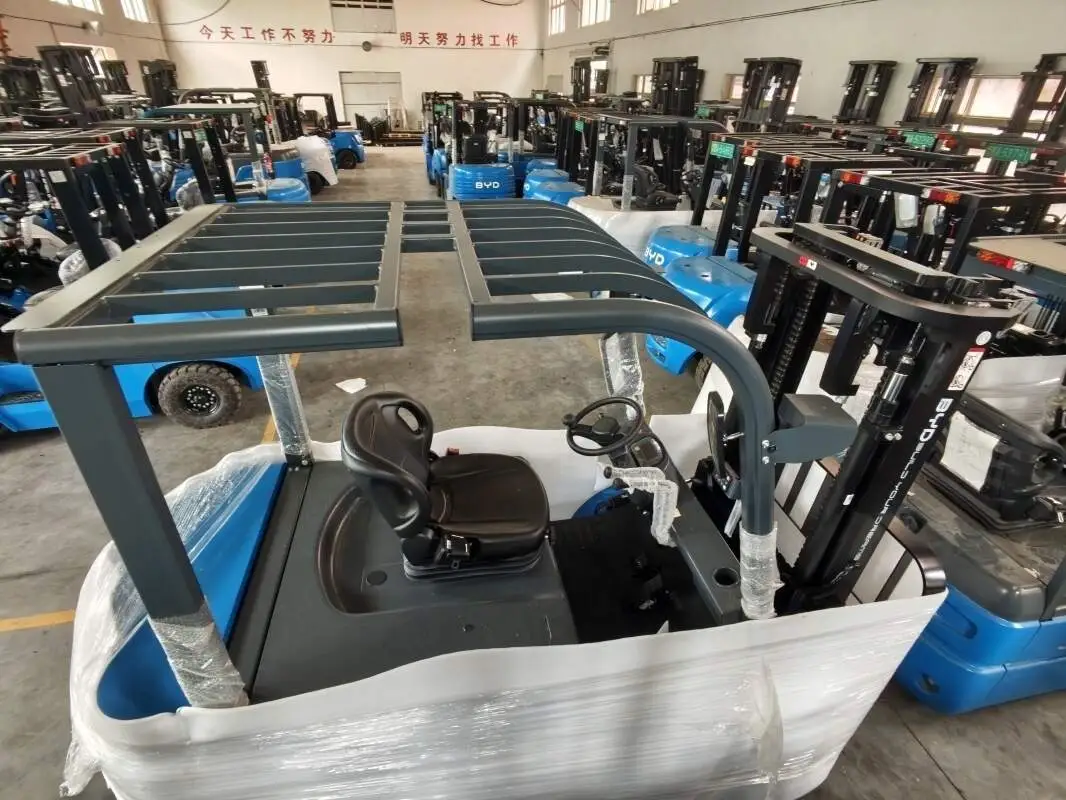
When a factory enters the stage of expansion and production increase, it often faces a concentrated outbreak of capacity demand. The quantity and performance of the original handling equipment are difficult to match the newly added material handling tasks. If multiple pieces of equipment are purchased directly, not only will a large amount of working capital be occupied, but also the equipment may be idle due to the rhythm of production capacity adjustment, which will bring a lot of operational pressure to the enterprise. At this time, the batch financing lease model of multiple handling equipment has become a feasible path to adapt to the demand for vehicles for factory expansion and production increase.
The core advantages of volume finance leasing
Bulk financial leasing can help enterprises relieve financial pressure. During the expansion stage, enterprises need to invest in multiple links such as plant construction and production line upgrades. If you choose the leasing method, you don't need to pay the full amount of equipment at one time. You only need to pay the rent on time, which can be used to increase core production capacity.
At the same time, this model has strong flexibility. As the expansion progress, the capacity demand in the production capacity climbing stage will gradually change. Enterprises can adjust the number and model of leased equipment according to the actual operation volume to avoid the problem of excess or insufficient equipment configuration. In addition, the leasing party usually provides supporting services such as daily operation and maintenance of equipment, reducing the energy investment of enterprises in Facility Management and allowing the factory to focus on production tasks.
Practical key points of adapting to the demand for increased production
First of all, we must do a good job of capacity feature review. Combined with the expanded capacity scale, material handling route, operation frequency and other factors, accurately calculate the number, type and performance requirements of the required handling equipment to ensure that the rental equipment is highly matched with the actual operation scene.
Secondly, it is necessary to clarify the details of the lease plan. Including the lease term, rent payment method, equipment residual value treatment method, etc., it is necessary to fully communicate with the leasing party to formulate a plan that conforms to the rhythm of the enterprise's cash flow. At the same time, it is necessary to confirm the delivery cycle of the equipment to ensure that the equipment can be in place in time at the production capacity climbing node to avoid affecting the production progress.
Finally, it is necessary to establish a supporting management mechanism. Unify the management of the leased handling equipment, standardize the operation process, and regularly cooperate with the leasing party to complete the equipment inspection to ensure the stable operation of the equipment and maximize the use value of the equipment.
Overall, the multi-unit handling equipment batch financing leasing model, through flexible configuration and reasonable cost control, can accurately adapt to the vehicle demand during the expansion and production of the factory, providing strong capacity support for the enterprise's capacity upgrade.


