
 简体中文
简体中文 繁体中文
繁体中文 Deutsch
 日本語
日本語 한국어
한국어 Tiếng Việt
 Русский
 ไทย
ไทย Bahasa Indonesia
 Bahasa Melayu
 Filipino
 لالعربية
 Français

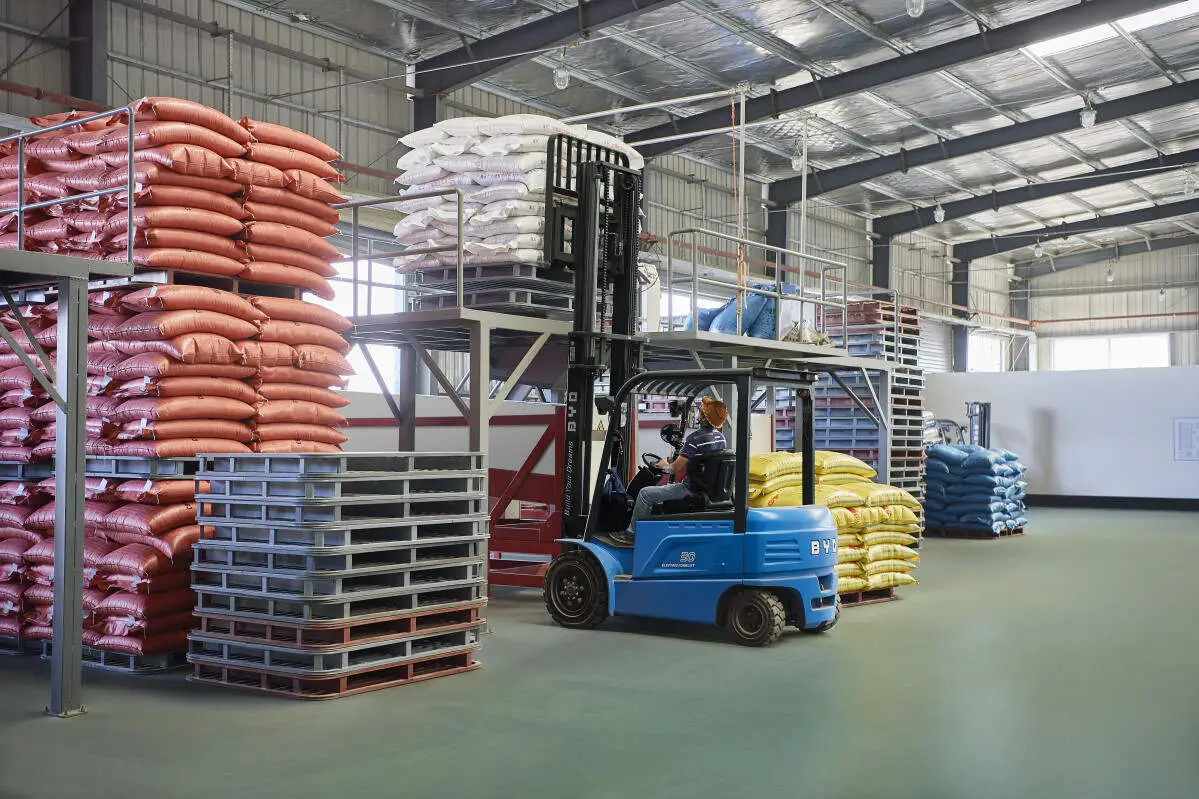
The core cost structure of 4-ton electric forklift truck leasing
Before launching the lease cost calculation, we must first sort out the various expenses involved in the whole process. The conventional lease costs basically include equipment basic usage fees, daily operation and maintenance guarantee fees, and annual routine maintenance fees. Some special scenarios also involve the related costs of temporary installation of accessories and cross-regional transfer. The main body and accounting standards of various expenses under different cooperation models are obviously different, and they need to be calculated one by one in combination with actual use needs.
The cost and adaptation scenario of short-term rental scheme
The cost accounting logic of short-term rental model
Short-term rentals are usually calculated according to the number of days or months of use, without the lessee having to pay a large amount of money in advance for a long time. The rent is settled according to the actual use time. In most cases, the costs related to operation, maintenance and maintenance are borne by the lessor. In addition to equipment damage caused by human improper operation, the lessee basically does not need to bear additional unexpected expenses. The flexibility of short-term investment is very high, and the overall single-day use cost is much higher than that of long-term rentals.
Applicable scenarios of short-term rental model
This type of solution is more suitable for staged surprise operation scenarios, such as quarterly storage of goods, temporary addition of short-term project operations, and replacement of temporary failures of existing self-owned equipment. Short-term rentals are not required in scenarios that do not require long-term occupation of equipment, and there is no additional cost of idle equipment waste.
Cost and Adaptation Scenario of Long-term Rental Scheme
The Cost Accounting Logic of Long-term Lease Model
Long-term rentals usually sign cooperation agreements on an annual basis, agreeing on a fixed monthly rent standard. Most of the costs related to equipment routine maintenance, failure repair, and insurance during the lease period have been included in a unified service package, and the cost of using it equally to a single day is much lower than that of short-term rentals. Some cooperation plans with longer leases can also agree on the relevant rights and interests of equipment replacement on demand, and the comprehensive cost is highly controllable.
Applicable scenarios of the long-term rental model
This type of solution is more suitable for business entities with stable long-term logistics operation needs. The daily storage cargo turnover is stable, and the 4-ton carrying capacity fully matches the daily loading, unloading and transshipment operation needs. Long-term selection of the long-term lease model can save the large initial investment in equipment procurement, and there is no need to arrange additional personnel to be responsible for the daily maintenance and management of equipment.
Suggestions for the selection of long-term and short-term rental plans
Subjects with rental needs can first take stock of their forklift usage frequency and daily operating hours for the next 3 to 12 months, and make a comprehensive judgment based on the flexibility of the existing budget. If the equipment is used for more than half a year during the year, it will be more cost-effective to choose a long-term rental model. If the scattered use time is less than 3 months, choosing a short-term rental can avoid unnecessary expenses caused by idleness.


