
 简体中文
简体中文 繁体中文
繁体中文 Deutsch
 日本語
日本語 한국어
한국어 Tiếng Việt
 Русский
 ไทย
ไทย Bahasa Indonesia
 Bahasa Melayu
 Filipino
 لالعربية
 Français

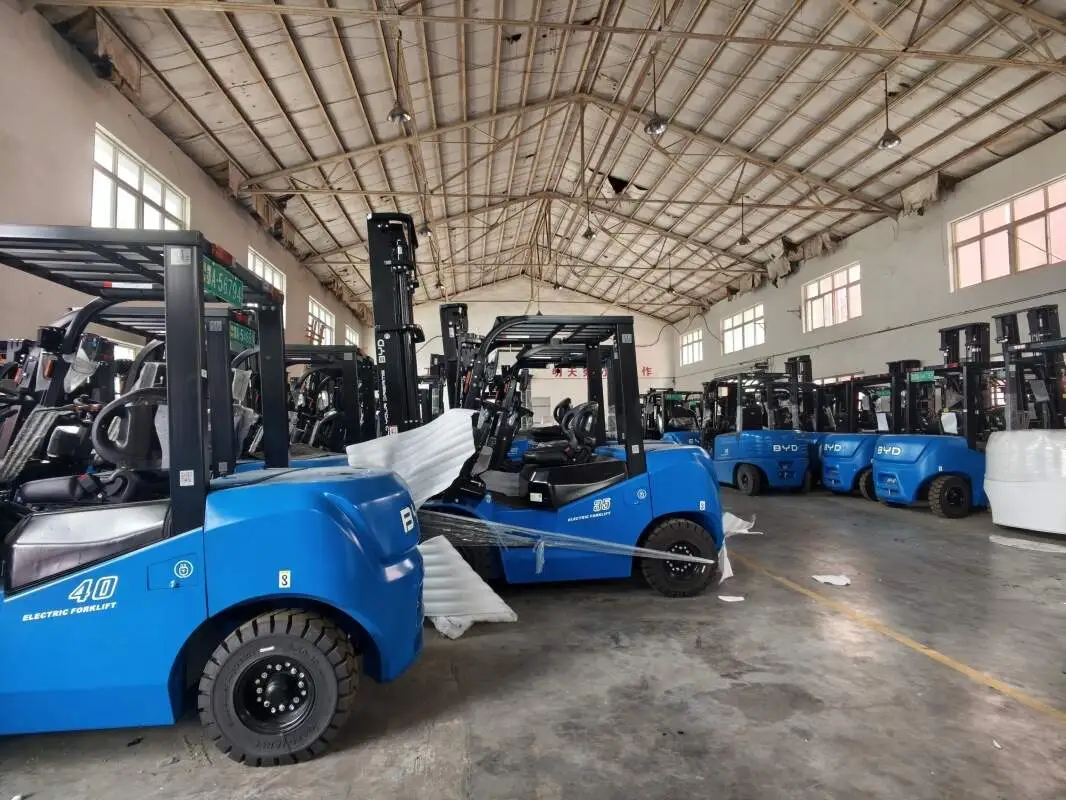
In the field of industrial logistics and transportation, the tractor is the core capacity equipment, and its performance stability directly affects the operation efficiency. Q series tractors have become the choice of many users with mature three-power system technology. The following is a detailed introduction to its internal three-power system and the battery quality assurance policy of each model.
Power System
The power system is the core driving force source of the tractor. According to the needs of different operating scenarios such as factories and warehouses, the use of suitable power units can provide stable high-torque output to meet the requirements of heavy-duty starting and continuous climbing, while taking into account energy consumption control and reducing daily operating costs.
Battery system
The battery system provides energy support for the whole vehicle, and different models of Q series tractors are equipped with suitable battery capacity to match different battery life and load requirements. The battery adopts multiple safety protection design, including overcharge and discharge protection, temperature control, etc., to ensure stable operation in different environments and prolong battery life.
Electronic control system
As the "brain" of the vehicle, the electronic control system is responsible for coordinating power output, battery management and other functions. It adjusts operating parameters in real time through intelligent algorithms to optimize power distribution and improve energy efficiency. At the same time, the electronic control system has the function of fault monitoring, which can timely feedback abnormal conditions, which is convenient for maintenance personnel to quickly investigate and deal with.
Each type of battery quality assurance policy description
For each model of Q series tractor designed for different operation scenarios, the battery quality assurance policy is different. For short-distance high-frequency operation models, the battery provides quality assurance services for a certain number of years or fixed cycles; for long-distance heavy-duty operation models, the battery quality assurance coverage life and mileage are adjusted to adapt to its high-intensity use needs.
It should be noted that the effective quality assurance service needs to meet the prerequisites such as normal use and compliance maintenance. If the battery fails due to improper human operation and failure to maintain as required, it is not within the scope of quality assurance. Users can obtain specific model quality assurance details through official channels to ensure their own rights and interests.


