
 简体中文
简体中文 繁体中文
繁体中文 Deutsch
 日本語
日本語 한국어
한국어 Tiếng Việt
 Русский
 ไทย
ไทย Bahasa Indonesia
 Bahasa Melayu
 Filipino
 لالعربية
 Français

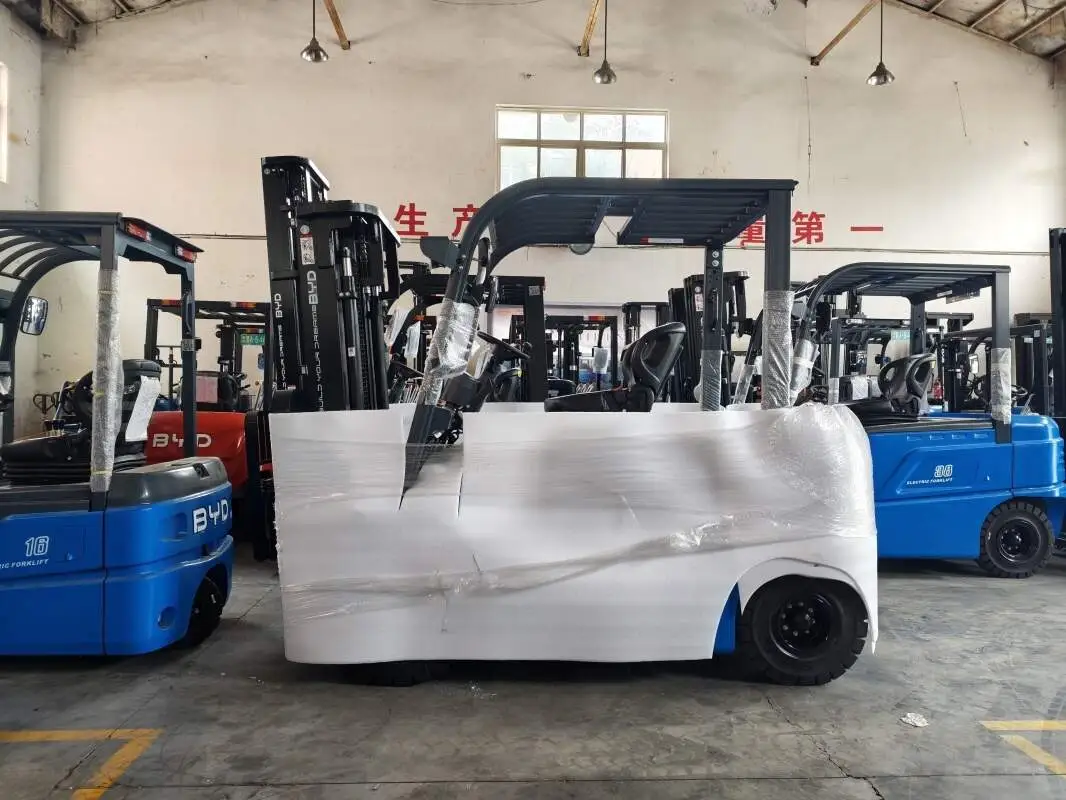
Small warehouses often face problems such as low manual handling efficiency and high cargo collision loss due to their complex categories and frequent turnover. Walking lithium stackers have become an ideal solution for such scenarios due to their flexible and compact characteristics.
Adapt to the core scenario of small warehousing
E-commerce warehouse small picking and transshipment
The proportion of small and medium-sized orders in the e-commerce warehouse is high, and the goods need to be quickly transferred to the temporary storage area or packaging area after picking. The compact body of the walking lithium battery stacker can flexibly shuttle between narrow passages, and with the precise lifting of the fork, it can quickly complete the centralized transfer of multiple batches of small goods, reducing the frequency of manual round trips.
Hardware accessories are warehoused and put on the shelves.
Hardware small pieces have various specifications and different weights, and manual handling and loading are prone to classification errors or goods falling. The walking lithium battery stacker can adjust the lifting height according to the weight of the goods, and accurately place the small pieces to the corresponding shelf layer, while reducing the physical consumption of the operator and improving the accuracy of the shelves.
Retail store replenishment transshipment
Retail store storage space is limited, and it is necessary to consider efficiency and space utilization when replenishing goods. The walking lithium battery stacker does not require a cockpit, and the operator can follow the operation on foot to quickly complete the shelf replenishment in the narrow storage area to avoid taking up too much traffic space.
Standardized operation improves transfer efficiency
Safety check before startup
Before each use, check whether the battery power is sufficient, whether the braking system is sensitive, and whether the fork is deformed or worn to ensure that the equipment has no hidden dangers before starting the operation.
Key points to note in operation
When operating, it is necessary to maintain a safe following distance from the stacker to avoid bumps caused by falling goods; when lifting goods, it is necessary to confirm that the weight is within the rated load range of the equipment, and overweight transshipment is prohibited; when turning or crossing narrow passages, it is necessary to slow down and observe the surrounding environment to avoid collisions with shelves or other equipment.
Closing process after transshipment
After completing the transfer task, park the stacker in the designated safe area, lower the fork to the lowest position, and turn off the power switch to avoid accidental startup of the equipment.
Daily maintenance to ensure stable operation of equipment
Lithium battery system maintenance
Regularly check the voltage status of the battery to avoid excessive charging and discharging affecting the battery life; use supporting charging equipment when charging to keep the charging environment dry and ventilated to prevent damage to the battery due to moisture.
Mechanical parts maintenance
Lubricate the fork lift rails, wheel shafts and other components at regular intervals to reduce mechanical wear; check the degree of wear of the wheels, and replace them in time if excessive wear occurs to ensure smooth running of the equipment.
Cleaning and storage management
After daily use, it is necessary to clean the surface of the vehicle body of dust, small pieces of residue and other foreign objects to prevent parts from getting stuck; during long-term storage, it is necessary to maintain the battery power at about 50% and place it in a dry and ventilated environment to avoid moisture and corrosion of the equipment.


