
 简体中文
简体中文 繁体中文
繁体中文 Deutsch
 日本語
日本語 한국어
한국어 Tiếng Việt
 Русский
 ไทย
ไทย Bahasa Indonesia
 Bahasa Melayu
 Filipino
 لالعربية
 Français

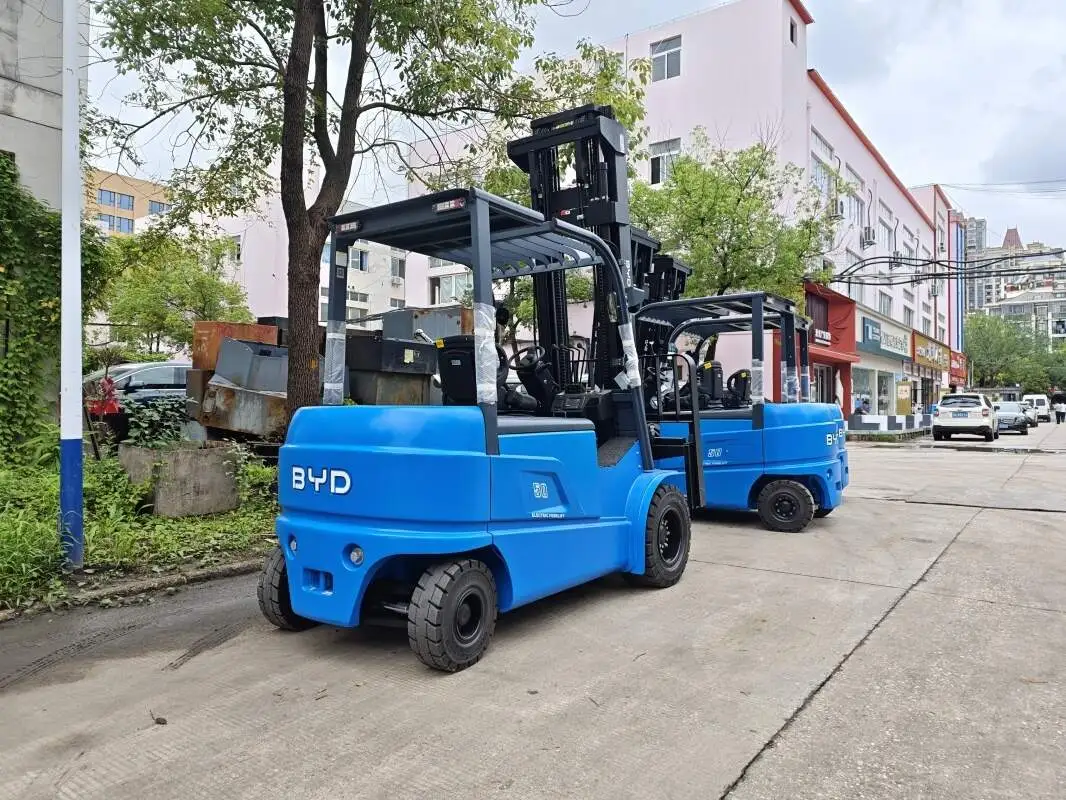
With the rapid development of the cold chain warehousing industry, lithium-ion forklifts have become the core equipment of warehousing operations due to their environmentally friendly and efficient characteristics. However, the particularity of the cold chain environment and the differentiated requirements of multi-industry scenarios place higher demands on the selection of forklifts.
Key performance considerations for adapting to a cold chain environment
Low temperature endurance is one of the core indicators of type selection. The common ambient temperature of cold chain warehouses is between -10 ° C and 0 ° C. Low temperature will affect the activity of lithium batteries. Therefore, it is necessary to pay attention to the low temperature adaptation technology of battery cells to ensure that the forklift can maintain stable battery life in low temperature environment and meet the needs of uninterrupted operation throughout the day. At the same time, cold-resistant materials and sealing protection cannot be ignored. The body frame, hydraulic components and seals of the forklift need to be made of special materials that are resistant to low temperature to avoid problems such as brittle cracking and seal failure at low temperature. It also needs to have good waterproof and dustproof performance to cope with the high humidity environment of the cold chain warehouse.
Focus on the selection of multi-industry scenarios
In the food cold chain scenario, the storage environment requires strict hygiene standards. Forklifts need to have an easy-to-clean appearance design to avoid dust accumulation and contamination. Noise during operation needs to be controlled within a reasonable range to reduce interference with the food storage environment. At the same time, it is necessary to avoid odors during operation and affect food quality. In the pharmaceutical cold chain scenario, some pharmaceutical products are extremely sensitive to temperature fluctuations. Forklifts need to be equipped with accurate temperature control induction devices to avoid local heating during operation. At the same time, the structural design of the equipment needs to comply with relevant industry specifications to meet the hygiene requirements of drug storage. Fresh food e-commerce cold chain scenarios are dominated by high-frequency sorting and narrow-channel operations. Forklifts need to have flexible steering performance and fast response capabilities, adapt to small batches and multi-frequency operation rhythms, and improve order processing efficiency.
Key points of later operation and maintenance and cost control
When selecting models, it is necessary to consider the convenience of later operation and maintenance, and give priority to forklifts that support fast charging and modular battery replacement to reduce equipment downtime and improve operation continuity. At the same time, it is necessary to pay attention to the overall operating cost, including charging efficiency, battery cycle life, maintenance frequency and other indicators, comprehensively evaluate the long-term cost performance of the equipment, and avoid increasing the later operation and maintenance expenses due to low-cost options in the early stage.
Overall, enterprises need to consider their own industry scenarios and cold chain environmental characteristics when selecting models, balance performance requirements and cost control, and choose the most suitable lithium-ion forklift to effectively improve the efficiency and stability of cold chain warehousing operations.


