
 简体中文
简体中文 繁体中文
繁体中文 Deutsch
 日本語
日本語 한국어
한국어 Tiếng Việt
 Русский
 ไทย
ไทย Bahasa Indonesia
 Bahasa Melayu
 Filipino
 لالعربية
 Français

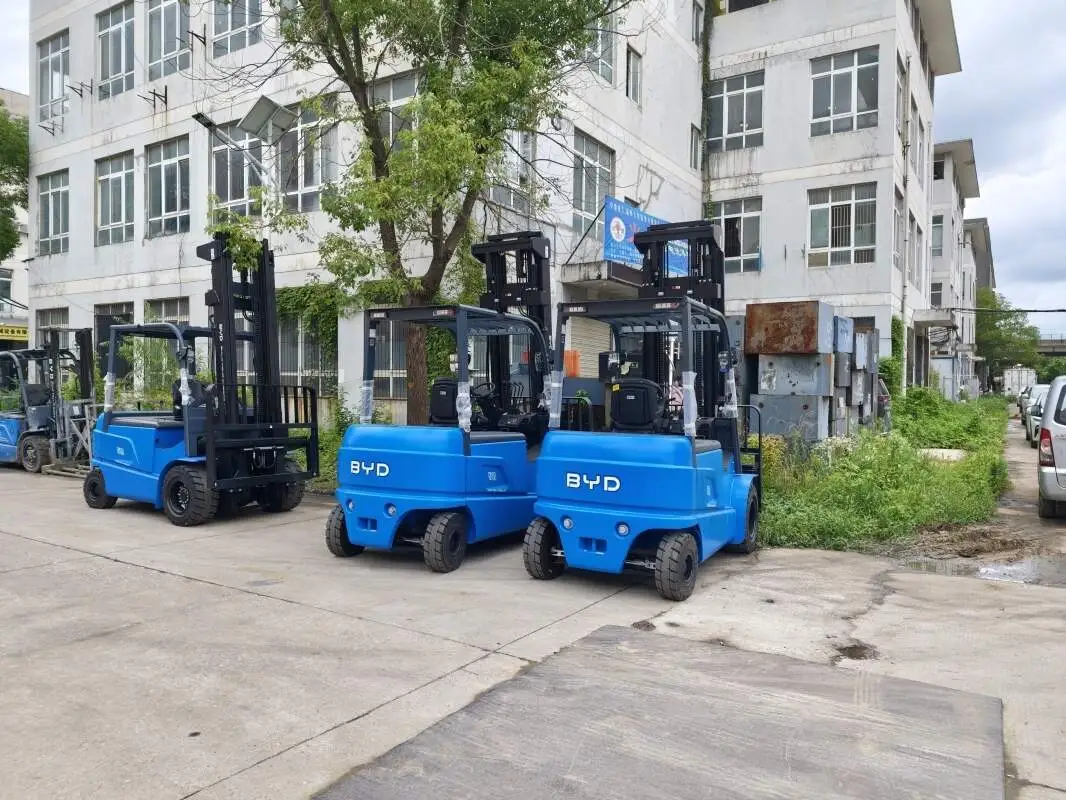
In modern warehousing logistics and production operation scenarios, electric forklifts are the core equipment to improve the efficiency of cargo handling. When introducing such equipment, enterprises often face the choice of short-term leasing and direct procurement. The cost difference between the two is a key factor affecting decision-making. The following will be a comparative analysis from multiple dimensions to help enterprises make choices that suit their own needs.
Initial input cost variance
Under the procurement model, the enterprise needs to bear the full purchase cost of the equipment, covering the equipment itself, supporting charging facilities, etc. The initial capital expenditure is relatively high, which will occupy a large amount of working capital. For small and medium-sized micro enterprises with tight capital turnover, the financial pressure is more obvious. In the short-term lease model, there is no need to pay the full amount of equipment, only a small deposit and the first rent are required, and the initial capital burden is greatly reduced. The enterprise can invest the remaining funds in the core business operation.
Operation and maintenance versus wear and tear costs
After purchasing the equipment, the enterprise needs to bear the cost of daily maintenance, replacement of parts, battery loss, etc., and also needs to be equipped with special operation and maintenance personnel or entrust third-party services. The long-term cumulative cost should not be underestimated. Especially when the equipment is used frequently, the wear and tear speed is accelerated, and the operation and maintenance cost will further rise. Under the short-term lease mode, the operation and maintenance of the equipment, fault repair and battery loss costs are usually borne by the lessor. The enterprise does not need to invest additional manpower and funds in equipment maintenance, but only needs to pay the rent as agreed, which effectively reduces the long-term operation and maintenance risk.
The hidden cost of flexible adaptation
If an enterprise only needs a forklift during a specific period, such as stocking up during peak season, temporary projects, etc., it still needs to bear the cost of depreciation and storage during the idle period after purchasing the equipment, resulting in a waste of resources. And the equipment update iteration is fast, and the purchased equipment may be technically backward in a short period of time, and the replacement cost is high. Short-term leases can be adjusted according to actual needs. Equipment can be added during peak season, and returned in time during off-season to avoid idle costs. At the same time, the lessor will update the equipment regularly, and the enterprise can use the model with better performance at any time without taking the risk of equipment devaluation and outdated technology.
Overall, short-term leasing is more suitable for enterprises with temporary needs, high financial pressure or the pursuit of flexible operation; procurement is suitable for enterprises with long-term stable use, sufficient funds and fixed operation and maintenance capabilities. Enterprises should consider factors such as business scale, capital status, and service cycle, weigh the cost and value of the two, and make a reasonable decision.


