
 简体中文
简体中文 繁体中文
繁体中文 Deutsch
 日本語
日本語 한국어
한국어 Tiếng Việt
 Русский
 ไทย
ไทย Bahasa Indonesia
 Bahasa Melayu
 Filipino
 لالعربية
 Français

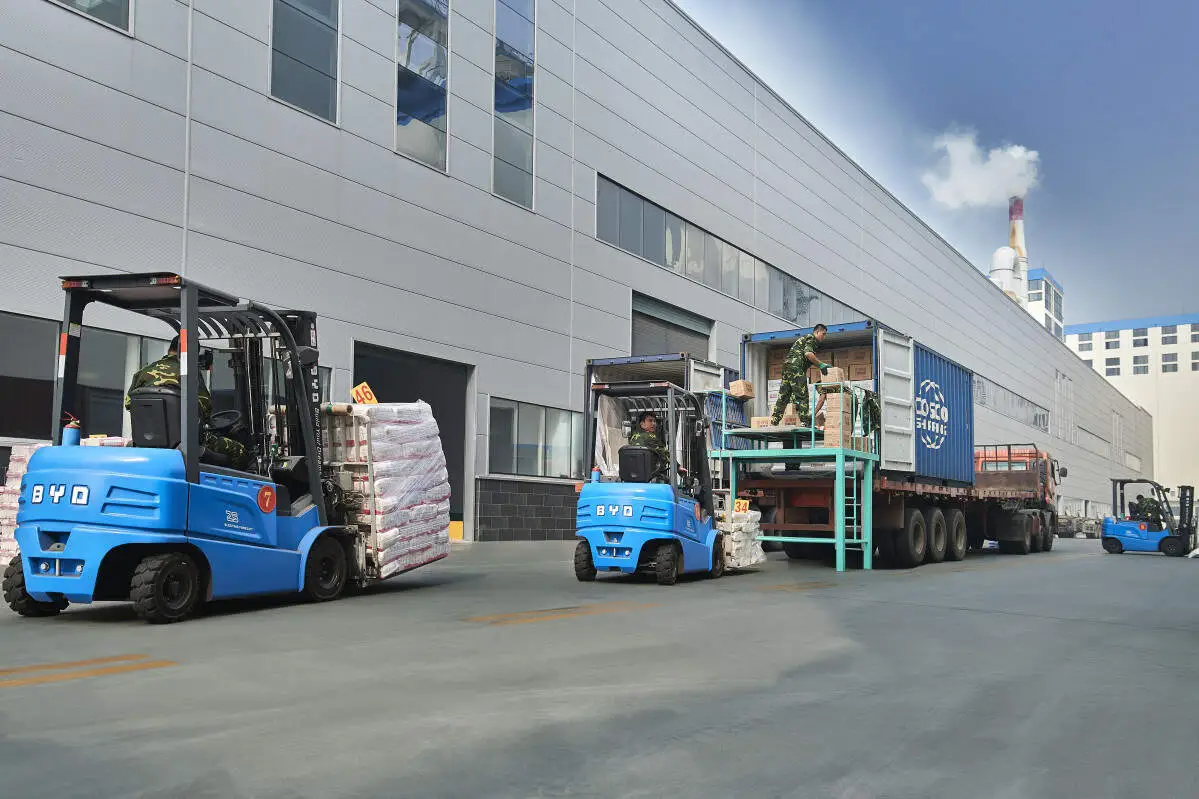
As an expert who has been deeply involved in the electric forklift industry for many years, I often receive inquiries from users about the energy options of 5-ton electric forklifts. Today, I will comprehensively sort out the differences between the two from several practical dimensions for the reference of friends in need.
Energy system differences
Different energy carriers
The 5-ton lithium battery forklift uses lithium batteries as the core energy carrier, while the lead-acid electric forklift uses lead-acid batteries. Lithium batteries generally have higher energy density, smaller and lighter weight under the same capacity; lead-acid batteries have relatively low energy density, and the overall battery pack will be larger in size and weight.
Charge and discharge characteristics are different
In terms of charging time, lithium batteries usually support fast charging, and most of the power can be replenished within a few hours in most cases, while lead-acid batteries have a long charging time and generally need to be fully charged overnight. In terms of discharge, the discharge platform of lithium batteries is relatively stable, and the power output fluctuates less before the power decays to a certain extent; the discharge platform of lead-acid batteries is relatively fluctuating, and the power drops to the middle and late stages, and the power may be significantly weakened.
usage scenario adaptation
Space and working hours are different
For scenarios where the site space is limited, or long continuous operation time is required, and quick replenishment is required after a single operation, the lithium battery vehicle is relatively more suitable. In scenarios where the operation time is relatively fixed, there is sufficient charging rest time, and the site space is not high, the lead-acid battery vehicle can also meet the needs of use.
Environmental adaptability
In a low temperature environment, the performance of both batteries will decline, but some types of lithium batteries are relatively less affected by low temperatures. In high temperature or high humidity environments, both need to take corresponding protective measures to ensure battery life and operation safety.


