
 简体中文
简体中文 繁体中文
繁体中文 Deutsch
 日本語
日本語 한국어
한국어 Tiếng Việt
 Русский
 ไทย
ไทย Bahasa Indonesia
 Bahasa Melayu
 Filipino
 لالعربية
 Français

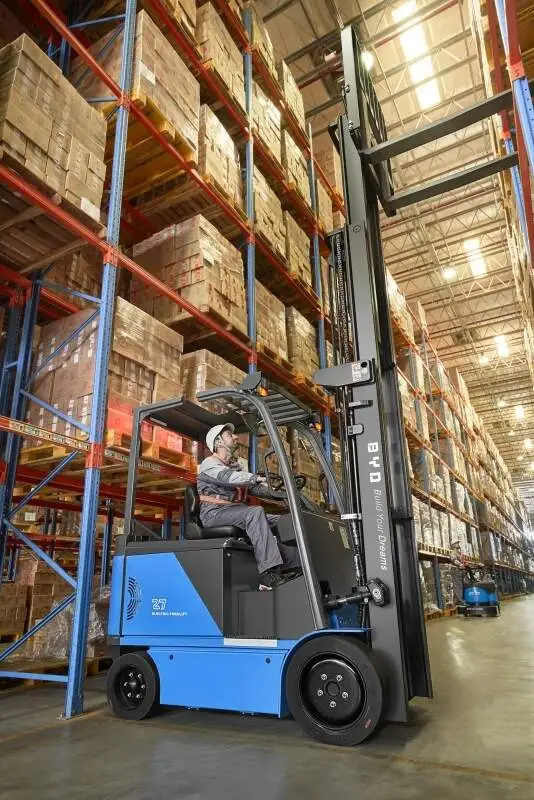
In petrochemical, warehousing and logistics and other flammable and explosive operation scenarios, explosion-proof forklifts are the core equipment to ensure the safety of material handling. At present, the mainstream explosion-proof forklifts are divided into two categories: explosion-proof lithium battery forklifts and lead-acid explosion-proof forklifts. The cost of use is the core consideration for enterprises to purchase. The following is a multi-dimensional comparison of the cost of use of the two.
In terms of initial purchase cost, the price of lead-acid explosion-proof forklifts is relatively lower, because the manufacturing cost of lead-acid batteries is lower than that of lithium batteries, the battery accounts for a large proportion of the forklift cost, and the entry threshold is low, which is suitable for enterprises with limited budgets and short-term use. However, explosion-proof lithium forklifts have higher initial purchase prices due to the high technical content and manufacturing cost of lithium batteries.
The difference in daily operating costs is mainly in charging efficiency and energy consumption. Lead-acid explosion-proof forklifts take 8 to 10 hours to charge and need to be left standing, which affects the working time; explosion-proof lithium-battery forklifts support fast charging and can be charged in 1 to 2 hours, which can be used at any time to improve the operation turnover rate. In terms of energy consumption, lithium batteries have a higher energy conversion rate and lower electricity bills under the same battery life; lead-acid batteries have a large self-weight, which increases the energy consumption of forklifts and increases operating costs.
The cost of maintenance is an important expenditure for long-term use. The battery of lead-acid explosion-proof forklift needs to be checked regularly, distilled water is replenished, the maintenance frequency is high, professional personnel are required, labor and material costs are high, and the battery life is only 2 to 3 years, and the replacement cost is high. The battery of explosion-proof lithium battery forklift has no electrolyte, no routine electrolyte maintenance is required, daily cleaning and line inspection are only required, and the maintenance is simple and low cost; the battery life can reach 5 to 8 years, reducing the replacement frequency and cost.
From the perspective of the whole life cycle, the initial cost of explosion-proof lithium-ion forklifts is high, but the operation and maintenance costs are low, and the long-term total cost is lower. It is suitable for enterprises with high work intensity and long-term use. When purchasing, enterprises need to consider the operation scenario, budget and service cycle comprehensively to choose an explosion-proof forklift that suits their own needs.


