
 简体中文
简体中文 繁体中文
繁体中文 Deutsch
 日本語
日本語 한국어
한국어 Tiếng Việt
 Русский
 ไทย
ไทย Bahasa Indonesia
 Bahasa Melayu
 Filipino
 لالعربية
 Français

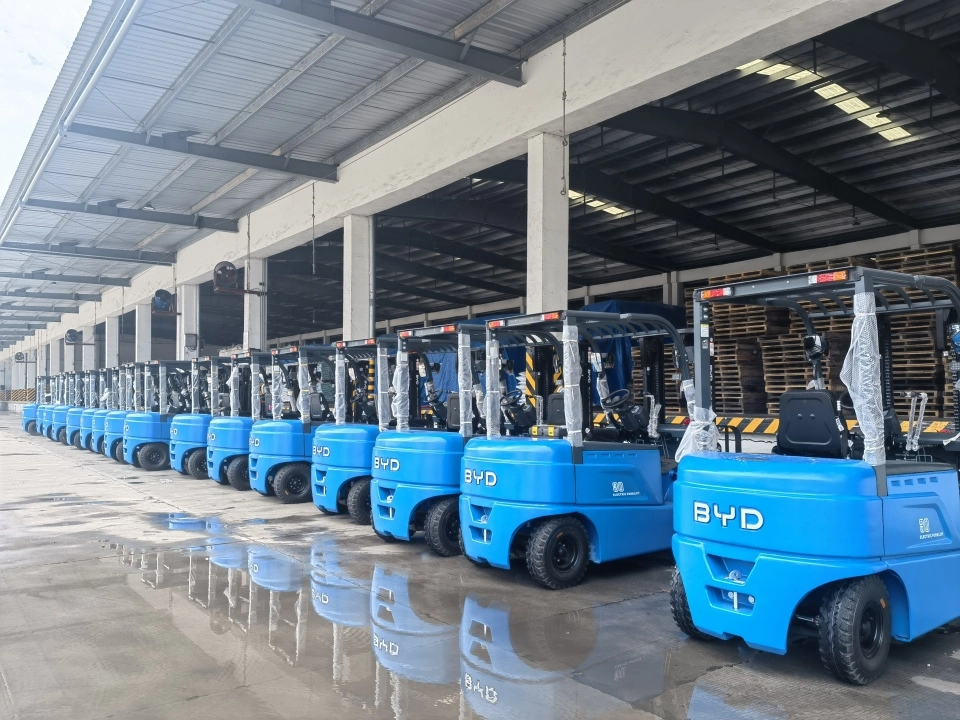
When enterprises choose warehousing and logistics handling equipment, operating costs are an important consideration. We can objectively compare the operation of these two types of forklifts from common dimensions such as energy consumption, daily maintenance, and equipment depreciation.
First look at the energy consumption part. The energy source of a fuel forklift is diesel or gasoline, and the cost is greatly affected by fluctuations in the fuel market price. Generally speaking, under the same load tonnage, the energy consumption per hour of a fuel forklift will be higher than the electricity consumption of a lithium-ion forklift. However, the specific amount of electricity bills will also vary depending on the time period difference of industrial electricity prices in various places and the difference in peak and valley electricity price policies. If companies can make reasonable use of the valley electricity period to charge, the advantage of energy costs will be more obvious.
The next step is daily maintenance. Fuel forklifts have engine, transmission, fuel system, exhaust system and other components. The structure of these components is relatively complex. It is necessary to regularly change the oil, machine filter, air filter, firewood filter or steam filter. It is also necessary to clean the fuel line and check the exhaust system. The frequency of maintenance is higher, and the single cost and the total annual cost are usually higher. The power source of lithium electric forklifts is lithium battery packs. There is no complex fuel and exhaust system. The structure of the motor and electronic control system is relatively simple. The daily maintenance is mainly to clean the appearance of the vehicle, check the tires, fasten the connectors, and check the appearance and cable status of the battery pack. The frequency of maintenance is low, and the single cost and the total annual cost will be lower.
In terms of equipment depreciation, the depreciation period of these two types of forklifts is usually determined by the enterprise according to its own situation and relevant regulations, but the battery pack of a lithium-ion forklift is a core component and may have a separate depreciation or replacement cycle consideration. However, the battery pack life in different use scenarios also varies, and cannot be generalized.
Overall, the operating costs of the two types of forklifts have their own characteristics, and enterprises should make a comprehensive assessment based on their actual conditions such as frequency of use, working environment, and energy conditions.


