
 简体中文
简体中文 繁体中文
繁体中文 Deutsch
 日本語
日本語 한국어
한국어 Tiếng Việt
 Русский
 ไทย
ไทย Bahasa Indonesia
 Bahasa Melayu
 Filipino
 لالعربية
 Français

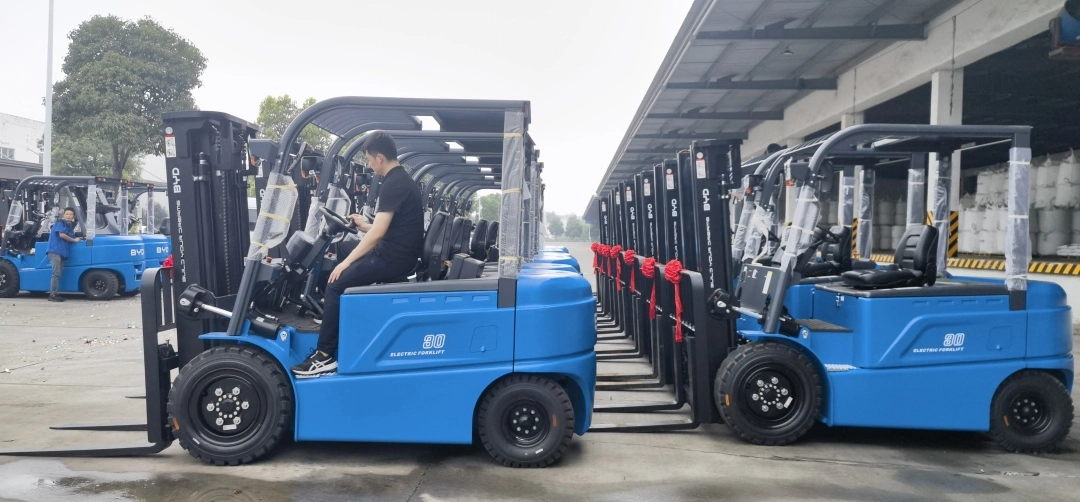
With the rapid development of logistics and warehousing industries, domestic electric forklifts are widely used due to their environmentally friendly and efficient characteristics. Understanding the reference of their service life and the key points of material selection of regular manufacturers will help users plan the use and purchase of equipment rationally.
Domestic electric forklift service life reference
Key factors affecting the lifespan
The service life of an electric forklift is affected by many factors, among which the battery is one of the key components. Under normal use scenarios, if properly maintained, the cycle life of the battery can reach a certain number of times, corresponding to the service life of the whole machine will vary. In addition, the wear and tear of the core transmission components, hydraulic system, etc. of the forklift will also directly affect the service life of the whole machine. At the same time, differences in the use environment, such as whether it is operated in a high temperature, humid or dusty environment, will also affect the aging speed of each component of the equipment.
reasonable service life range
Under the premise of standardized operation and regular maintenance, the reference service life of domestic electric forklifts is usually within a few years. There are differences in the life of different components, such as batteries may need to be replaced after a certain number of years of use, and if the core structural components are well selected and maintained in place, the service life can be appropriately extended. Users can reasonably anticipate the life of forklifts according to their own use intensity and maintenance.
Main points of material selection for regular manufacturers
Battery material selection standard
When choosing an electric forklift battery, a regular manufacturer will give priority to products that meet industry standards to ensure that the battery's capacity stability and cycle life meet standards. At the same time, according to the rated load of the forklift and the usage scenario, the suitable battery type will be matched to avoid accelerated loss caused by the mismatch between the battery and the whole machine.
Selection of core structural components
For the forklift frame, fork and other core structural components, regular manufacturers will choose steel that meets the strength requirements and go through strict processing and testing processes to ensure the durability and safety of the structure. The components of the transmission system will be made of wear-resistant and fatigue-resistant materials to reduce the rate of wear and tear during long-term operation.
Electronic control system and detail parts selection
The electronic control system is the control core of the electric forklift. Regular manufacturers will choose electronic control components with strong stability to ensure the accuracy and reliability of the forklift operation. In addition, tires, seals and other detailed components will also choose suitable high-quality materials to improve the sealing and anti-skid performance of the whole machine and reduce the impact of small component failures on the overall service life.


