
 简体中文
简体中文 繁体中文
繁体中文 Deutsch
 日本語
日本語 한국어
한국어 Tiếng Việt
 Русский
 ไทย
ไทย Bahasa Indonesia
 Bahasa Melayu
 Filipino
 لالعربية
 Français

The Transformation Direction of Factory Forklifts Driven by the Double Carbon Policy
New Requirements of Double Carbon Target for Logistics Equipment in Factory Area
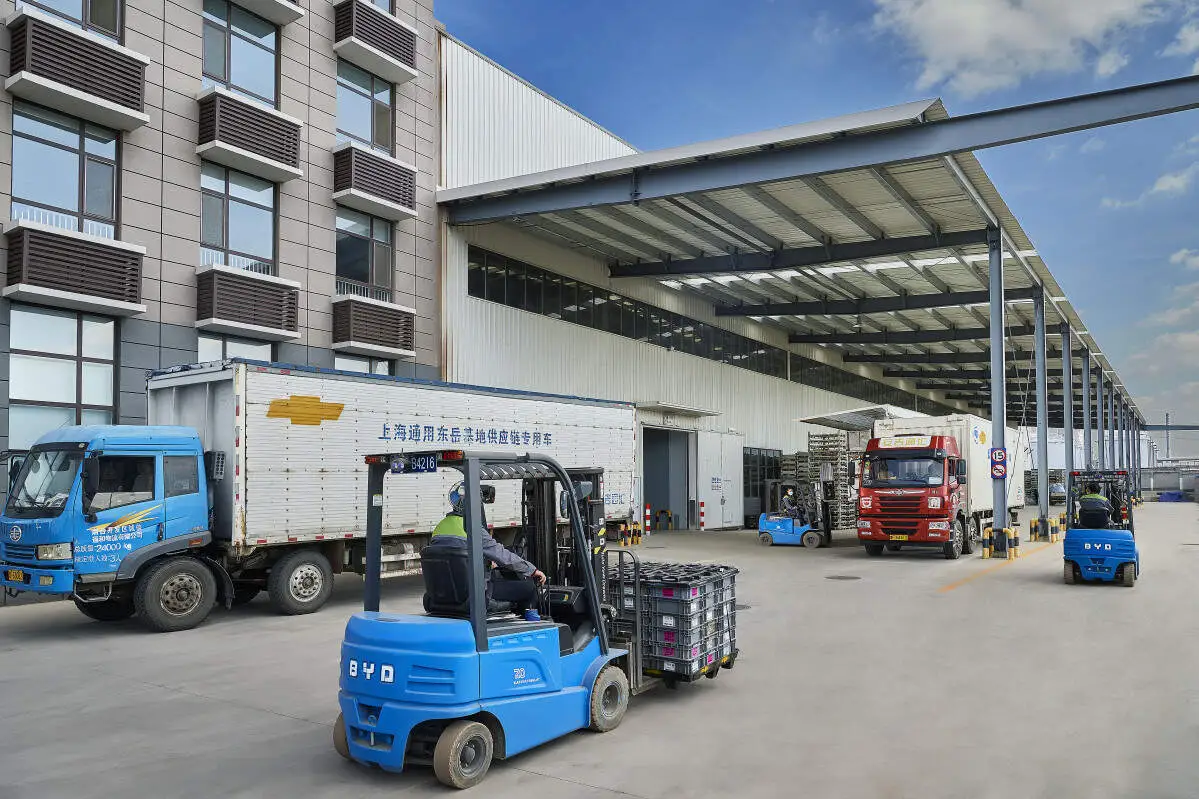
At present, the dual-carbon policy has become the core guide for green development in the industrial field. As the core scenario of industrial production and logistics turnover, the carbon emission level of logistics equipment in the factory area is subject to key supervision. Traditional fuel forklifts will produce a large amount of exhaust gas during operation, which not only increases the total carbon emissions in the factory area, but also may affect the air quality in the factory area. In this context, the use of electric forklifts that meet green standards in compliance has become an inevitable choice for the factory to implement the dual-carbon requirements and complete the emission reduction targets.
Compliance with the core value of using electric forklifts
Environmental reduction value
Electric forklifts use electricity as a power source and have no exhaust emissions during operation, which can directly reduce the total carbon emissions in the factory area. For factories with high daily usage frequency, the compliance use of electric forklifts can effectively reduce the carbon emissions in the unit logistics turnover link, help enterprises to steadily promote carbon emission reduction work, in line with the green development orientation under the dual carbon policy, and can also improve the working environment within the factory area.
Operating cost optimization value
From a long-term operation perspective, compliance with the use of standard electric forklifts has cost advantages. The procurement cost of electric energy is generally lower than the cost of fuel, and the structure of electric forklifts is relatively simple. There are fewer and less frequent daily maintenance items, which can effectively reduce the human and material investment in equipment operation and maintenance. In addition, some regions have introduced subsidy support policies for green logistics equipment. Enterprises using electric forklifts in compliance can apply for relevant discounts to further reduce operating costs.
Compliance risk aversion value
With the continuous improvement of the dual-carbon supervision system, various places have formulated clear compliance requirements for the carbon emissions of industrial logistics equipment. If the factory continues to use fuel forklifts that do not meet the emission reduction standards, it may face risks such as regulatory penalties and insufficient carbon quotas. The use of electric forklifts in compliance can ensure that the logistics equipment of the enterprise meets the policy requirements, avoid potential compliance risks, ensure the stable development of logistics operations in the factory area, and maintain the compliance business image of the enterprise.
Adapt to long-term development needs
The use of electric forklifts in compliance is a key measure for enterprises to layout green logistics, which can enhance their green competitiveness in supply chain cooperation and market competition. At present, more and more upstream and downstream enterprises regard green compliance as an important consideration for cooperation. The implementation of the compliance use of electric forklifts by enterprises will help to obtain more cooperation opportunities, and at the same time, it can better adapt to the development trend of green transformation in the industrial field in the future, and lay a solid foundation for the long-term sustainable development of enterprises.


