
 简体中文
简体中文 繁体中文
繁体中文 Deutsch
 日本語
日本語 한국어
한국어 Tiếng Việt
 Русский
 ไทย
ไทย Bahasa Indonesia
 Bahasa Melayu
 Filipino
 لالعربية
 Français

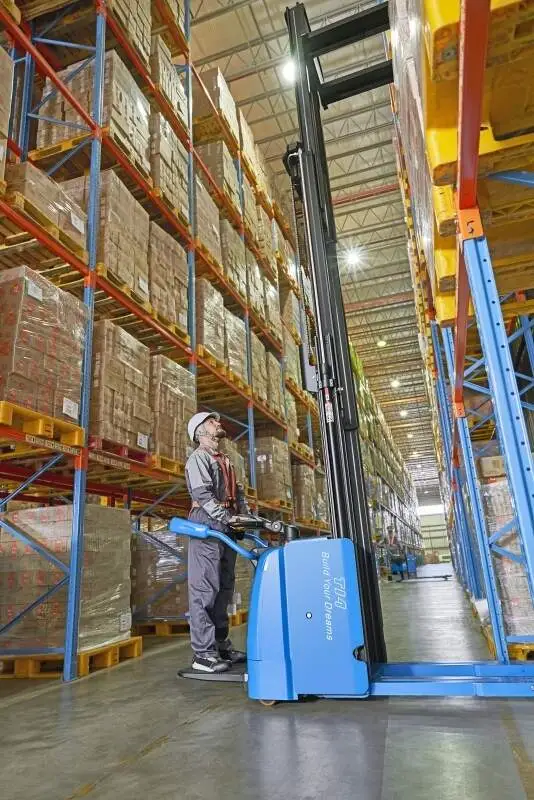
The explosion-proof testing of the whole machine of the dust explosion-proof lithium forklift is a key link to ensure its safe operation in the dust environment. It is necessary to strictly follow the standardized process to ensure that the equipment meets the explosion-proof safety standards.
Pre-test preparation is the basis for ensuring the smooth development of the test. First of all, it is necessary to collect the basic information of the equipment, including the explosion-proof design plan of the equipment, the material description of the parts, the factory inspection report, etc., so that the inspectors can understand the explosion-proof configuration and technical parameters of the equipment. At the same time, it is necessary to prepare testing tools that meet the standards, such as explosion-proof multimeters, insulation testers, etc., to ensure the accuracy and reliability of the test data. In addition, it is necessary to clean up the test site, remove irrelevant debris, and simulate the dust environment conditions of the actual operation of the equipment to create a safe and compliant environment for on-site
The on-site inspection process is the core of the whole process, and the inspection work needs to be carried out from multiple dimensions. First, the appearance and structure inspection is carried out, focusing on the integrity of the equipment shell, explosion-proof door, seal and other components to confirm that there is no damage, deformation or loosening, and to ensure that dust cannot invade the inside of the equipment. At the same time, check the clarity and standardization of the explosion-proof logo to ensure that the logo meets the relevant standard requirements.
Secondly, carry out the inspection of the electrical system, which is the key content of the explosion-proof inspection. The inspectors need to test the circuit insulation performance of the equipment to ensure that the insulation resistance meets the safety standards and avoid sparks caused by short circuits. At the same time, check the tightness of the explosion-proof junction box, cable introduction device and other components to confirm that the seal is tight to prevent dust from entering the electrical cavity and causing safety hazards. In addition, the function test of the explosion-proof protection device of the lithium battery system is also required to ensure that the overvoltage and overcurrent protection mechanism can be started normally.
Finally, the performance simulation test is carried out to test whether the explosion-proof function of the equipment is normal by simulating the operating state of the equipment in the dust environment. The inspectors will let the equipment complete the routine operations such as starting, driving, loading and unloading in the simulated dust environment, observe whether the equipment has abnormal conditions such as sparks and overheating, and verify the explosion-proof reliability of the equipment under actual working conditions.
After the test is completed, the test data needs to be sorted out and analyzed to determine the explosion-proof compliance of the equipment in combination with relevant standards. If the test results meet the requirements, a formal explosion-proof test report will be issued to clarify the test conclusion and compliance of the equipment; if there are non-conformities, the problem needs to be reported to the relevant parties, and the rectification will be guided to re-test until the equipment meets the explosion-proof safety standards.


