
 简体中文
简体中文 繁体中文
繁体中文 Deutsch
 日本語
日本語 한국어
한국어 Tiếng Việt
 Русский
 ไทย
ไทย Bahasa Indonesia
 Bahasa Melayu
 Filipino
 لالعربية
 Français

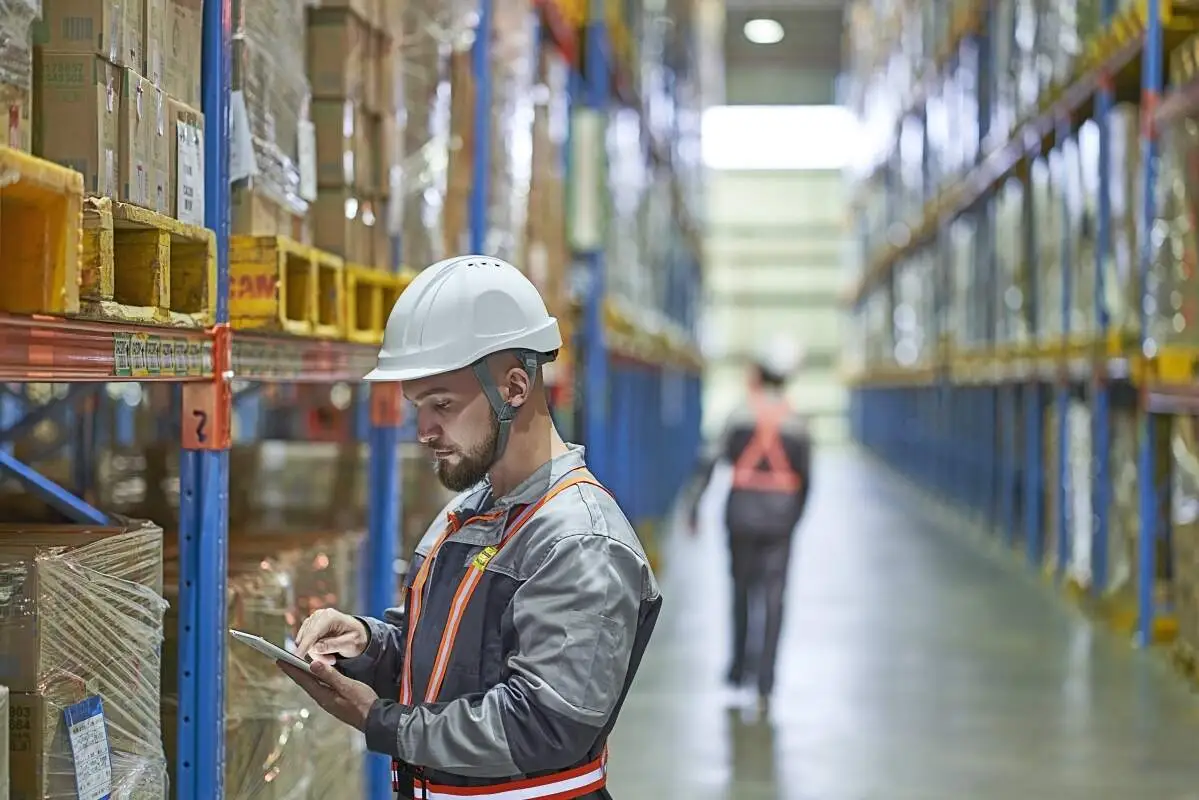
Many enterprises engaged in logistics, warehousing and manufacturing often face the financial difficulties of purchasing electric forklifts when expanding the scale of operations or updating equipment. Paying a large amount of equipment at one time will not only occupy a large amount of working capital of the enterprise, but also may affect the normal development of core businesses such as daily operations and raw material procurement. At this time, the installment plan of electric forklift financing lease has become a practical choice for many enterprises, which can effectively relieve financial pressure and balance equipment demand and cash flow management.
The Core Advantages of Electric Forklift Financial Leasing Staging Scheme
Diversify capital investment and preserve operating cash flow
Unlike a one-time purchase, the installment plan of financial leasing spreads the cost of equipment procurement to multiple payment cycles. The company does not need to pay the full amount of funds at one time, but only needs to pay the rent on time to obtain the right to use the equipment. This model can help companies retain sufficient liquidity for core businesses such as daily production and market expansion, and avoid the shortage of capital chains caused by equipment procurement.
Optimize the financial structure and reduce costs reasonably
From a financial point of view, the rent of the finance lease can be included in the operating cost of the enterprise, which can reduce the taxable income of the enterprise to a certain extent and reduce the tax burden. At the same time, this model does not need to include equipment in fixed assets and does not increase the asset-liability ratio of the enterprise. It helps to maintain a good financial statement performance and facilitates subsequent financing or loans.
Common installment models of electric forklift financing leasing
Direct lease installment model
The direct lease model is a relatively basic financial leasing method. The leasing company purchases the designated type of electric forklift according to the needs of the enterprise, and then leases the equipment to the enterprise for use. The enterprise pays the rent in installments according to the agreed period and amount. After the lease period ends, it can choose to purchase the equipment, renew the lease or return the equipment according to its own needs, which is more flexible.
After-sales leaseback installment model
The sale and leaseback model is suitable for companies that already own electric forklifts but face tight cash flow. The company sells its own equipment to the leasing company, and then leases back the equipment from the leasing company to continue to use it, obtaining a one-time working capital, while retaining the right to use the equipment by paying the rent in installments. This model can quickly revitalize fixed assets and relieve short-term financial pressure.
Flexible customized lease plan
Some leasing agencies will provide flexible lease term and rent adjustment plans according to the operating characteristics of the enterprise. For example, for enterprises operating seasonally, a model of increasing the rent payment amount in the peak season and reducing the payment in the off-season can be set to better match the company's cash flow fluctuations and avoid the financial pressure caused by fixed payments.
Considerations for choosing a staging plan
Combine your own cash flow planning and matching plan
Before choosing an installment plan, an enterprise needs to comprehensively evaluate its cash flow situation, including monthly revenue, expenditure, and future funding needs, and choose a plan that matches the lease period and rental amount with its own cash flow to avoid the funding gap caused by rent payment.
Verify lease terms and avoid hidden costs
Before signing a lease agreement, enterprises need to read the terms carefully, clarify the details of the rent structure, the default liability for late payment, and the responsibility for equipment maintenance, etc., to avoid hidden costs that are not clearly stated, and ensure the transparency and rationality of the plan.
Clarify the follow-up disposal method of the equipment
The disposal of equipment after the end of the lease period is an important consideration. Enterprises need to communicate with the leasing company in advance to clarify the specific process and cost of purchasing, renewing or returning equipment, and make appropriate choices according to their own long-term operation plan.
For enterprises with electric forklift procurement needs, the financial leasing installment plan is a flexible tool that takes into account equipment acquisition and fund management. By reasonably choosing the plan that suits them, it can not only quickly put equipment into operation to improve efficiency, but also effectively relieve the financial pressure caused by one-time procurement, providing strong support for the stable development of enterprises.


