
 简体中文
简体中文 繁体中文
繁体中文 Deutsch
 日本語
日本語 한국어
한국어 Tiếng Việt
 Русский
 ไทย
ไทย Bahasa Indonesia
 Bahasa Melayu
 Filipino
 لالعربية
 Français

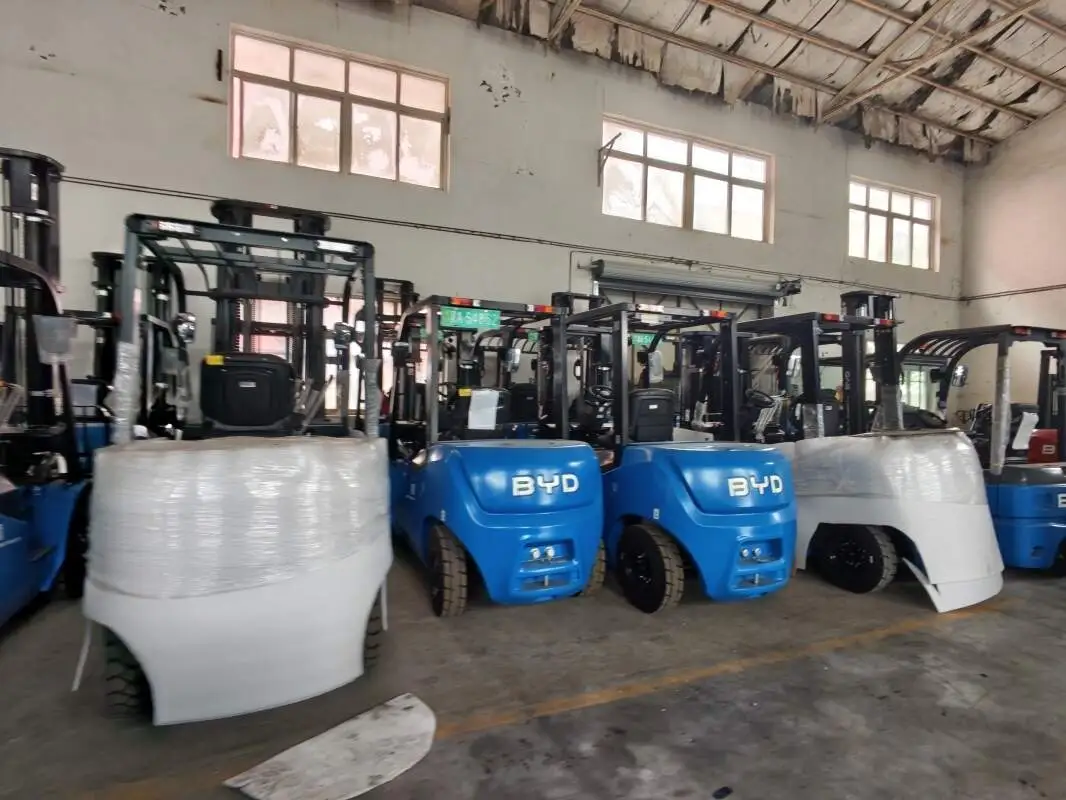
For enterprises with material handling requirements, the cost and adaptability of electric forklifts are the core factors to consider. The three models of short-term, long-term, and financial leasing have their own focuses, which can match different enterprise vehicle scenarios.
Temporary emergency scenarios choose short-term rental
The short-term rental model of electric forklifts focuses on flexibility. The lease period usually ranges from a few days to a few months, and the company does not need to bear the daily maintenance, maintenance and depreciation costs of the equipment. This model is suitable for enterprises with temporary vehicle needs, such as warehousing and replenishment during the e-commerce promotion period, material transfer during short-term project construction, or emergency replacement when the company's own forklift fails. For small, medium and micro enterprises or enterprises with large business fluctuations, short-term rental can not only meet the phased demand, but also avoid the waste of resources caused by long-term idleness and effectively control the single handling cost.
Stable long-term demand and long-term lease
If the enterprise has continuous and stable material handling needs, such as daily raw material transportation in production plants and regular cargo turnover in large storage centers, long-term leasing of electric forklifts will be a more suitable choice. The lease period of long-term leases is generally more than one year, and the leasing party usually provides supporting services such as regular maintenance and fault repair. The enterprise does not need additional operation and maintenance personnel. Compared with direct purchase, long-term leasing can reduce the initial capital investment, and at the same time adjust the number of leases according to the business scale, adapt to the vehicle demand of the enterprise in the stable development stage, and balance cost and efficiency.
Limited funds and long-term use of financial leases
The financial leasing model is more biased towards "leasing and purchasing". The company only needs to pay a certain percentage of the down payment to obtain the long-term use right of the electric forklift. After the lease period, it can also choose to buy out the equipment to obtain ownership. This model is suitable for growth enterprises with long-term demand for vehicles but tight cash flow, such as manufacturing enterprises in the expansion stage and newly built logistics parks. Financial leasing can relieve the initial financial pressure of enterprises, allocate equipment costs to the lease period, and at the same time enjoy the productivity improvement brought by the equipment, which is suitable for the long-term development of the enterprise's strategic planning.
When choosing the use mode of electric forklifts, enterprises need to consider factors such as their own financial situation, vehicle cycle, and demand stability in order to find the most suitable solution for their own development and achieve cost optimization and efficiency improvement in material handling.


