
 简体中文
简体中文 繁体中文
繁体中文 Deutsch
 日本語
日本語 한국어
한국어 Tiếng Việt
 Русский
 ไทย
ไทย Bahasa Indonesia
 Bahasa Melayu
 Filipino
 لالعربية
 Français

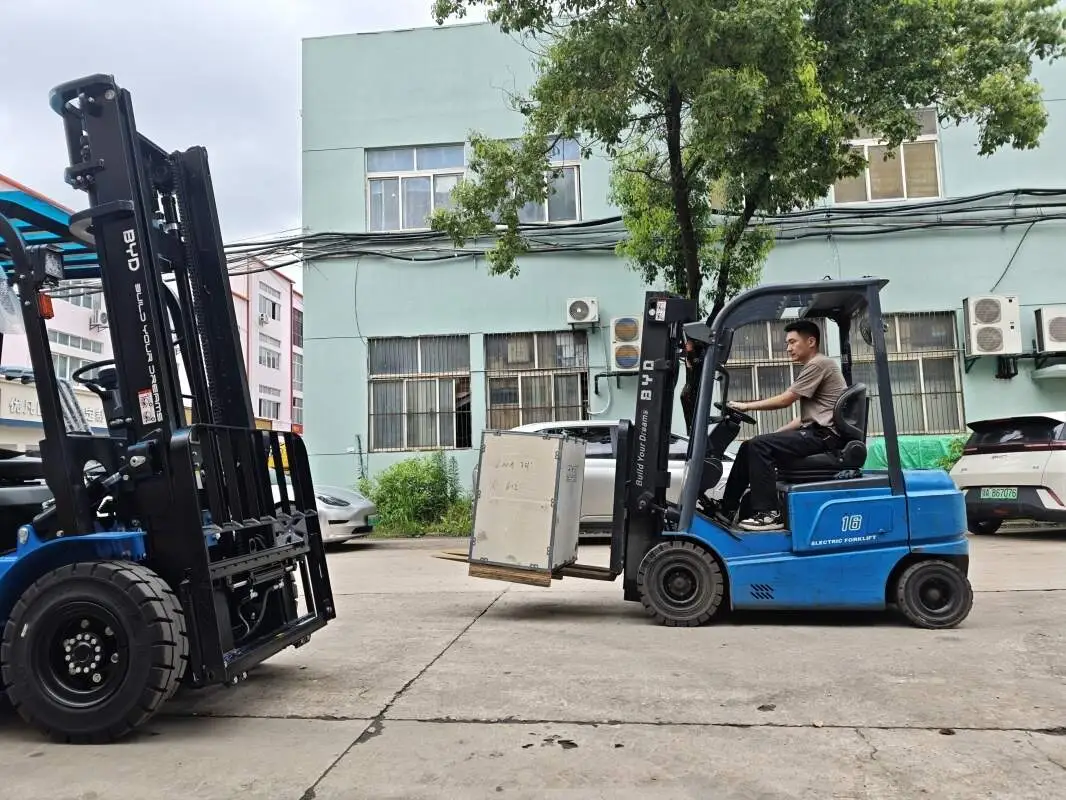
After replacing electric forklifts, many factories still face the need for cost control, and rationally optimizing electricity bills and maintenance can effectively reduce long-term operating expenses.
Practical points for saving electricity bills
Rational planning of charging time is a key part of controlling electricity bills. Most regions implement peak-to-valley time-sharing tariff policies. Factories can arrange the charging of electric forklifts in the valley section with lower electricity prices according to their own production schedules, avoiding peak electricity consumption periods, so as to reduce charging costs. At the same time, avoid long-term charging in high or low temperature environments, which will increase battery energy consumption and indirectly increase electricity costs.
Optimizing battery usage habits can also help save electricity bills. In daily use, try to avoid excessive discharge of the electric forklift battery. Start the charging process in time when the power is about 20% remaining, which can prolong the battery life and reduce frequent charging and electricity waste caused by rapid battery loss. In addition, regularly charge the battery evenly to ensure that the power of each cell of the battery remains consistent, improve charging efficiency and reduce unnecessary power consumption.
Configuring smart charging equipment is an advanced measure for electricity cost optimization. Smart chargers with automatic power failure and power adjustment functions can automatically stop charging after the battery is fully charged to avoid power waste caused by overcharging; some devices can also adjust the charging power according to real-time electricity prices to further fit the peak and valley electricity price strategy and maximize electricity cost savings.
Maintenance cost savings practical points
Doing a good job in daily basic maintenance is the basis for reducing maintenance costs. Before daily use, conduct routine inspections of the tires, brake systems, and hydraulic systems of the electric forklift, and clean the dust and oil on the surface and inside of the forklift in a timely manner to avoid the accumulation of impurities and wear of components. Regularly check the firmness of the battery cable to prevent damage to components caused by poor contact and reduce subsequent maintenance expenses.
Formulating a reasonable component replacement strategy can effectively control maintenance costs. When components are worn out, distinguish between wearing parts and core components. For ordinary wearing parts, general accessories that meet specifications can be selected for replacement; for core components, suitable regular accessories are preferred to avoid greater failures caused by inferior components and additional maintenance costs. At the same time, according to the frequency of use and wear rules of components, stock commonly used wearing parts in advance to avoid premium expenses for temporary purchases.
Strengthening operator training is a long-term measure to reduce maintenance costs. Standardize the driving habits of operators and avoid rough operations such as sudden acceleration and sudden braking, which will accelerate the wear of tires, brakes and transmission parts and increase the frequency of maintenance. Regularly organize operators to learn the maintenance knowledge of electric forklifts, so that they can detect minor faults in time and deal with them simply in daily use, so as to avoid higher maintenance costs due to the expansion of faults.


