
 简体中文
简体中文 繁体中文
繁体中文 Deutsch
 日本語
日本語 한국어
한국어 Tiếng Việt
 Русский
 ไทย
ไทย Bahasa Indonesia
 Bahasa Melayu
 Filipino
 لالعربية
 Français

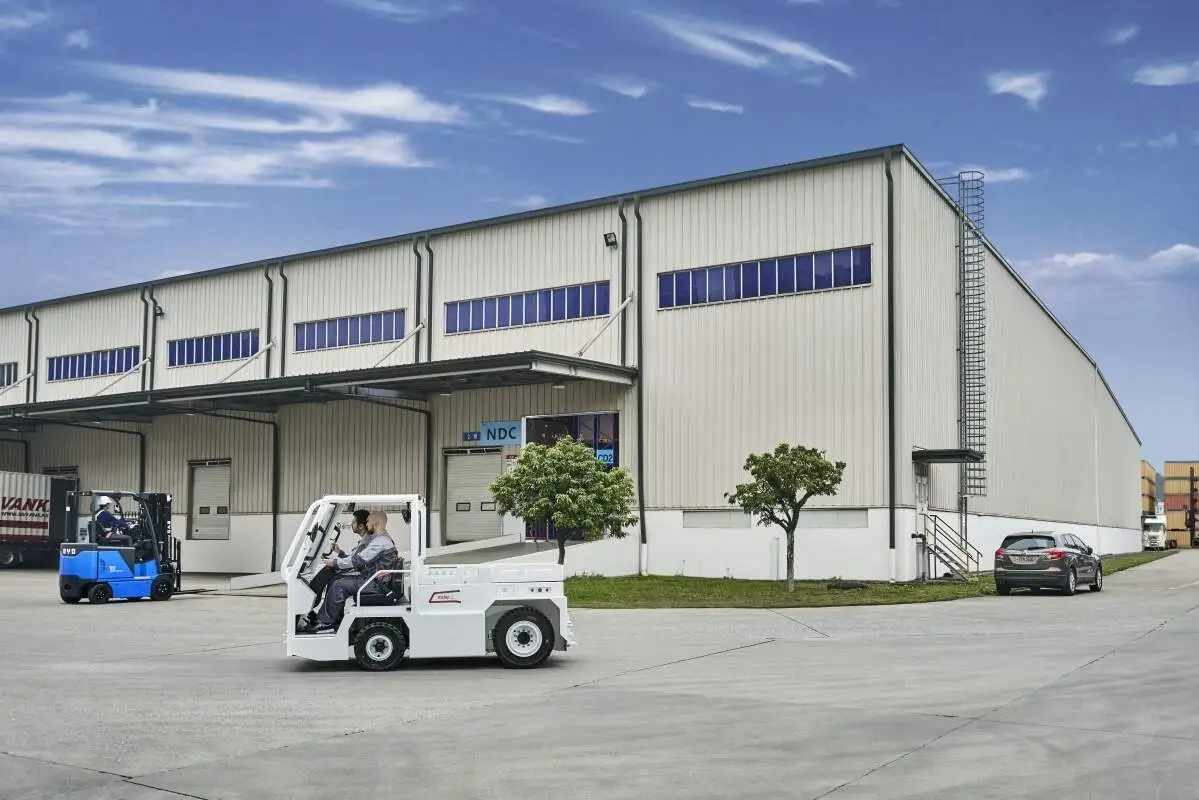
The food factory is one of the places with high requirements for the production environment, especially the closed or semi-closed indoor workshop, which needs to meet the core requirements of efficient material handling, quiet production process and hygienic conditions at the same time. The 1.5-ton handling equipment is just suitable for the common pallet specifications, shelf height and single handling weight of food factories. In this type of equipment, the low noise and no pollution characteristics of the 1.5-ton lithium electric forklift make it the choice for many food production enterprises for indoor operations.
First of all, let's talk about the pollution-free characteristics, which is the key to adapting to food factories. Most of the raw materials, work in progress, and finished products in food factories come into direct or indirect contact with food. The air quality of the production workshop, the cleanliness of the ground and equipment may affect the product quality and production license compliance. Fuel handling equipment produces fuel exhaust during operation. These exhaust gases contain a variety of pollutants, which are easy to adhere to the equipment surface, walls and ceilings in the workshop, and may even fall on exposed raw materials or finished products. At the same time, the daily maintenance of the engine and transmission system of fuel equipment needs to add oil and diesel, and liquid leakage may also occur during use. Once the oil pollution contaminates the floor of the workshop or the food contact point, it is time-consuming and may cause production to stop. The 1.5-ton lithium-ion forklift uses lithium-ion batteries as a power source, and there is no fuel exhaust emissions during operation, nor does it generate carbon deposits. Most of its battery packs, motors, and transmission systems are designed with closed or semi-closed structures, and daily maintenance does not require the replacement of oil, gear oil, and other liquids, which can also effectively reduce the risk of leakage. The shells of some equipment also use water-resistant, oil-resistant, and easy-to-wipe materials. When the workshop performs daily cleaning or flushing the ground, it can also simply clean the surface of the equipment to avoid dirt and dirt.
Next is the low noise characteristic, which can improve the efficiency of production collaboration and the work experience of employees. The indoor production process of food factories often requires multi-position collaboration, such as ingredients, packaging, quality inspection, and handling at the same time. If the noise of the handling equipment is too large, it will interfere with the normal communication between employees, and may also affect some noise-sensitive production links, increasing the probability of errors. Being in a high-noise environment for a long time may also cause employees to feel irritable and tired, affecting their working conditions. The power system of the 1.5-ton lithium-ion forklift does not have the knock sound of the fuel engine. The main noise during operation comes from the friction between the tire and the ground, a small amount of motor running sound, and the overall noise value is low, which can create a relatively quiet production environment for the workshop. Make communication between employees smoother and multi-position collaboration more efficient.
In addition to these two core advantages, the 1.5-ton lithium-ion forklift also has the characteristics of flexibility and compactness. Its body size is small, and the turning radius is relatively short. It can easily navigate through the narrow aisles and dense shelves of food factories to complete handling, stacking, and other operations.


