
 简体中文
简体中文 繁体中文
繁体中文 Deutsch
 日本語
日本語 한국어
한국어 Tiếng Việt
 Русский
 ไทย
ไทย Bahasa Indonesia
 Bahasa Melayu
 Filipino
 لالعربية
 Français

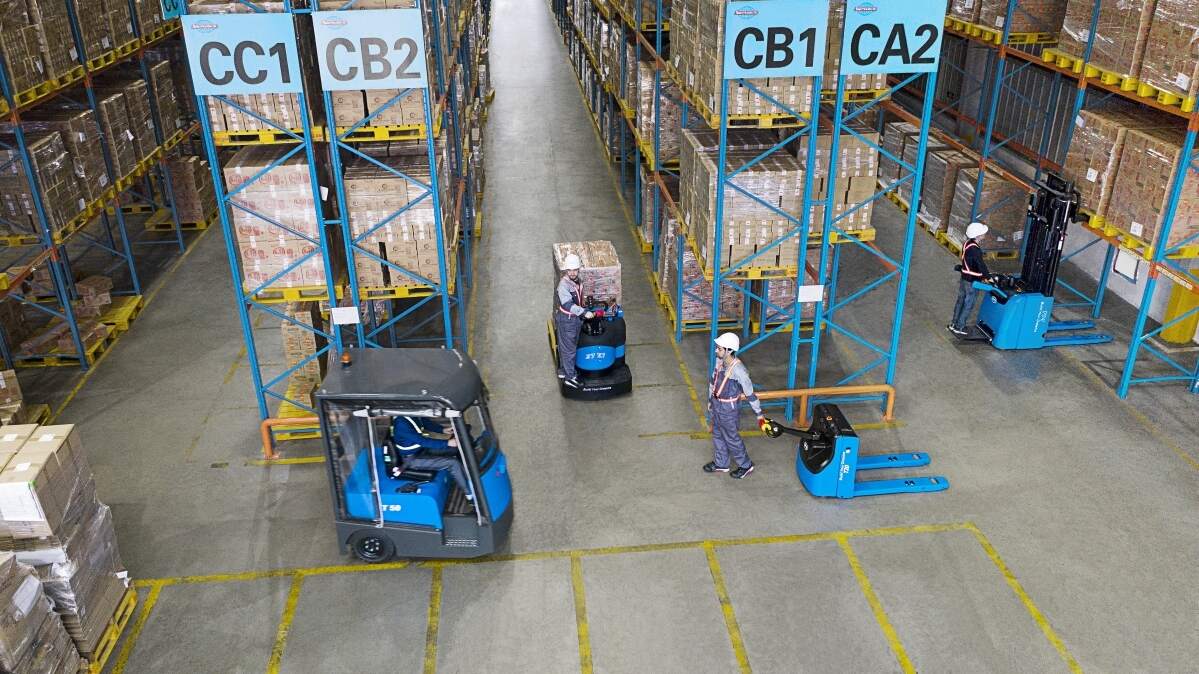
The impact of low temperature on lithium-ion forklift batteries cannot be ignored. When the temperature is below zero, the activity of lithium-ion battery cells will be greatly reduced, which will not only shorten the forklift's cruising range, but also accelerate battery decay, and even affect charging efficiency and operation safety. Therefore, it is crucial to choose the right cold protection configuration.
Priority should be given to the cold protection design of the battery body
When selecting a lithium forklift battery, it is necessary to pay attention to the low temperature adaptation performance of the battery cell, and give priority to products with low temperature resistant battery materials, which can maintain relatively stable chemical reactions in a sub-zero environment. At the same time, pay attention to the sealing and insulation structure of the battery shell. Good sealing design can reduce the intrusion of cold air and avoid the rapid drop of the battery temperature. Some batteries are also equipped with preheating components, which can automatically start in a low temperature environment and increase the battery temperature to a suitable working range.
Suitable for matching external thermal insulation device
In addition to the battery itself, the external thermal insulation device is also a key link in cold protection. You can choose a thermal insulation cover suitable for the battery compartment. This kind of cover is made of thermal insulation material, which can closely fit the battery compartment structure and reduce the heat loss of the battery. For extremely cold environments, it can also be matched with a battery heating blanket to cover the surface of the battery and maintain the battery temperature through low-power continuous heating. When installing, ensure that it fits tightly to avoid affecting the battery heat dissipation in non-low temperature environments.
Equipped with intelligent temperature control management system
The intelligent temperature control system can further improve the low temperature adaptability of the battery. The system can collect the internal and ambient temperature data of the battery in real time, and automatically start the heating or insulation mode when the temperature is lower than the set threshold. At the same time, the charging device with temperature control function can preheat the battery at low temperature and then start the charging process. This not only improves the charging efficiency, but also reduces the risk of battery damage. Some systems also have a temperature abnormality alarm function, which can remind the operator to deal with potential problems in time.
Supporting low temperature special maintenance equipment
In order to ensure the long-term stable operation of the battery in a low temperature environment, special maintenance equipment is also required, such as a low temperature special charging device, to avoid direct use of ordinary chargers for charging in a low temperature environment. At the same time, battery performance testing tools can be equipped to regularly monitor the battery's battery life, charging and discharging efficiency and other indicators at low temperatures, and adjust the cold protection configuration according to the test results to ensure that the battery is always in good condition.


