
 简体中文
简体中文 繁体中文
繁体中文 Deutsch
 日本語
日本語 한국어
한국어 Tiếng Việt
 Русский
 ไทย
ไทย Bahasa Indonesia
 Bahasa Melayu
 Filipino
 لالعربية
 Français

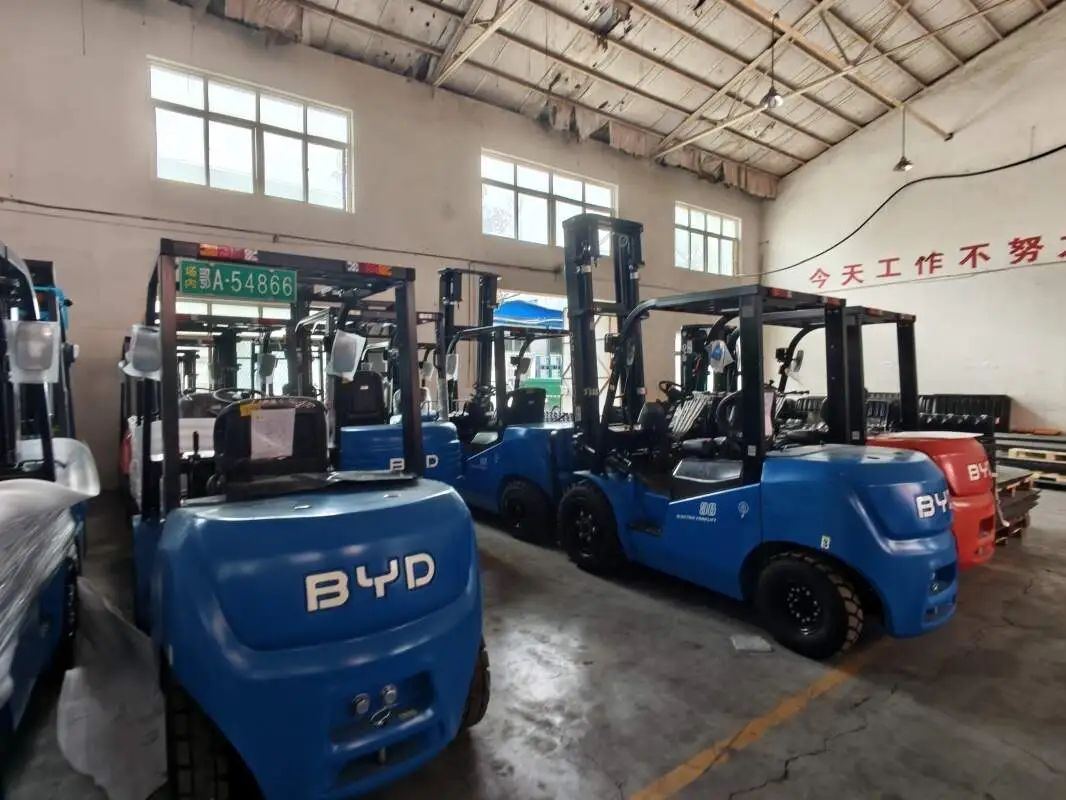
How to screen regular electric forklift manufacturers
Verify corporate qualification compliance
Before purchasing, it is necessary to focus on verifying the core qualifications of the manufacturer, including business licenses, production licenses and other statutory documents, to confirm that its business scope clearly includes the production and manufacture of electric forklifts, and to check the credit records of the enterprise through official publicity channels to ensure that there are no major violations of laws and regulations or dishonesty, and to ensure the compliance of cooperation from the source.
Examine production sites and capacity
Qualified purchasers can inspect the manufacturer's production site on the spot to check the degree of automation of the production line, the warehousing management of parts, and understand whether its actual production capacity can match their own procurement needs and delivery timeliness requirements. If the on-site inspection is not possible, the manufacturer can be required to provide the actual production site information and recent production data to assist in judging its capacity.
Pay attention to the product quality control system
Regular manufacturers will establish a complete quality control process, from parts procurement, production and assembly to finished products, each link has corresponding inspection standards. When purchasing, you can ask the manufacturer about the quality inspection process, such as whether there are parts performance tests, finished product load tests, battery life tests, etc., and understand the factory pass rate data of their products to evaluate product quality stability.
Understand after-sales services guarantee capabilities
The long-term use of electric forklifts is inseparable from reliable after-sales services. When purchasing, you need to understand the manufacturer's after-sales services network coverage, clarify the warranty period, fault response timeliness, and supply of wearing parts. Regular manufacturers usually provide comprehensive after-sales training and technical support to ensure that equipment problems can be solved in a timely manner and reduce the risk of subsequent use.
The advantages and analysis of direct selling procurement channels
The core advantages of direct selling procurement channels
The direct sales channel skips the intermediary agent link, and the purchaser directly connects with the manufacturer, which not only reduces cost loss and makes the price more transparent, but also directly feeds back the customization needs. Manufacturers can adjust the product configuration according to the actual scene, which is more suitable for the purchaser's use needs. At the same time, the communication efficiency of the direct sales channel is higher, and the latest information and technical support of the product can be obtained in a timely manner.
Identify regular direct sales procurement channels
If you want to find a formal direct sales channel, you can contact directly through the procurement entrance of the manufacturer's official website, or call the official headquarters contact number for consultation. Avoid using unofficial third-party platforms or personal docking to prevent middlemen from impersonating the manufacturer. In addition, you can ask the other party to provide the manufacturer's qualification certificate and relevant authorization documents to verify the authenticity of the channel.
Notes on Direct Selling Purchasing
In the process of direct sales procurement, it is necessary to sign a standardized purchase contract, clarify the core content such as product configuration, delivery time, warranty terms, payment method, etc., and keep all communication records and vouchers. When receiving the goods, carefully check the appearance, configuration and related materials of the product to ensure that it is consistent with the contract. If there is any problem, communicate and negotiate with the manufacturer in time to solve it.


