
 简体中文
简体中文 繁体中文
繁体中文 Deutsch
 日本語
日本語 한국어
한국어 Tiếng Việt
 Русский
 ไทย
ไทย Bahasa Indonesia
 Bahasa Melayu
 Filipino
 لالعربية
 Français

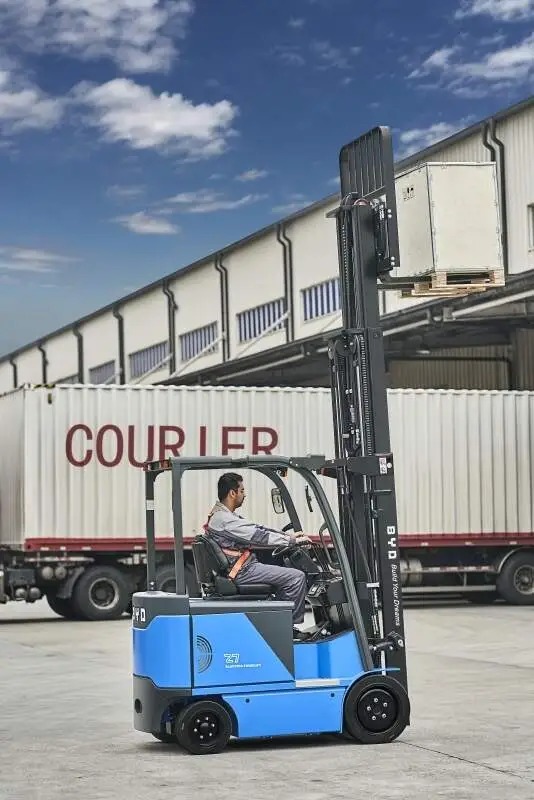
The 2-ton electric forklift is a commonly used handling equipment in warehousing and logistics. Formulating a reasonable procurement budget can not only avoid the waste of funds in the early stage, but also reduce the pressure on subsequent operating costs. Before formulating the budget, it is necessary to clarify the core requirements framework in combination with its own usage scenarios. First, determine the specific usage parameters of the forklift, such as whether the average load of the operation is close to 2 tons, and whether there is occasional ultra-small temporary handling; secondly, clarify the operating environment, whether it is an indoor flat ground or an outdoor site with a slight slope, whether it needs to adapt to narrow passages, and whether there are special environments such as cold storage and moisture-proof workshops; also consider the daily usage time, such as one shift or two shifts, which will directly affect the subsequent selection of core accessories and the overall budget.
After clarifying the requirements, the main part of the preliminary budget can be formulated, that is, the basic equipment procurement cost. The basic procurement cost mainly includes the basic configuration cost of the bare car, as well as the cost of additional accessories installed according to their own needs. The basic configuration can meet most of the conventional handling scenarios, and the installation of accessories is for special operation needs, such as the need to install side shifters, pitch forks, anti-skid tires, etc. Different installation accessories have large price differences and need to be selected on demand.
In addition to the basic procurement costs, there are also some hidden costs that are easily overlooked that need to be included in the budget in advance. The first is the construction cost of supporting facilities. Electric forklifts need charging facilities. If the enterprise does not have ready-made charging areas and charging piles, it needs to plan the site, wiring, and install charging piles. This part of the cost varies depending on the site conditions and the specifications of the charging facilities. Secondly, long-term maintenance costs. The core accessories of electric forklifts such as batteries, motors, and controllers have a certain service life. The replacement cost of batteries is relatively high. Daily regular maintenance and replacement of wearing parts are also continuous expenses. There may also be training costs. If the operator does not have relevant operating qualifications or experience, professional training needs to be arranged to ensure safe operation.
When formulating a reasonable procurement budget for a 2-ton electric forklift, it is recommended to take into account the basic procurement cost and the main hidden costs for at least three years, so as to more comprehensively evaluate the overall investment and avoid subsequent hidden cost overruns that could affect the normal operation of the enterprise.


