
 简体中文
简体中文 繁体中文
繁体中文 Deutsch
 日本語
日本語 한국어
한국어 Tiếng Việt
 Русский
 ไทย
ไทย Bahasa Indonesia
 Bahasa Melayu
 Filipino
 لالعربية
 Français

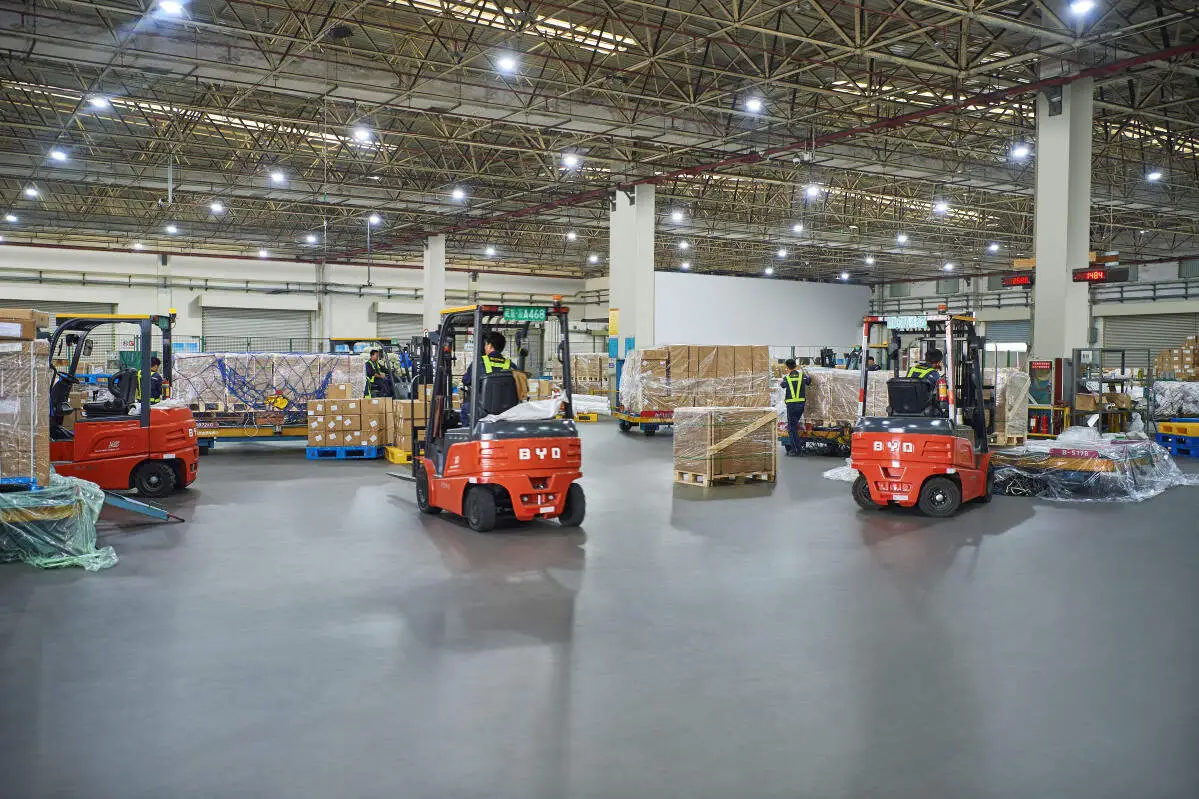
With the increase in space utilization in the warehousing industry, high shelf layout has become a common choice for workshop warehousing, which puts forward higher requirements for the lifting height and operation flexibility of warehousing and transshipment equipment. Lithium-ion forklifts that lift 4 meters have gradually become common equipment in such scenarios due to their suitable performance characteristics.
Adapting to the core characteristics of high-shelf storage
The 4-meter lift height design just matches the access requirements of most workshop high shelves, and can easily complete the cargo handling and storage operations from medium to high shelves. Compared with equipment with insufficient lift height, it can complete high-level operations without additional auxiliary tools, reducing the complexity of the operation process. At the same time, the body design of this type of forklift is compact, with a small turning radius, which can flexibly shuttle in the narrow passage between the workshop shelves, adapting to the transshipment needs of multiple categories of goods.
The advantages of lithium-ion power
The lithium-ion power system provides an environmentally friendly and stable power support for this type of forklift. In a closed workshop storage environment, the lithium-ion forklift will not produce exhaust emissions, avoiding the impact on the air quality of the workshop, and eliminating the need for additional exhaust treatment facilities. In addition, the lithium battery has a stable battery life, and a single charge can meet the needs of most workshops for one day. The charging method is flexible, and the fast charging mode is supported. It can use the working gap to complete energy replenishment and reduce equipment downtime.
Key points of daily operation and maintenance
In order to ensure the long-term stable operation of the lifting 4-meter lithium battery forklift, it is necessary to do a good job of daily operation and maintenance. Regularly check the hydraulic system of the lifting mechanism to ensure that there is no leakage and the wear of the components is within the normal range to avoid affecting the lifting accuracy and safety. For lithium batteries, it is necessary to follow a standardized charging process to avoid excessive charging and discharging, and at the same time regularly clean the surface of the battery to maintain good heat dissipation. In addition, the operator needs to undergo professional training to be familiar with the operating specifications of the equipment to avoid equipment failure or safety problems caused by improper operation.
In the high-shelf workshop storage and transshipment scenario, the lifting 4-meter lithium-ion forklift can effectively improve the efficiency of warehousing operations, optimize the value of space utilization, and provide reliable equipment support for the enterprise's warehousing and logistics.


