
 简体中文
简体中文 繁体中文
繁体中文 Deutsch
 日本語
日本語 한국어
한국어 Tiếng Việt
 Русский
 ไทย
ไทย Bahasa Indonesia
 Bahasa Melayu
 Filipino
 لالعربية
 Français

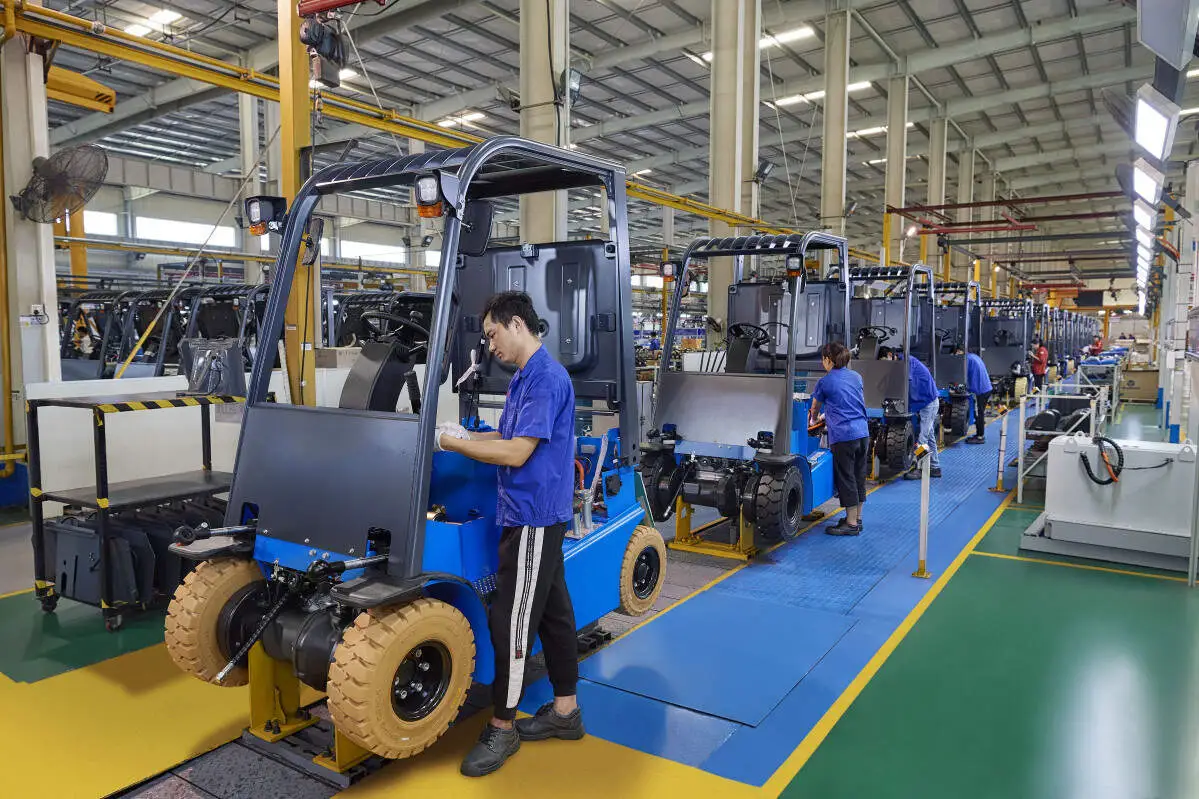
Core Considerations for the Purchase of Traction Equipment in Logistics Park
In the daily operation of logistics parks, traction equipment is the core tool to ensure the efficient operation of cargo transfer, and its load capacity directly affects the operation efficiency and cost control. Many parks often face the confusion of choosing two main traction equipment when purchasing. This article will explain from the dimensions of load characteristics and applicable scenarios to provide reference for park selection.
Load Characteristics and Applicable Scenarios of 5-ton Traction Equipment
This traction equipment has a rated load of 5 tons and is mainly suitable for small and medium-sized cargo transfer needs. In operation scenarios, it is more suitable for short-distance traction of scattered goods in the park, such as the transfer of small parcels, light pallets, or short-distance connections between storage areas and sorting areas. Its compact body design allows it to flexibly shuttle through narrow passages in the park, reducing space occupation, and at the same time, energy consumption is relatively low, suitable for daily high-frequency and light-load operation scenarios.
Load Characteristics and Applicable Scenarios of 10-ton Traction Equipment
This equipment has a rated load of 10 tons, which is aimed at large-weight and large-scale cargo transshipment needs. In the park, it is often used for long-distance traction of heavy pallets and full containers of goods, such as direct transshipment from the storage center to the loading and unloading platform, or cross-park cargo transportation. Due to its stronger load capacity, its power system is more powerful, and it can stably carry heavy goods to complete long-distance operations, effectively reducing the frequency of transshipment and improving overall operation efficiency.
Matching points for traction equipment selection
When purchasing, the park needs to consider its own operation volume, cargo type, and operation route comprehensively. If the park is mainly composed of small and scattered goods, with short daily operation distances and narrow passages, 5-ton equipment can better meet the needs; if the park is mainly composed of heavy cargo transshipment, with long operation routes and large quantities of goods, 10-ton equipment can better meet the requirements of efficient transshipment. In addition, factors such as maintenance costs and energy consumption performance of the equipment need to be considered to ensure that the selected equipment matches the long-term operation needs of the park.


