
 简体中文
简体中文 繁体中文
繁体中文 Deutsch
 日本語
日本語 한국어
한국어 Tiếng Việt
 Русский
 ไทย
ไทย Bahasa Indonesia
 Bahasa Melayu
 Filipino
 لالعربية
 Français

Operating Environment Challenges in Meat Processing Cryogenic Workshops
Harsh conditions of low temperature and high humidity
The meat processing low-temperature workshop maintains a low-temperature environment below 0 ° C all year round, and with the characteristics of high humidity, the water vapor in the air is easy to condense into frost, which adheres to the surface of the parts of the forklift, which not only affects the flexible operation of the mechanical parts, but also may cause the electrical components to be short-circuited due to moisture.
Erosion risk of corrosive media
The workshop is frequently exposed to corrosive media such as meat raw materials, salt water, and detergents. If these substances adhere to the metal structure or electrical system of the forklift, they can cause long-term component corrosion, circuit aging, and shorten the service life of the equipment.
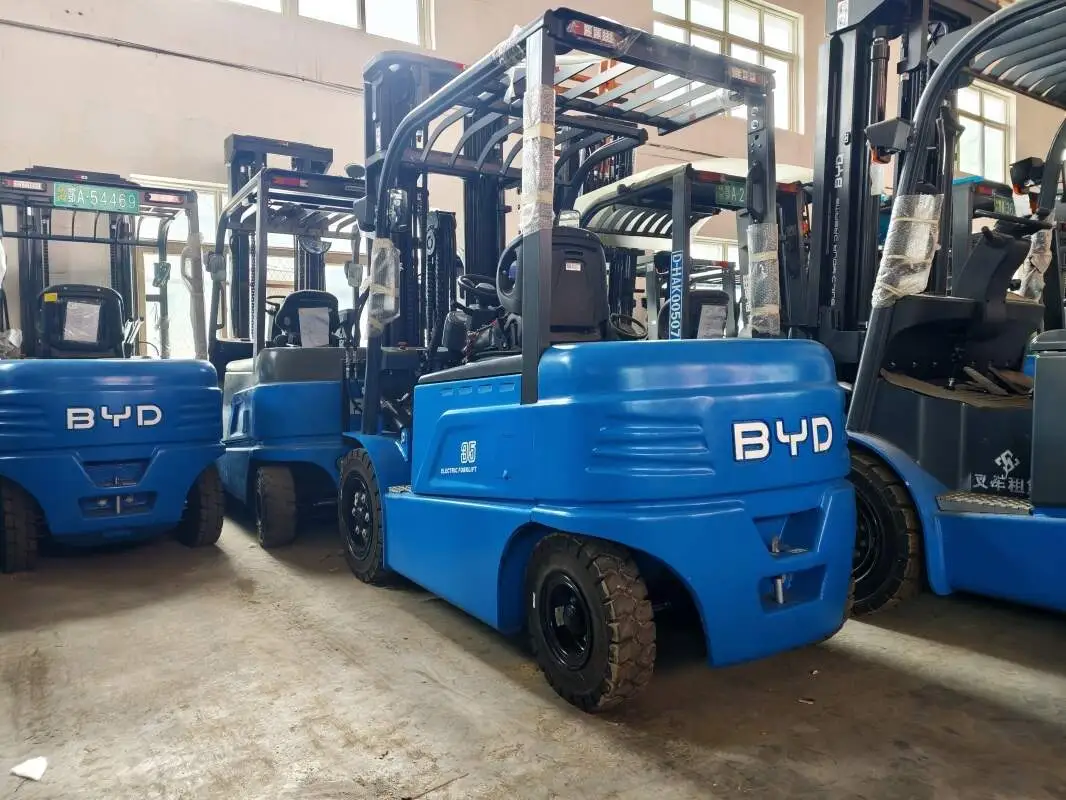
Adaptability Design of Waterproof and Anti-corrosion Lithium Battery Forklift
Waterproof and anti-corrosion structure optimization
For the workshop environment, the metal parts of the forklift are protected by special coatings, and the electrical interface, control box and other key parts are provided with sealing structures, which can effectively block the intrusion of water vapor and corrosive media and avoid damage to the parts.
Battery adaptation for low temperature conditions
The lithium-ion forklift is equipped with a battery management system suitable for low-temperature environments, which can stabilize the charging and discharging performance of batteries at low temperatures, ensure battery life and service life, and solve the problem of sudden performance degradation of traditional batteries at low temperatures.
The value of practical applications
Enhance job safety
The waterproof and anti-corrosion design reduces the safety hazards caused by electrical failures and component rust, and the forklift can still maintain stable operation in a low temperature and slippery environment, reducing the risk of operating accidents.
Reduce operation and maintenance costs
Compared with traditional forklifts, lithium-ion forklifts do not require frequent replacement of vulnerable and corrosive parts, resulting in longer battery maintenance cycles and effective control of overall operation and maintenance costs.
Ensure operational efficiency
The stable low-temperature adaptation performance allows the forklift to operate continuously and efficiently without frequent downtime for charging or maintenance due to battery performance issues, meeting the needs of continuous operation in the meat processing workshop.
Application practice summary
When selecting a forklift in a meat processing low-temperature workshop, it is necessary to focus on waterproof and anti-corrosion performance and low-temperature adaptability. At the same time, regular inspection and cleaning during daily use can further extend the service life of the equipment and improve the overall operating efficiency of the workshop.


