
 简体中文
简体中文 繁体中文
繁体中文 Deutsch
 日本語
日本語 한국어
한국어 Tiếng Việt
 Русский
 ไทย
ไทย Bahasa Indonesia
 Bahasa Melayu
 Filipino
 لالعربية
 Français

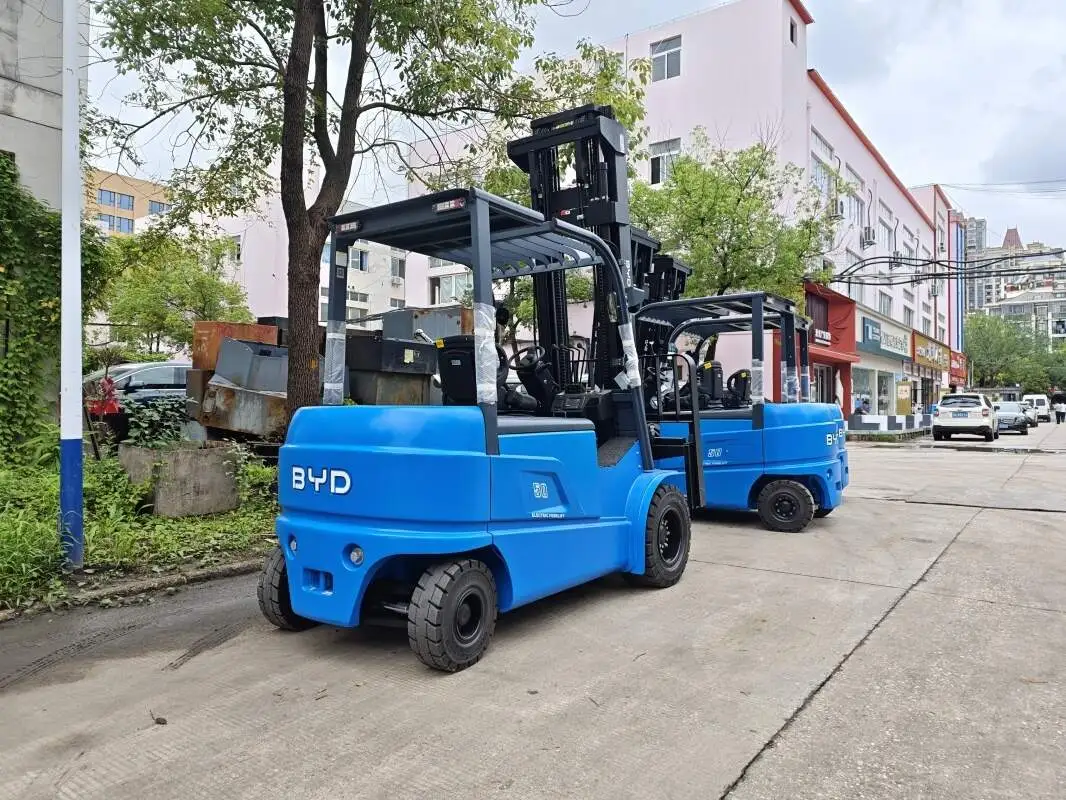
With the wide application of lithium-ion forklifts in the field of logistics and warehousing, second-hand lithium-ion forklifts have become the cost-effective choice for many small and medium-sized enterprises, but the second-hand market is mixed, and it is necessary to master scientific inspection methods to avoid risks.
The inspection of core components is the key to purchasing. First look at the battery system, check the appearance of the battery for bulging and leakage marks, ask about the service life and number of cycles, understand the daily maintenance, and use professional tools to check the remaining capacity and voltage stability if necessary to ensure that the battery performance is up to standard. Secondly, the power system, start the motor to hear whether there is any abnormal noise, check the motor shell for overheating and rust, and check whether the controller wiring is firm and non-aging to ensure stable power output. Also check the hydraulic system, check whether YouTube is damaged and leaking oil, operate the lifting, leaning forward and leaning backward actions, observe whether the response speed is smooth, pay attention to the cleanliness of the hydraulic oil, and avoid equipment with serious wear and tear.
Appearance and detail investigation cannot be ignored. Check the body frame, especially the door frame, fork and other load-bearing parts, for deformation, cracking or secondary welding marks to avoid equipment that has been seriously impacted. Check the tire wear degree and braking system, the tread pattern should be clear and unbiased, test the braking sensitivity, and check whether the thickness of the brake pads meets the standard. At the same time, check the control parts, the steering wheel and the operating lever should feel smooth and not loose, and the instrument panel indicator light and auxiliary parts should function normally.
Finally, do a good job of trial operation and performance test. Complete the forward, backward, steering and other actions under no load, and observe whether the components cooperate smoothly. Select the rated load cargo for load test, check the lifting height and handling stability, and confirm that the power and hydraulic system are not weak. Test the endurance when conditions permit, observe the battery voltage drop, and judge the true performance.
Overall, the purchase of second-hand lithium-ion forklifts requires comprehensive and meticulous inspection, from core components to details, in order to select stable and cost-effective equipment and provide reliable support for logistics operations.


