
 简体中文
简体中文 繁体中文
繁体中文 Deutsch
 日本語
日本語 한국어
한국어 Tiếng Việt
 Русский
 ไทย
ไทย Bahasa Indonesia
 Bahasa Melayu
 Filipino
 لالعربية
 Français

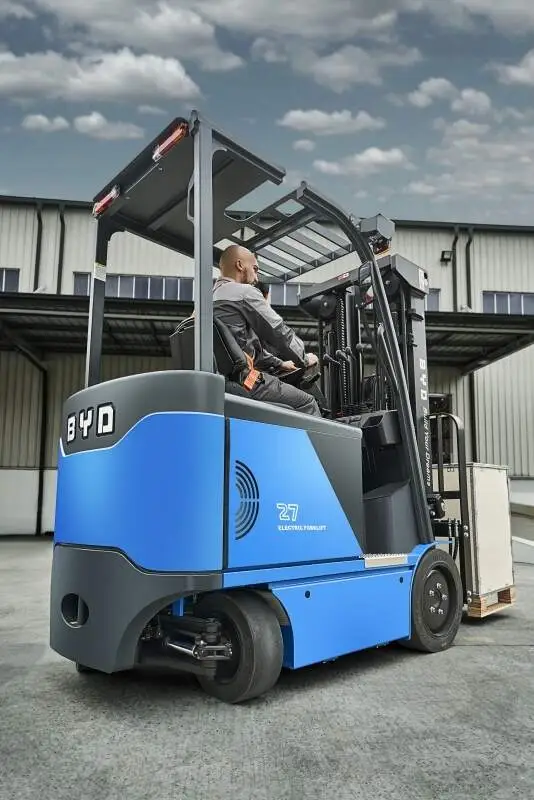
Adaptability of Reach Electric Forklift to Narrow Lane Storage
The Core Requirements for Equipment in Narrow Roadway Storage
With the increase in land costs in the warehousing industry and the increasing popularity of high-density narrow roadway storage models, such scenarios place strict requirements on the spatial adaptability of handling equipment. The width of the roadway is usually only 60% -70% of that of the conventional channel, and the equipment needs to have a compact turning radius, and at the same time, it can complete the access of goods without driving into the depth of the roadway, so as to avoid space waste. With the structural characteristics of the gantry that can be retractable back and forth, the forward-moving electric forklift just meets this demand, making it an ideal choice for narrow roadway warehousing operations.
The supply capacity of reach electric forklift manufacturers
Customized equipment solutions
Professional manufacturers will provide a variety of reach-type electric forklift products according to the actual needs of different storage scenarios. Equipment types covering different load levels and lifting heights can be adapted to the needs of cargo handling from 1 ton to 3 tons, and the lifting height can reach 6 meters to meet the stacking operation of multi-layer shelves. At the same time, the manufacturer can adjust the body size, steering system and gantry expansion distance of the forklift according to the parameters of the roadway width and shelf layout provided by the customer to ensure that the equipment operates flexibly in a narrow space and makes full use of the storage space.
Whole process service system
In addition to equipment supply, regular manufacturers also have perfect whole-process service capabilities. From the early stage of site survey and equipment selection guidance, to the mid-term installation and commissioning, operator training, and then to the later stage of regular maintenance and spare parts supply, a complete service chain is formed. Operator training covers equipment operation specifications, safety precautions and daily troubleshooting to help customers get started quickly; regular maintenance includes key component testing, performance calibration, etc., to ensure long-term stable operation of equipment and reduce the risk of downtime.
How to Choose the Right Reach Electric Forklift Manufacturer
Focus on device performance matching
When selecting a manufacturer, first check whether the performance of the manufacturer's equipment matches the actual parameters of its own storage. Focus on the core parameters such as the turning radius of the forklift, the expansion stroke of the gantry, the load capacity and the lifting height to ensure that the equipment can smoothly adapt to the narrow roadway operating environment and meet the daily stacking and handling needs.
Examine the service strength of the manufacturer
Secondly, it is necessary to check the service strength of the manufacturer, including after-sales response speed, spare parts reserve and service network coverage. Perfect after-sales services can respond quickly in the event of equipment failure and reduce downtime; adequate spare parts reserve can ensure maintenance efficiency and avoid long-term shutdowns caused by missing spare parts. In addition, it is possible to know whether the manufacturer provides value-added services such as regular on-site inspections and equipment upgrades to further enhance the use value of the equipment.


