
 简体中文
简体中文 繁体中文
繁体中文 Deutsch
 日本語
日本語 한국어
한국어 Tiếng Việt
 Русский
 ไทย
ไทย Bahasa Indonesia
 Bahasa Melayu
 Filipino
 لالعربية
 Français

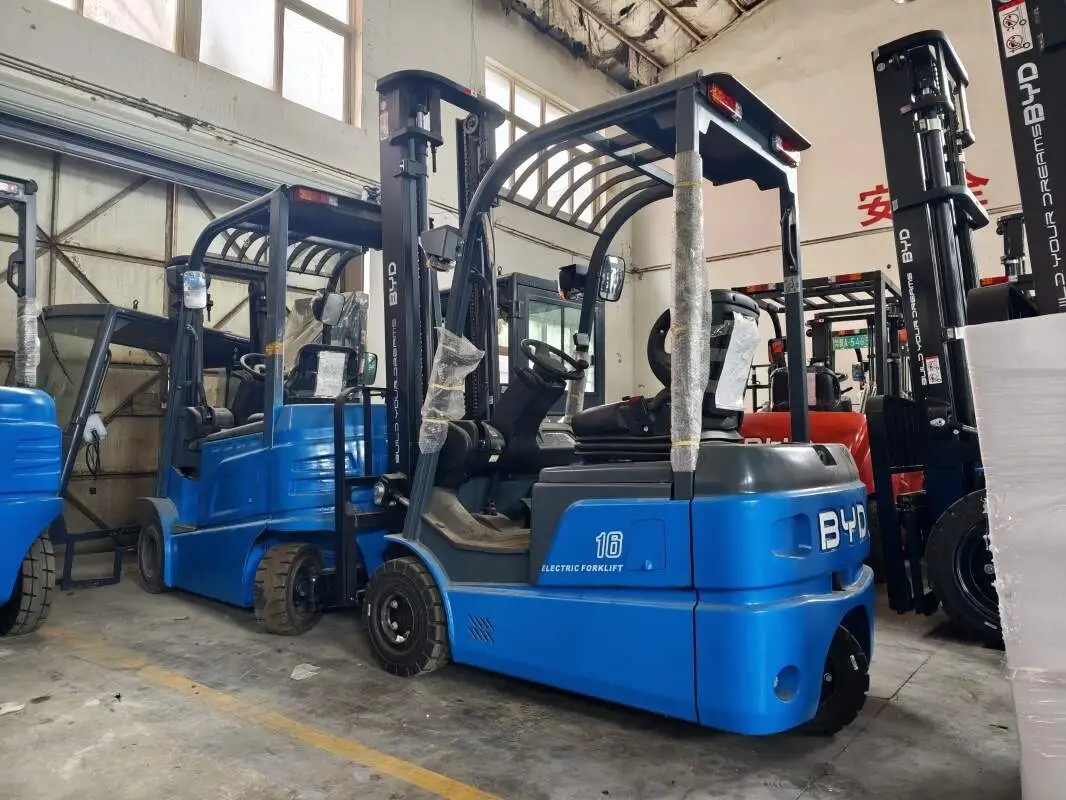
Short-term warehousing operations are often accompanied by temporary goods turnover, peak season stocking, etc. If the direct purchase of forklifts will generate higher upfront investment, and the cost of idle periods is difficult to control, choosing to lease forklifts becomes a more cost-effective solution.
Identify the core requirements for short-term warehousing operations
First of all, it is necessary to accurately match the type of operation scene. If it is an outdoor open storage area or a large flat warehouse, the goods are mostly handled in batches of whole pallets, and the load capacity and movement flexibility of the forklift need to be paid attention to; if it is an indoor high-shelf warehouse with high cargo access height, it is necessary to focus on the lifting height and narrow channel adaptability of the forklift. At the same time, it is necessary to calculate the workload parameters, combine the daily average handling times, single handling goods weight, working radius and other data to determine the basic performance indicators of the forklift, and avoid cost waste caused by excess selection.
Forklift model selection for short-term operations
The counterbalanced electric forklift is suitable for outdoor or large space storage operations, with strong load capacity, can cope with the handling needs of heavier goods, and has good operation stability. The forward-moving electric forklift is more suitable for indoor high-shelf scenarios. Its door frame can be moved forward, and it can also complete high-level cargo access in narrow passages. The lift height can reach several meters to meet the needs of intensive storage operations. The electric pallet truck is suitable for close-range plane handling. The body is small and flexible, easy to operate, suitable for the quick turnover of small batches of goods, and the rental cost is relatively low.
Optimize the leasing plan and control the upfront investment
Flexible planning of the lease period is the key to reducing costs. According to the cycle of short-term operations, you can choose to lease on a daily, weekly or monthly basis. During peak seasons, increase the number of leases as needed, and return the lease in time after the operation to avoid unnecessary costs caused by idle equipment. At the same time, it is necessary to consider leasing supporting services, and give priority to leasing plans that include maintenance and failure repair, without having to bear the cost of equipment maintenance by yourself; some leasers also provide operator training services to reduce labor costs and further reduce upfront investment.
Reasonable forklift leasing selection and program planning can effectively reduce upfront equipment investment while meeting the needs of short-term warehousing operations, allowing enterprises to focus on core business operations and improve overall operational efficiency.


