
 简体中文
简体中文 繁体中文
繁体中文 Deutsch
 日本語
日本語 한국어
한국어 Tiếng Việt
 Русский
 ไทย
ไทย Bahasa Indonesia
 Bahasa Melayu
 Filipino
 لالعربية
 Français

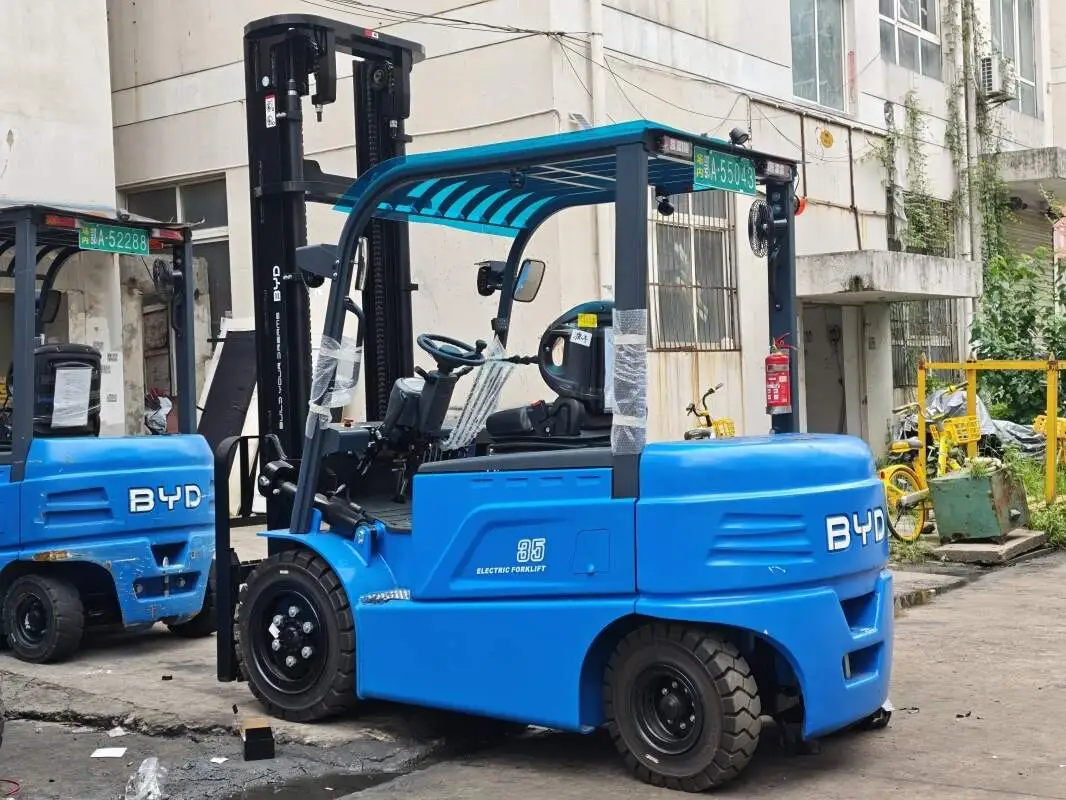
In the daily operation of small warehouses, there are often scenarios such as replenishment during peak e-commerce seasons and warehousing adjustment of goods from different seasons. Short-term handling tasks are concentrated but limited in duration. If you directly purchase handling equipment, not only will you need to invest a high cost at one time, but the depreciation and maintenance costs of subsequent equipment when they are idle will also become an additional burden, which is not cost-effective for smaller warehouses.
Leasing handling equipment can solve such problems very well, first of all, the cost is controllable. There is no need to bear the large expenditure of equipment procurement, only the rental fee needs to be paid according to the actual use time, and at the same time, it can save the cost of daily maintenance of equipment, battery replacement and other links, so that the capital investment of the warehouse is more flexible and efficient. Secondly, the adaptability is strong, and the lease period can be flexibly selected according to the needs. Whether it is a few days of temporary handling or a few weeks of phased operations, a suitable lease plan can be found to avoid waste of resources.
For different handling needs, multi-tonnage models can also be selected on demand. The 1-ton model is small in size and flexible in steering, suitable for small warehouses with more narrow passages, and can easily shuttle between shelves to handle the handling of scattered and lightweight goods; the 2-ton model is a regular model with moderate carrying capacity, suitable for the handling of pallet goods in most small warehouses, to meet the basic needs of daily replenishment and cargo turnover; the 3-ton model has more power and stronger carrying capacity, suitable for short-term handling scenarios with heavier goods, such as hardware and building materials, to ensure the efficient completion of the transshipment of large-scale goods.
During the leasing process, several details need to be paid attention to. Evaluate the space layout of the warehouse in advance, the weight of the goods and the daily handling volume to determine the most suitable model; check the battery life, operation flexibility and brake system status of the equipment on site before leasing to ensure that the equipment can operate stably; clarify the lease duration, cost details and the division of responsibilities between the two parties to avoid subsequent disputes and make short-term handling operations smoother


