
 简体中文
简体中文 繁体中文
繁体中文 Deutsch
 日本語
日本語 한국어
한국어 Tiếng Việt
 Русский
 ไทย
ไทย Bahasa Indonesia
 Bahasa Melayu
 Filipino
 لالعربية
 Français
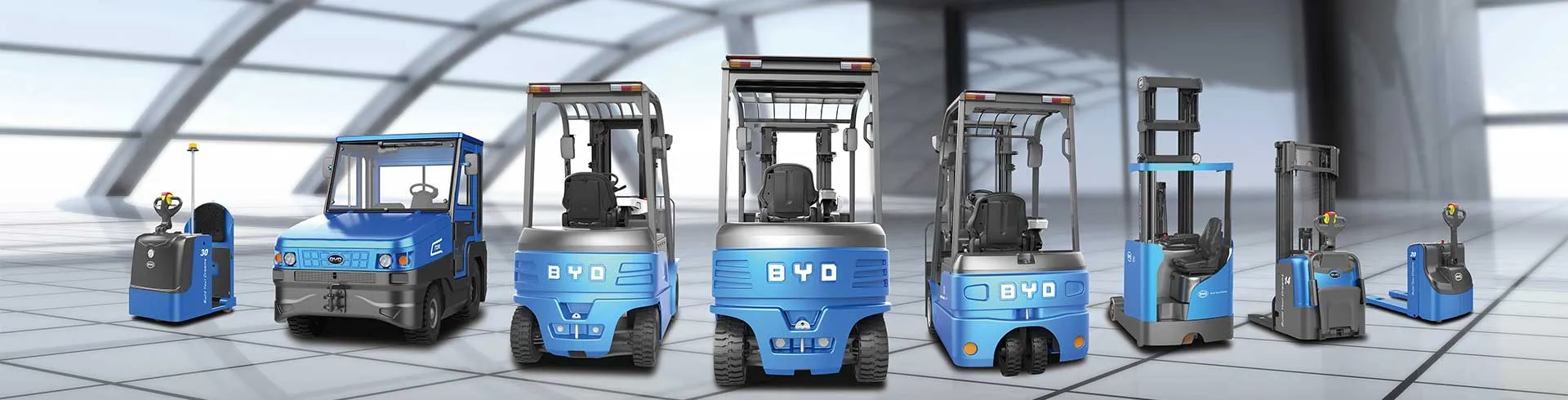
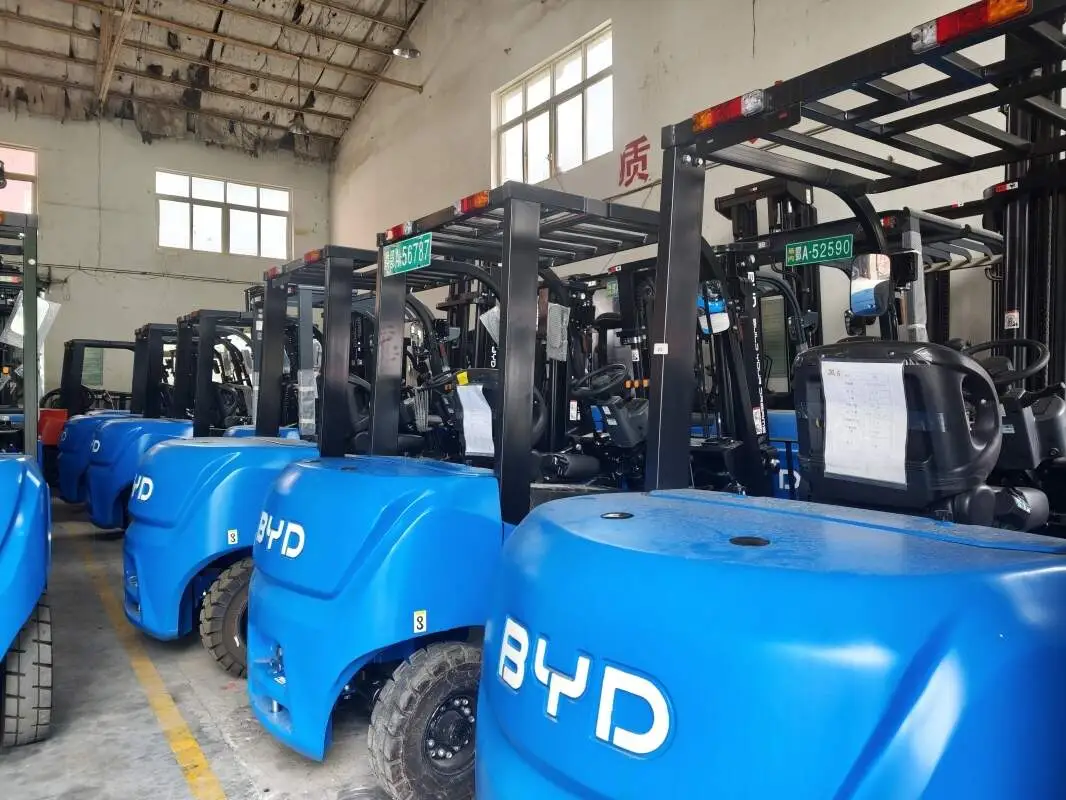
In the transfer of hazardous materials in the factory, safety and efficiency are the core requirements. Explosion-proof lithium battery tractors, with their explosion-proof performance, environmental protection characteristics and flexible operation advantages, have become an important equipment suitable for such scenarios. Supporting scientific and complete transfer solutions can effectively reduce operational risks and improve transfer efficiency.
Vehicle selection and scene adaptation
First of all, it is necessary to determine the parameters and specifications of the explosion-proof lithium battery tractor according to the type, weight and transshipment route of the hazardous materials. For flammable and explosive materials, it is necessary to ensure that the vehicle has an electrical system of the corresponding explosion-proof grade, suitable for closed cargo compartments or special loading devices, to prevent material leakage from causing safety hazards. At the same time, combined with the road width, turning radius and other environmental conditions in the factory area, choose a vehicle with the right body size to ensure smooth traffic.
Standardized optimization of transshipment process
Formulating a standardized transfer process is the key to ensuring the safety of the operation. During the material loading process, a special person needs to be arranged to check the material identification to confirm that the loading volume meets the rated load of the vehicle and avoid vehicle failure or material drop caused by overload. During the transfer process, set a fixed dedicated route to avoid crowded areas and high temperature and fire source areas. Drivers need to strictly abide by the speed limit regulations and maintain a safe distance from the vehicle. After arriving at the unloading point, they need to stop in the designated area, cooperate with the receiving personnel to complete the material inventory and unloading, and make operation records throughout the process.
Safety control supporting measures
A sound safety control system is an important support for the transfer of hazardous materials by explosion-proof lithium battery tractors. Operators need to undergo professional training to master the characteristics of hazardous chemicals, vehicle operation specifications and emergency response procedures, and be certified to work. Clear warning signs should be set up in the factory area, fire equipment and emergency rescue equipment should be equipped along the transfer route, and emergency drills should be carried out regularly to improve the ability to deal with emergencies. In addition, a daily safety inspection mechanism for vehicles needs to be established to check the status of explosion-proof devices, braking systems and batteries before each operation to ensure that the vehicle is in safe operation.
Daily operation and maintenance
In order to ensure the long-term stable operation of the explosion-proof lithium battery tractor, it is necessary to establish a normal operation and maintenance mechanism. Regular professional inspection and maintenance of the explosion-proof parts and battery system of the vehicle, and timely replacement of aging or damaged parts. For lithium battery, it is necessary to formulate scientific charging and storage specifications to avoid overcharging, overdischarging and high temperature environment storage, and prolong the service life of the battery. At the same time, establish operation and maintenance files to record the content of each maintenance and the operation status of the vehicle, and provide data support for subsequent operation arrangements and equipment upgrades.
In summary, the explosion-proof lithium battery tractor plant hazardous material transfer supporting program needs to take into account the vehicle adaptation, process specification, safety control and operation and maintenance to ensure multiple dimensions, through scientific and reasonable configuration and management, not only to meet the compliance requirements of hazardous material transfer, but also to improve the overall efficiency and safety of plant operations.


