
 简体中文
简体中文 繁体中文
繁体中文 Deutsch
 日本語
日本語 한국어
한국어 Tiếng Việt
 Русский
 ไทย
ไทย Bahasa Indonesia
 Bahasa Melayu
 Filipino
 لالعربية
 Français

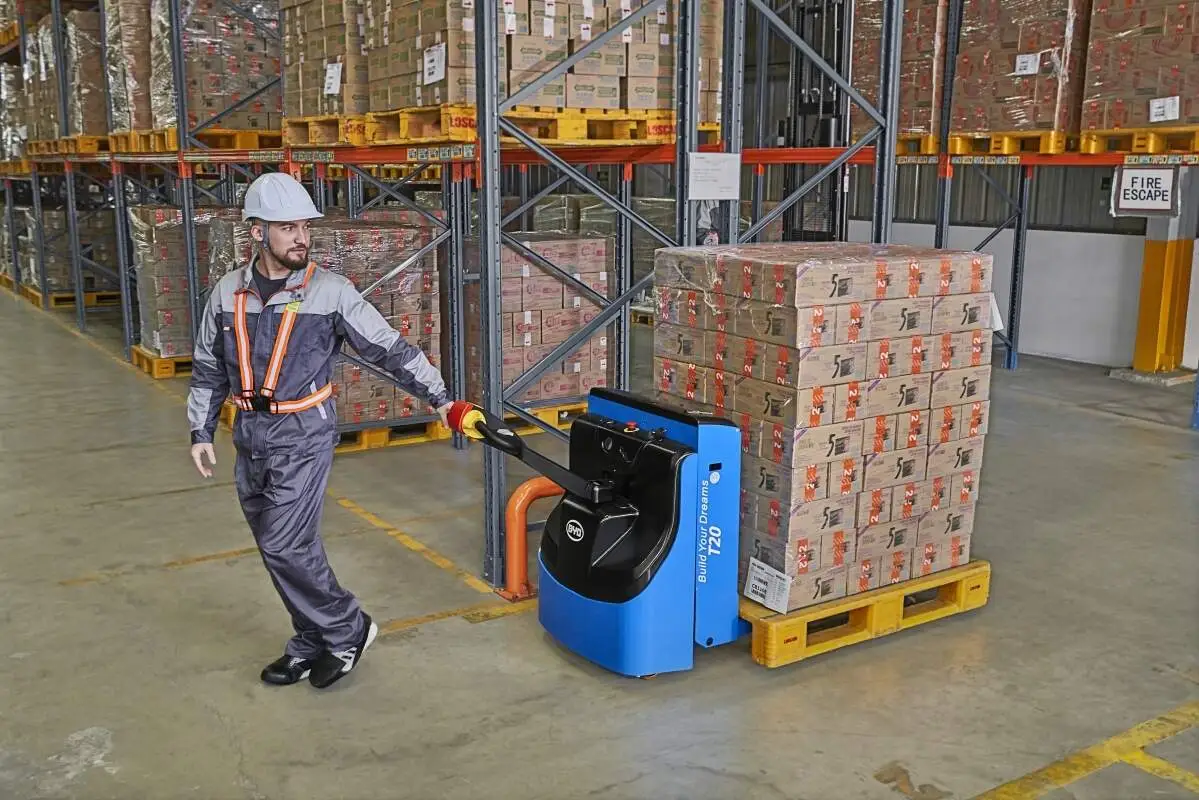
Daily maintenance of the three-point lithium forklift can effectively improve the running stability of the vehicle, prolong the service life of the core components, and reduce the probability of failure. Next, starting from the whole process of daily operation, share practical maintenance steps.
The first step is the basic inspection before leaving the car. This step takes about five to ten minutes and is the key to ensuring the safety of the day's operation. First circle the car to see if there are obvious collision and deformation marks on the appearance of the body, whether the air pressure of the tire is normal, whether there are embedded stones, metal chips and other foreign objects on the tread, and whether the tread depth meets the requirements. Then check the steering system of the forklift, turn the steering wheel left and right, and feel whether the steering is flexible, whether there is any jam or abnormal noise. Then check the braking system, step on the brake pedal, feel whether the braking force is sufficient, and whether the rear pedal can be quickly returned after loosening. Then check the lighting system, including headlights, turn signals, reversing lights, and warning lights, to ensure that all lights can be lit normally. Finally, check the power display of the lithium battery to confirm whether the remaining power can meet the operating needs of the day. If the power is insufficient, it needs to be charged in advance.
The operating specifications in the operation are also part of the daily maintenance. During use, the operation should be carried out strictly according to the rated load of the vehicle to avoid overloading. When operating the steering and braking, the action should be gentle and smooth, avoid rushing in the direction, slamming on the brakes, and reduce wear and tear on the steering system and braking system. Pay attention to the working environment, avoid driving on the road surface with a slope exceeding the allowable range of the vehicle, and avoid staying in places with a lot of water and sand for a long time to prevent water and sediment from entering the interior of the vehicle and damaging electrical components and mechanical components. If the vehicle is found to have abnormal sounds, vibrations or indicator lights during the operation, stop the operation immediately, turn off the power supply, and conduct a preliminary inspection of the vehicle. If it cannot be solved by itself, contact a professional maintenance staff in time.
The maintenance after the car is collected cannot be ignored either. First, park the vehicle in a flat, dry, and well-ventilated designated area, pull up the handbrake, turn off the power supply, and unplug the key. Then clean the vehicle. Use a soft cloth or a special cleaning tool to wipe the dust and oil on the exterior of the body, tires, and the interior of the cab. Be careful not to use a high-pressure water gun to directly wash the vehicle, especially the electrical parts and battery areas to prevent short circuits. Then check the appearance of the lithium battery to see if the battery case is damaged or deformed, and whether the terminal is loose or oxidized. If there is oxidation, wipe it with a special cleaning cream or alcohol cotton. Finally, fill in the vehicle's use and maintenance records, and record the working time, working mileage, working conditions, and problems found and dealt with on the day.
The core consumables used in daily maintenance include tire valve elements, tire snow chains, brake pads, brake fluid, hydraulic oil, gear oil, air filter elements, fuel filter elements, and special cleaning tools for lithium batteries. These consumables should be selected to meet the specifications of the vehicle and replaced regularly. The replacement cycle can refer to the vehicle's instruction manual.


