
 简体中文
简体中文 繁体中文
繁体中文 Deutsch
 日本語
日本語 한국어
한국어 Tiếng Việt
 Русский
 ไทย
ไทย Bahasa Indonesia
 Bahasa Melayu
 Filipino
 لالعربية
 Français

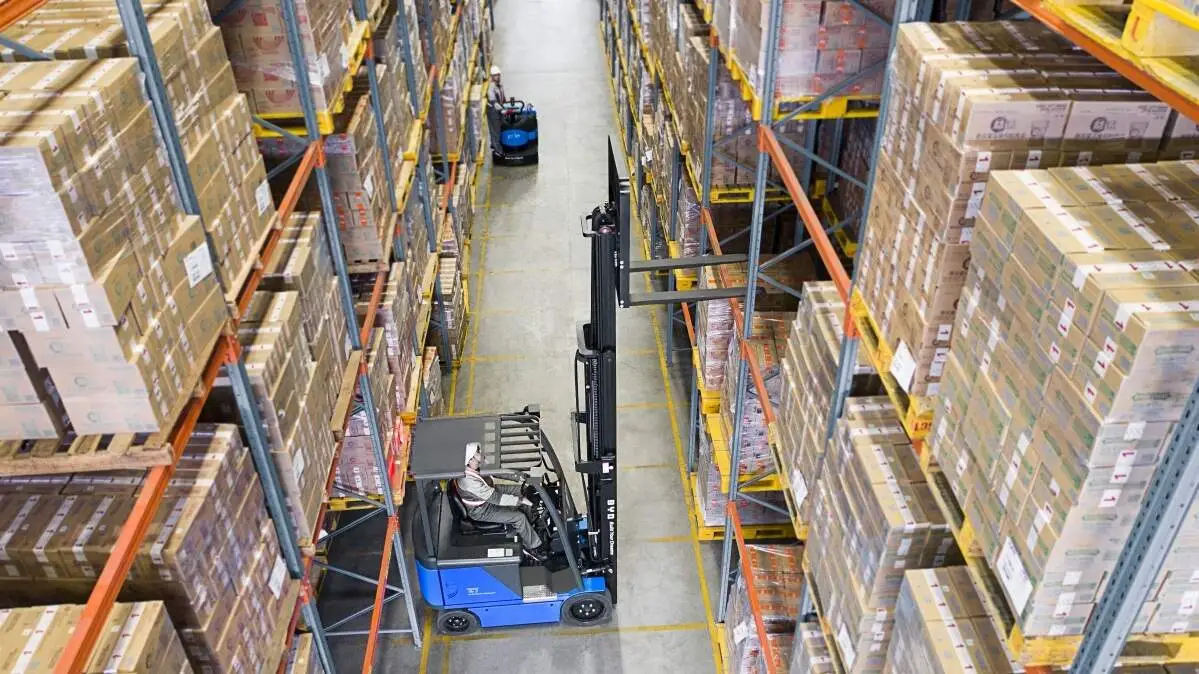
BYD forklift adapts to the core value of warehousing enterprises
In modern warehouse operations, narrow aisle operations and high-density storage are key requirements for improving space utilization. With its flexible steering performance and compact body design, BYD forklifts can adapt to the operation requirements of various storage scenarios. At the same time, the electric drive characteristics are in line with the operation trend of green warehousing, which reduces energy consumption costs for enterprises while reducing environmental impact.
Two Cooperation Models between Storage Enterprise and BYD Reach Forklift
Purchase installment model: flexible choice for long-term holding of equipment
For warehousing enterprises with long-term warehousing operation plans and temporary pressure on capital flow, the procurement installment model is a more suitable choice. Enterprises can negotiate and determine the down payment ratio according to their own financial situation, and the remaining funds can be repaid in equal installments on a monthly basis, effectively relieving the pressure of large-scale capital expenditure for initial equipment procurement. After the installment repayment is completed, the enterprise will obtain complete ownership of the equipment, and can independently arrange the use, maintenance and upgrade of the equipment according to its own operational needs. It is suitable for enterprises with stable business and long-term fixed storage scale.
Leasing model: an efficient solution for asset-light operations
The leasing model provides a more flexible solution for warehousing enterprises with obvious business fluctuations in the off-peak season, short-term project needs or a preference for asset-light operation. Enterprises do not need to invest large upfront funds. They only need to pay a fixed rent on a monthly basis to use BYD's forward forklift. Some leasing plans also include basic maintenance services for equipment, reducing the manpower and cost investment of enterprises in equipment maintenance. The lease period can be flexibly adjusted according to the needs of enterprises. After the project ends or the off-season comes, the lease can be terminated in time to avoid depreciation losses caused by idle equipment.
How to Choose the Right Cooperation Model for Warehousing Enterprises
When choosing a cooperation model, an enterprise needs to consider its own financial situation, operation cycle and warehousing scale comprehensively. If the enterprise has stable business orders and plans to deepen the warehousing field for a long time, the procurement installment model can help the enterprise gradually accumulate fixed assets; if the enterprise's business has strong seasonal fluctuations and only needs short-term use of equipment, the leasing model can better adapt to the flexible operation rhythm and reduce operational risks. By comparing the costs and adaptation scenarios of the two models, warehousing enterprises can make decisions that are more in line with their own development needs.


