
 简体中文
简体中文 繁体中文
繁体中文 Deutsch
 日本語
日本語 한국어
한국어 Tiếng Việt
 Русский
 ไทย
ไทย Bahasa Indonesia
 Bahasa Melayu
 Filipino
 لالعربية
 Français

Core compliance document types
Special equipment use registration certificate
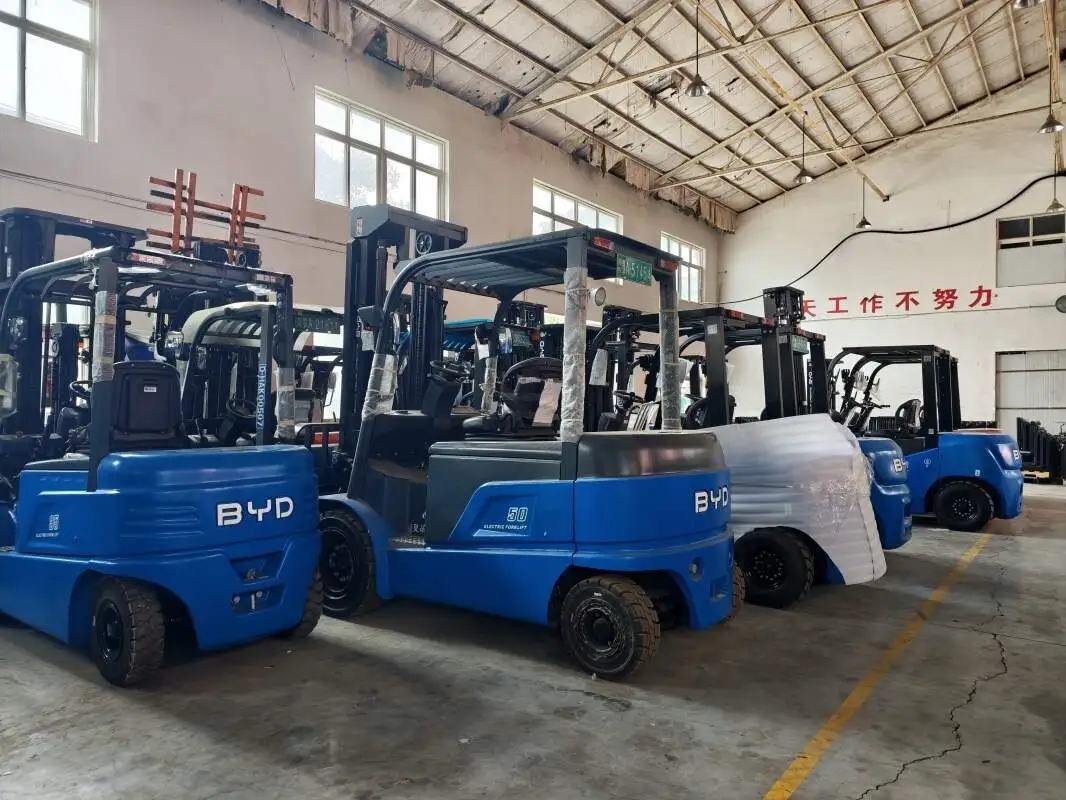
The electric forklifts used in the factory area belong to the category of special equipment. According to relevant laws and regulations, they must apply to the local special equipment safety supervision and management department for a special equipment use registration certificate before or within 30 days after being put into use. During processing, you need to submit the product quality qualification certificate of the forklift, installation, use and maintenance instructions, inspection certificate and other materials. After approval, you can receive the registration certificate. After that, the forklift can be legally put into use.
Operator qualification certificate
Electric forklift operators must hold the corresponding special equipment operator qualification certificate, which is the key to ensure operation safety and compliance. Operators need to participate in professional training courses to learn forklift operation skills, safety specifications, emergency treatment and other knowledge. After passing the theoretical and practical assessment, the relevant departments will issue qualification certificates. Qualification certificates need to be reviewed regularly to ensure that the operator's skills continue to meet the requirements.
Periodic inspection report
After the electric forklift is put into use, it needs to be inspected regularly according to the specified cycle, usually once a year. The inspection is carried out by a qualified special equipment inspection agency, covering key components such as the brake system, steering system, and electrical system of the forklift. After passing the inspection, an inspection report will be issued. Enterprises need to properly keep the report as an important certificate for the legal use of the forklift. If the inspection fails, it needs to be rectified and re-inspected in time, and it can continue to be used after passing the inspection.
Other compliance considerations
In addition to the above-mentioned core documents, enterprises also need to improve relevant supporting documents, such as formulating forklift safety operating procedures, emergency rescue plans, and filing with local regulatory authorities. At the same time, it is necessary to establish forklift daily maintenance records, regularly check and maintain forklifts to ensure stable equipment performance and reduce safety hazards. These documents and records are also important content in compliance inspections, and enterprises need to pay attention to and continue to update and improve.


