
 简体中文
简体中文 繁体中文
繁体中文 Deutsch
 日本語
日本語 한국어
한국어 Tiếng Việt
 Русский
 ไทย
ไทย Bahasa Indonesia
 Bahasa Melayu
 Filipino
 لالعربية
 Français

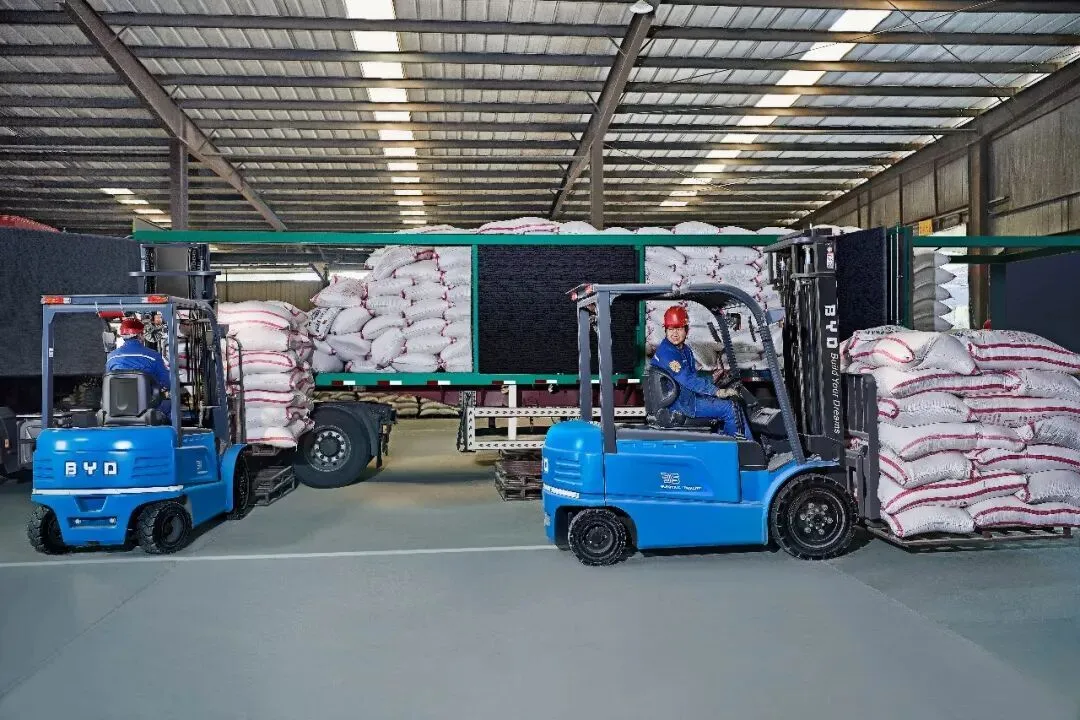
Core basic performance description of the two models
Core features of CPD45 model
This 4.5-ton counterbalanced electric forklift is equipped with a stable power output system, the body weight layout has been optimized, the load-bearing capacity of the whole vehicle is stable, the wheel base is adapted to the traffic requirements of the main channel of the conventional warehouse, and the battery life performance can meet the needs of 8 hours of routine operations in a single day. It supports fast charging and replenishment mode, and has low difficulty in daily operation and maintenance. It is mainly designed for the development of general-purpose handling operation scenarios.
ECB45 core features
This 4.5-ton electric forklift belongs to the storage dedicated large-load forward model, the body wheelbase is shorter, the channel width requirements are lower, the door frame lifting height can be adapted to the high-level shelf operation needs of more than ten meters, the body vision After special project optimization, the operation convenience of high-level pick and place goods is better, and the vehicle steering flexibility is outstanding.
Adaptation guide for different warehouse scenarios
Intensive storage warehouse adaptation scenario
For intensive storage warehouses with high-level shelves and small channel reservation widths, it is more appropriate to choose the ECB45 model first. In such scenarios, the main work content of the operator is the access of goods in high-level cargo spaces, and the demand for narrow channel traffic accounts for a higher proportion. The narrow channel adaptability of the model can greatly improve the space utilization of the warehouse and reduce the waste of storage area caused by channel occupation.
Heavy-duty turnaround warehouse adaptation scenario
For heavy-duty turnaround warehouses with high frequency of incoming and outgoing shipments, mostly operating in outdoor connection areas and short-distance transit areas of warehouses, the adaptability of CPD45 models is better. In such scenarios, the operating environment is relatively complex, and occasional uneven ground conditions are encountered. The balanced weight layout of the model can better adapt to the traffic needs of complex road surfaces, and the stability of point-to-point transfer operations for large and heavy goods is stronger.
Special operation requirements selection points
In the actual selection process, users can also further verify the actual parameters such as the average daily operating hours of their own warehouses, the types of commonly handled goods, and the width of existing channels, and give priority to matching models with higher coincidence of their own operating requirements to avoid problems of excess performance or insufficient adaptability, and ensure that the overall operating efficiency of the warehouse is steadily improved.


