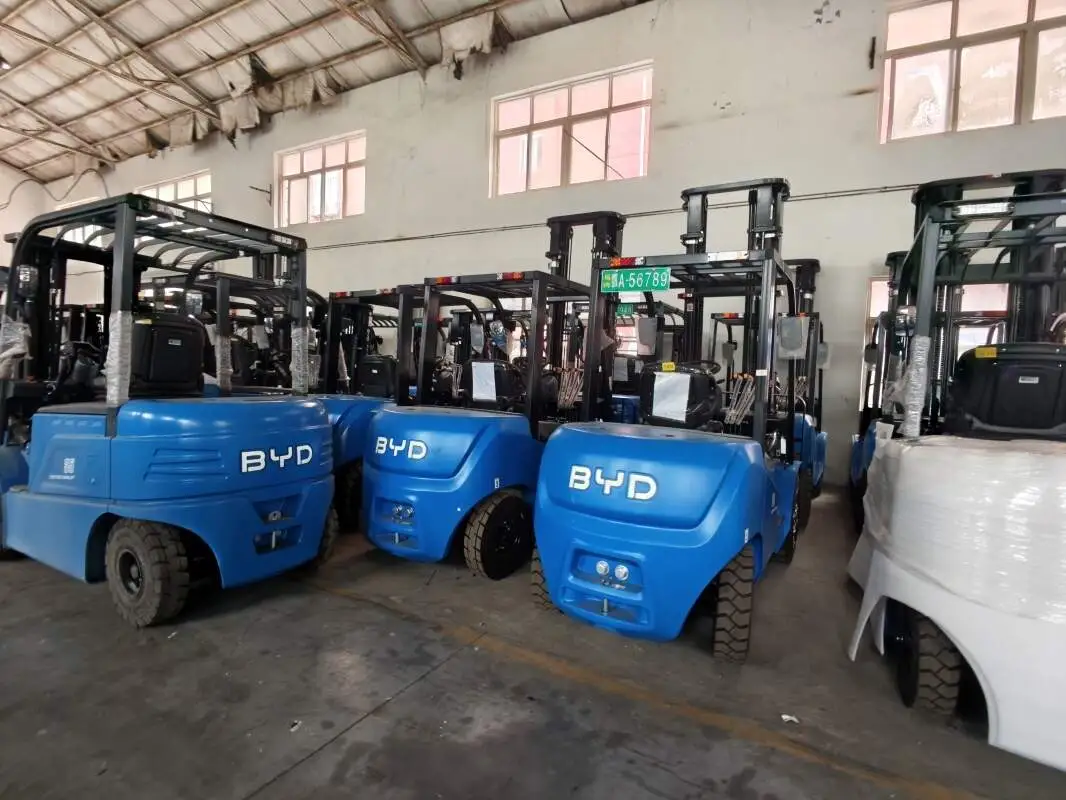
When managing material handling tasks that require lifting heavy loads, a 15K forklift is a reliable solution for businesses seeking flexibility without the upfront cost of purchasing. However, renting such heavy-duty equipment requires careful planning to avoid unexpected issues and ensure it aligns with your operational needs. Here are key points to consider before finalizing a 15K forklift rental agreement.
First, assess your load requirements and operating environment thoroughly. The 15K designation refers to the forklift’s 15,000-pound load capacity, but it’s critical to confirm that this matches the maximum weight of the items you’ll be lifting on a regular basis. Additionally, consider the space where the forklift will operate. If you’re working in a narrow warehouse with low ceilings, ensure the forklift’s turning radius and lift height are suitable for the space. For outdoor operations on uneven terrain or gravel, opt for a model with robust tires and enhanced stability features to prevent accidents.
Next, determine the appropriate rental duration. Short-term rentals are ideal for one-off projects or peak seasonal demands, while long-term rentals may offer cost savings for ongoing operations. Discuss with the rental provider whether there are flexible terms for extending the rental period if your project takes longer than expected. Clarify any penalties for early termination to avoid unnecessary costs down the line.
Maintenance and warranty terms are another crucial aspect. Ask the rental company about their maintenance schedule for the 15K forklift. Will they conduct regular inspections and servicing during the rental period? Who is responsible for covering repair costs if the equipment breaks down due to normal wear and tear? Ensure that the provider offers a prompt response for emergency repairs to minimize downtime that could disrupt your operations.
Safety compliance should never be overlooked. Verify that the 15K forklift meets all relevant safety standards and regulations. Inquire if the rental company provides training for your operators, especially if they are unfamiliar with heavy-duty forklift operation. Additionally, confirm that the equipment is equipped with essential safety features such as seat belts, backup alarms, and load stability systems. Don’t forget to check if the rental agreement includes liability insurance coverage to protect your business in case of accidents or property damage.
Finally, review the rental contract in detail before signing. Pay close attention to the rental rate structure—are there hidden fees for delivery, pickup, or additional hours of use? Understand the deposit requirements and the conditions under which the deposit will be returned. Clarify the responsibilities for cleaning the forklift before return and any charges for damage beyond normal wear and tear. Taking the time to clarify these terms will help prevent disputes and ensure a transparent rental experience.
By carefully evaluating these factors, you can select a 15K forklift rental that meets your operational needs, ensures safety, and fits within your budget. Proper planning upfront will contribute to efficient material handling operations and a positive rental experience.