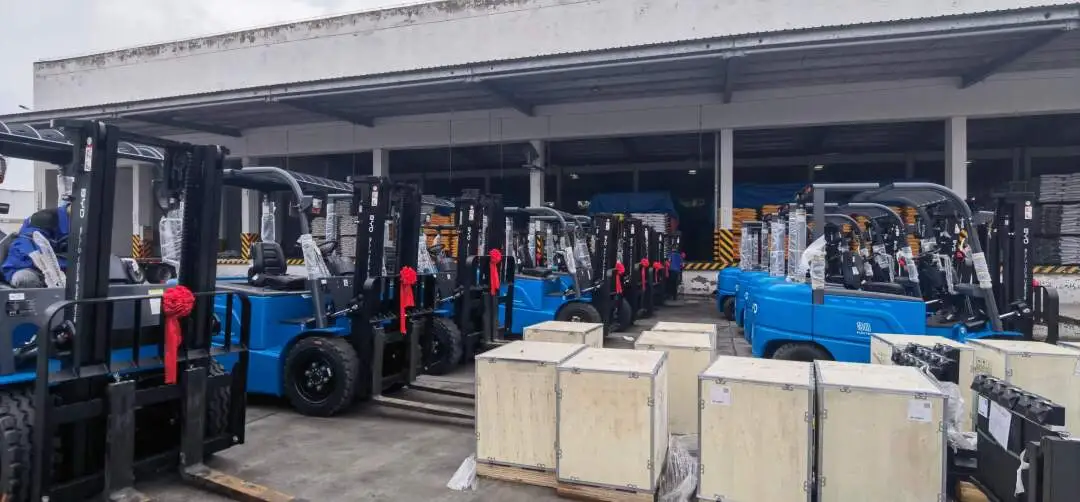
When it comes to electric forklift operations, the 36 volt forklift battery serves as a critical component that directly influences both operational costs and overall efficiency. Understanding the factors that drive its cost and evaluating its long-term performance is essential for businesses looking to optimize their material handling operations.
Key Cost Factors of 36 Volt Forklift Batteries
The initial purchase cost of a 36 volt forklift battery varies based on several core factors. First, battery chemistry plays a significant role; different types of batteries come with distinct price points, with options designed for varying load capacities and usage cycles. Higher capacity batteries, which support longer runtimes per charge, typically carry a higher upfront cost due to the increased material and manufacturing requirements. Additionally, the build quality of components such as casing and terminal connections can affect pricing, as durable materials may incur higher production expenses to ensure resistance to wear in industrial environments.
Beyond upfront costs, operational expenses contribute to the total lifecycle cost. Charging efficiency impacts energy consumption; batteries with higher charging efficiency reduce electricity costs over time. Maintenance requirements also add to operational costs. Regular tasks like cleaning terminals, checking electrolyte levels (for applicable battery types), and routine inspections to identify minor issues can prevent costly premature failures, though these tasks require time and resources. The frequency of battery replacement, tied to cycle life, is another long-term cost consideration—batteries with longer cycle lives reduce the need for frequent replacements, lowering overall lifecycle expenses.
Long-Term Performance Review
The long-term performance of a 36 volt forklift battery is measured by its ability to maintain consistent output over extended use. Cycle life, which refers to the number of charge-discharge cycles a battery can undergo before its capacity drops to a specified level, is a key metric. Proper maintenance, such as avoiding overcharging and ensuring consistent charging schedules, can extend the cycle life significantly.
Over time, even well-maintained batteries may experience gradual performance degradation. This includes reduced runtime per charge, which can disrupt workflow if not accounted for. However, monitoring battery health through regular voltage checks and capacity tests allows businesses to plan for replacements or adjustments in operational schedules. Another aspect of long-term performance is reliability in varying conditions; high-quality 36 volt batteries maintain stable output even under heavy loads or in temperature-fluctuating environments, ensuring uninterrupted material handling tasks.
For businesses seeking reliable electric forklift solutions, Jianshu New Energy specializes in BYD electric forklifts. Our team can provide tailored advice on selecting the right 36 volt forklift battery to match your operational needs, helping you balance cost efficiency and long-term performance. For inquiries, please contact us at 17399989919@163.com.