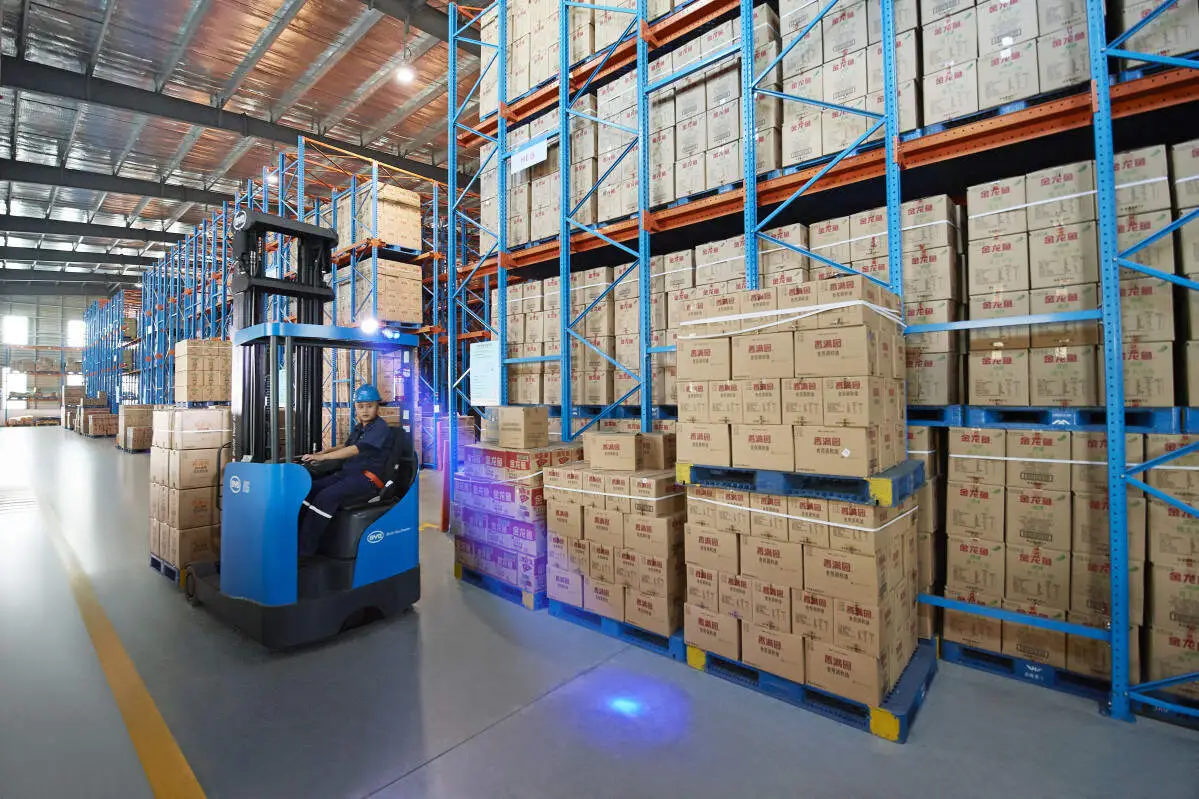
As the logistics and material handling industry shifts toward sustainable solutions, 4-ton electric forklifts have emerged as a popular choice for businesses balancing performance and environmental responsibility. One key consideration for potential buyers is the variation in pricing across different configuration options, as each setup caters to specific operational needs and budget constraints.
Battery configuration is one of the most impactful factors affecting the price of a 4-ton electric forklift. Traditional lead-acid battery systems come with a lower upfront cost, making them a budget-friendly option for operations with less intensive usage. However, these batteries require regular maintenance, have shorter cycle lives, and longer charging times, which can add to long-term operational costs. In contrast, lithium-ion battery systems command a higher initial price but offer significant long-term benefits: longer cycle life, faster charging speeds, and minimal maintenance needs. For businesses with round-the-clock operations or limited charging downtime, the higher upfront investment in lithium-ion batteries often pays off over time.
Charging system configurations also play a role in price differentiation. Standard slow-charging systems are the most economical choice, designed for overnight charging when the forklift is not in use. This setup is ideal for businesses with predictable schedules and dedicated charging stations. On the other hand, fast-charging systems, while more expensive, can recharge a forklift to full capacity in a fraction of the time, reducing downtime for high-intensity work environments where every minute of operation counts. The choice between these systems depends on a business’s daily operational demands and available charging infrastructure.
Beyond core power systems, additional functional configurations can adjust the overall price of a 4-ton electric forklift. Attachments like side shifters, which enhance load positioning flexibility, or clamp attachments for handling specialized goods, add to the initial cost but improve operational efficiency. Higher lifting heights, made possible by reinforced mast structures, also increase the price, as they require stronger components to support heavier loads at greater elevations. It’s important for buyers to evaluate their specific material handling tasks and prioritize configurations that directly address their operational challenges, avoiding unnecessary features that inflate costs.
At Sharp Tree New Energy, we specialize in BYD electric forklifts, offering a comprehensive range of 4-ton models with customizable configurations to meet diverse business needs. Our team of experts can guide you through the configuration selection process, helping you balance performance, functionality, and budget. Whether you need a cost-effective setup for light-duty operations or a high-performance forklift for intensive material handling, we can provide personalized recommendations. For more information or to request a customized quote, please reach out to us via email at 17399989919@163.com.