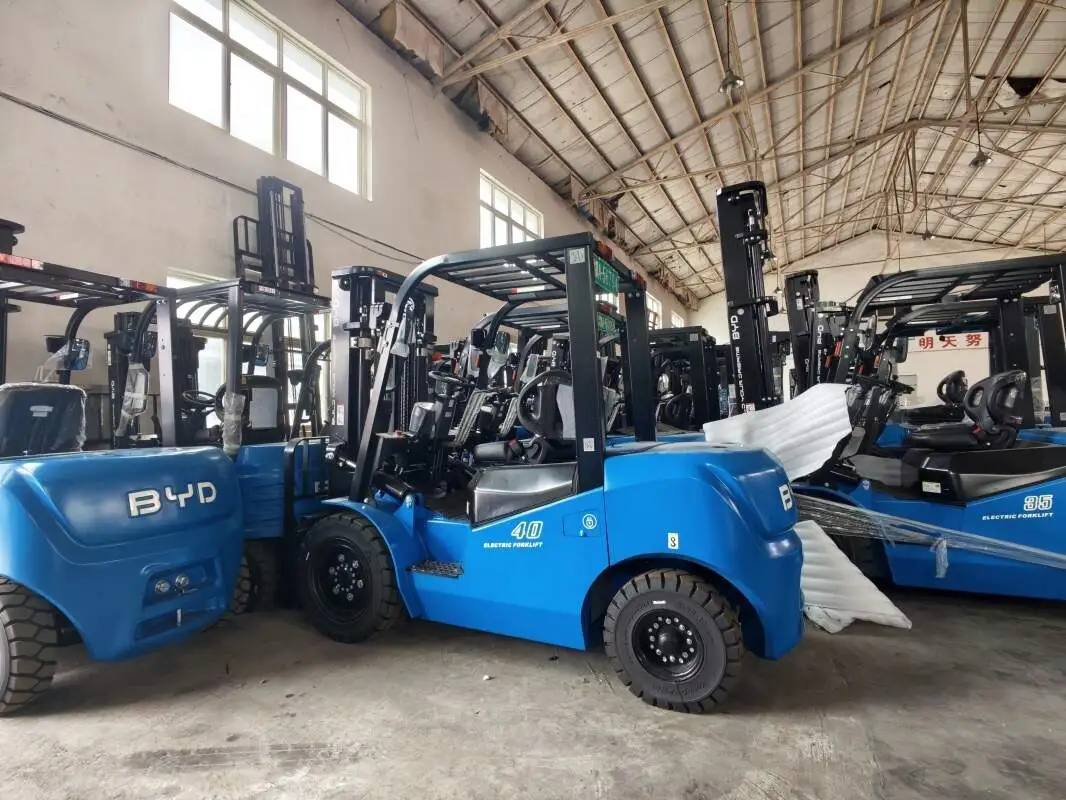
72-inch forklift forks are a versatile attachment designed to handle medium to heavy-duty material handling tasks, balancing maneuverability and load capacity. Understanding their compatibility with various forklift models and optimal application scenarios is critical for maximizing operational efficiency and ensuring workplace safety.
Compatibility is the foundation of effective forklift fork utilization. First, assess the forklift’s rated load capacity. 72-inch forks are typically paired with forklifts that have a load capacity ranging from 5,000 to 15,000 pounds, as longer forks distribute weight differently and require sufficient lifting power to maintain stability. Next, check the fork carriage dimensions: the fork hook openings must match the carriage’s mounting pins to ensure a secure fit. Electric counterbalance forklifts, common in indoor warehouses, often accommodate 72-inch forks if their carriage is sized appropriately, while internal combustion forklifts used outdoors can also utilize these forks for heavier loads, provided the frame and hydraulic system can support the extended length. Mismatched forks can lead to instability, increased component wear, and safety hazards, so always refer to the forklift’s official guidelines before installation.
When it comes to applications, 72-inch forklift forks excel in several key settings. In large-scale warehouses, they are ideal for handling standard 48-inch pallets in pairs, allowing operators to move two pallets at once, cutting down transport time and boosting productivity. For manufacturing facilities, these forks transport heavy machine parts, raw material bundles, and finished products that require a longer support base to prevent shifting during movement. In construction and building supply yards, 72-inch forks safely lift and transport lumber stacks, concrete blocks, and other bulky construction materials, as their length provides better load distribution. They also suit outdoor loading and unloading operations, such as moving goods from delivery trucks to storage areas, where the extended length helps reach deeper into truck beds.
To ensure safe and long-term use, operators should follow best practices. Always inspect forks for signs of wear—such as bending, cracking, or excessive corrosion—before each shift. Avoid overloading beyond the combined capacity of the forklift and forks, and ensure loads are centered on the forks to maintain balance. When operating on uneven terrain, reduce speed and take extra precautions to prevent tip-overs, as longer forks can increase the forklift’s turning radius and affect stability. Regular maintenance, including lubricating mounting points and checking fork thickness, helps extend the lifespan of both the forks and the forklift.
In summary, 72-inch forklift forks are a valuable tool for medium to heavy-duty material handling tasks, offering flexibility across various industries. By understanding their compatibility requirements and optimal application scenarios, businesses can enhance operational efficiency, reduce downtime, and maintain a safe working environment. Always prioritize adherence to official guidelines and safety protocols to maximize the benefits of these forks.