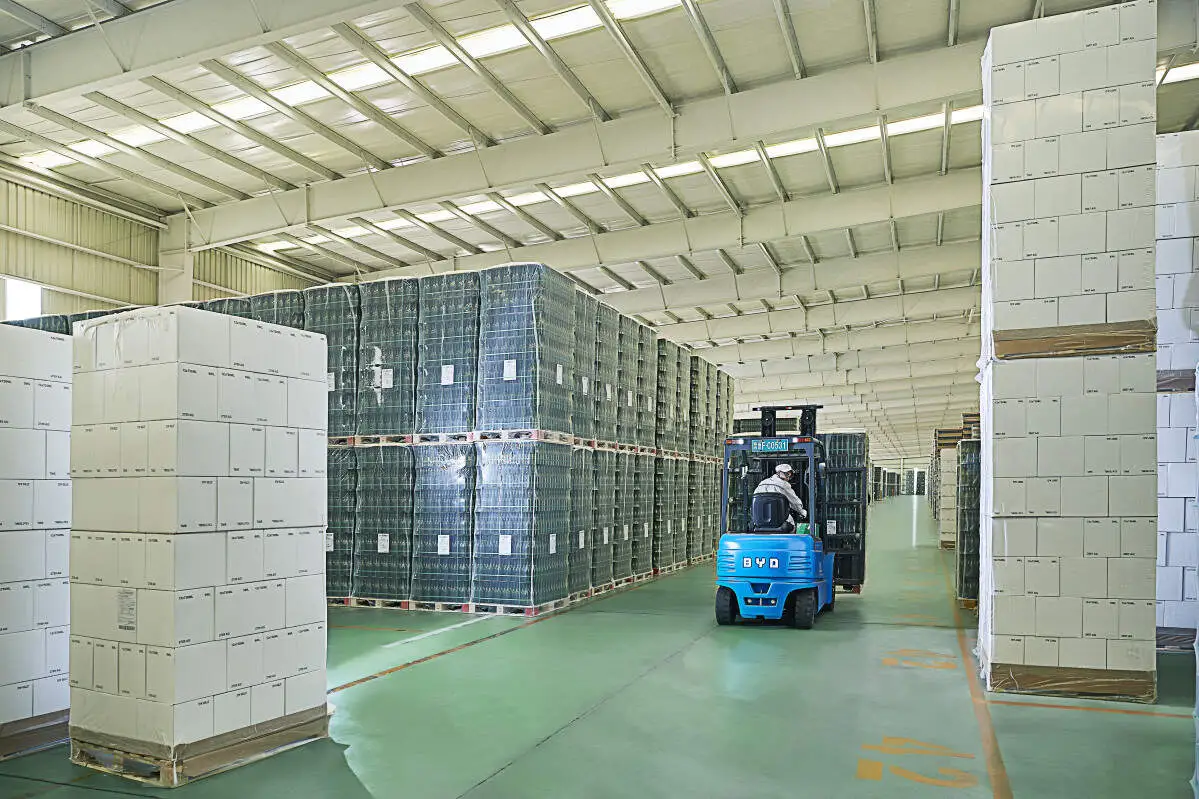
Entering the European market with electric forklifts requires adherence to strict safety and compliance standards, with CE certification being a non-negotiable requirement. This guide breaks down every aspect of CE certification for electric forklifts, from its core purpose to post-certification maintenance, to help manufacturers and importers navigate the process smoothly.
Understanding the Purpose of CE Certification for Electric Forklifts
CE certification serves as a declaration that an electric forklift meets all relevant European Union (EU) health, safety, and environmental protection standards. It is mandatory for any electric forklift intended for sale, rental, or use within the EU/EEA (European Economic Area) and Switzerland. Beyond market access, CE certification ensures that electric forklifts are designed and manufactured to minimize risks to operators, bystanders, and the environment, fostering trust among users and regulatory bodies alike.
Core Regulatory Frameworks Governing Electric Forklift CE Certification
Electric forklifts fall under multiple EU directives, each targeting specific aspects of safety and performance. The three primary directives to consider are:
1. Machinery Directive (2006/42/EC): This is the foundational directive for all machinery, including electric forklifts. It mandates that forklifts are designed with safety features such as emergency stop buttons, overload protection systems, stable load centers, and visibility aids. Manufacturers must conduct risk assessments to identify potential hazards—from operator falls to load instability—and implement safeguards to mitigate these risks.
2. Low Voltage Directive (2014/35/EU): Applicable to electric forklifts powered by batteries or electric motors, this directive focuses on electrical safety. It requires that all electrical components meet insulation standards, have proper grounding, and protect against electric shock. Testing must verify that the forklift’s electrical system can withstand normal and abnormal operating conditions without posing a danger.
3. Electromagnetic Compatibility Directive (2014/30/EU): This directive ensures that electric forklifts do not emit excessive electromagnetic radiation that could interfere with nearby electronic devices, such as warehouse management systems or other machinery. It also requires forklifts to be resistant to external electromagnetic interference, ensuring consistent performance in industrial environments.
In addition to these core directives, manufacturers may need to comply with specific standards related to electric forklifts, such as EN 1757-1 for the design and construction of counterbalanced trucks, and EN 12895 for safety requirements in material handling equipment.
Step-by-Step CE Certification Process for Electric Forklifts
The CE certification process follows a structured workflow, which varies slightly depending on the complexity of the electric forklift and the selected conformity assessment route:
1. Identify Applicable Directives and Standards: Start by reviewing the latest EU regulations to determine which directives and standards apply to your electric forklift model. This may involve consulting with a regulatory expert or notified body (NB)—an organization authorized by the EU to assess conformity.
2. Conduct a Full Risk Assessment: Perform a comprehensive risk assessment to identify all potential hazards associated with the forklift’s operation, maintenance, and disposal. Document every hazard, its severity, and the measures implemented to reduce or eliminate risk. This assessment forms the basis of your technical documentation.
3. Prepare Technical Documentation: Compile a detailed technical file that includes design drawings, component specifications, risk assessment reports, test results, user manuals, and manufacturing processes. The documentation must be in an official EU language and accessible to regulatory authorities upon request.
4. Choose a Conformity Assessment Route: For most electric forklifts, manufacturers can choose between two routes:
- Internal Production Control (Module A): Suitable for simple forklift models with well-documented safety features. Manufacturers conduct their own tests and assessments, then issue a Declaration of Conformity (DoC).
- Notified Body Involvement (Modules B, C, D, or E): Required for complex forklifts or those with high-risk features. A notified body will review technical documentation, conduct on-site audits, and witness testing to verify compliance.
5. Perform Necessary Testing: Conduct tests to validate compliance with applicable standards. This may include electrical safety tests, electromagnetic compatibility tests, stability tests, and functional tests of safety features. Tests can be conducted in-house (if facilities are certified) or by an accredited third-party laboratory.
6. Issue the Declaration of Conformity (DoC): Once all compliance requirements are met, the manufacturer issues a DoC, a legal document stating that the electric forklift meets all relevant EU standards. The DoC must include the manufacturer’s name and address, product identification, list of applicable directives and standards, and a signature from an authorized representative.
7. Apply the CE Marking: Affix the CE mark to a visible, permanent location on the electric forklift, such as the frame or control panel. The mark must be clear, indelible, and accompanied by the identification number of the notified body if one was involved in the assessment.
Common Pitfalls to Avoid During CE Certification
Navigating CE certification can be complex, and even small oversights can delay market access. Some common pitfalls to avoid include:
- Outdated Documentation: Failing to update technical documentation to reflect the latest EU standards or design changes can lead to non-compliance. Regularly review and revise documentation to ensure it remains accurate.
- Incomplete Risk Assessments: Skipping or rushing the risk assessment process can result in unaddressed hazards, which may lead to regulatory penalties or safety incidents. Take the time to identify and mitigate all potential risks.
- Incorrect CE Marking: Applying the CE mark incorrectly—such as using a non-standard size or placing it in an invisible location—can invalidate certification. Follow EU guidelines for the size, placement, and format of the CE mark.
- Ignoring Post-Certification Changes: Modifying an electric forklift’s design or components after certification may require re-assessment. Always notify the relevant notified body and update documentation before making significant changes.
Maintaining CE Compliance Post-Certification
CE certification is not a one-time process; manufacturers must maintain compliance throughout the product’s lifecycle. Key steps include:
- Monitoring Regulatory Changes: Stay informed about updates to EU directives and standards, and adjust your forklift designs and documentation accordingly.
- Conducting Regular Audits: Perform internal audits to ensure manufacturing processes continue to meet compliance requirements. This includes checking component suppliers, assembly lines, and quality control measures.
- Updating Technical Documentation: Keep technical files up-to-date with any design changes, test results, or regulatory updates. Ensure documentation is stored securely and accessible to regulatory authorities.
- Providing Ongoing Support: Supply users with updated user manuals, maintenance guidelines, and safety information. Address any safety concerns or product defects promptly and document all corrective actions.
Conclusion
CE certification is a critical step for electric forklift manufacturers and importers looking to access the European market. By understanding the regulatory frameworks, following the structured certification process, avoiding common pitfalls, and maintaining ongoing compliance, you can ensure your electric forklifts meet EU safety standards, gain market access, and build trust with customers. Investing time and resources into CE certification not only ensures legal compliance but also demonstrates a commitment to safety and quality, which can set your products apart in a competitive market.