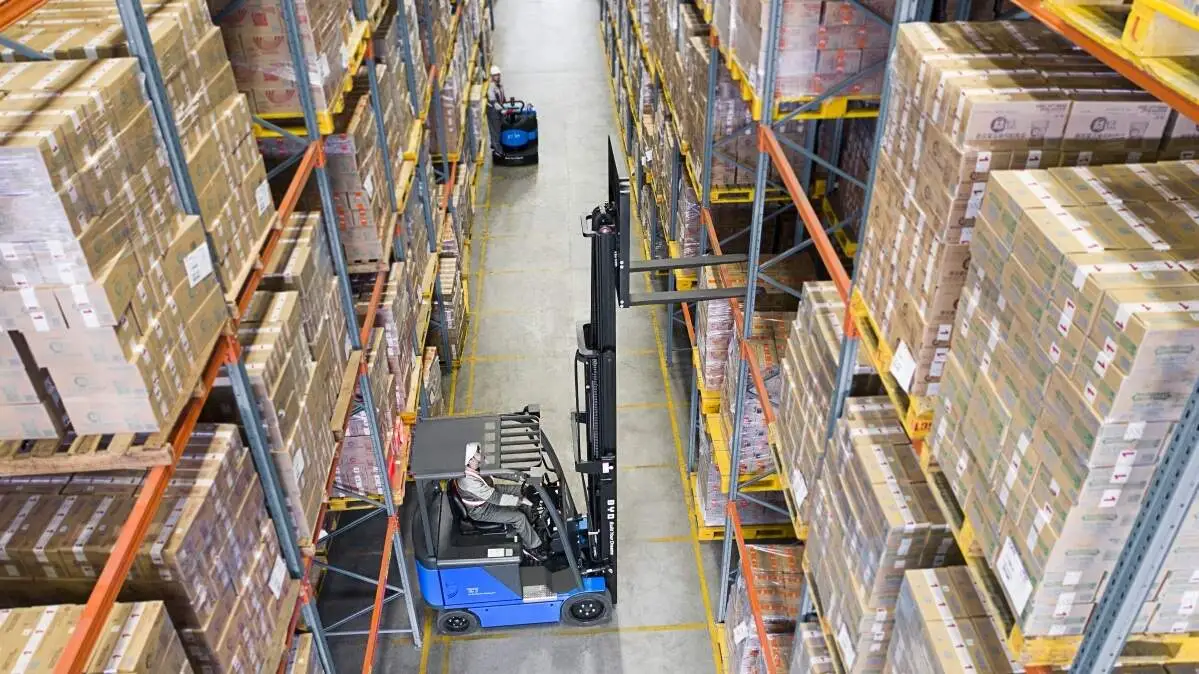
Industrial forklifts are indispensable tools in warehouses, manufacturing facilities, and distribution centers, but their improper use can lead to serious workplace accidents. Implementing structured, actionable safety measures is critical to protecting workers, reducing property damage, and maintaining operational efficiency.
First, comprehensive and ongoing training programs form the foundation of forklift safety. New operators must complete a formal training course that covers not only basic operational skills but also safety regulations, load handling principles, and hazard recognition. Refresher training should be conducted annually or after any incident, near-miss, or change in work environment to ensure operators stay updated on best practices. Training should include hands-on practice in controlled settings, allowing operators to master maneuvers like turning, lifting, and navigating narrow spaces before operating in active work areas.
Second, mandatory pre-operation inspections are essential to catch potential mechanical issues before they cause accidents. Before each shift, operators should conduct a visual and functional check of key components: brakes, steering systems, tires, lights, horns, and hydraulic mechanisms. Any defects or abnormalities, such as worn brake pads or leaking fluids, should be reported immediately, and the forklift should be taken out of service until repairs are completed. This simple step can prevent catastrophic failures during operation, such as brake failure while carrying heavy loads.
Third, enforcing strict operational protocols reduces human error, a leading cause of forklift accidents. Operators must adhere to speed limits tailored to the work environment—slower speeds in crowded areas or near pedestrians. Load capacity limits should never be exceeded, and loads must be properly balanced and secured to prevent tipping. Operators should also maintain a clear line of sight; if a load blocks visibility, they should reverse travel or use a spotter to guide them. Additionally, forklifts should never be used to transport personnel unless equipped with a specially designed safety cage.
Fourth, optimizing the workplace environment plays a significant role in accident prevention. Clear signage should be placed throughout the facility to indicate speed limits, pedestrian zones, and hazard areas. Aisles should be kept wide enough to accommodate forklift movement and free of clutter, such as unused pallets or debris, that could cause trips or collisions. Warehouses should also designate separate paths for forklifts and pedestrians whenever possible, reducing the risk of accidental contact.
Finally, establishing a robust emergency response plan ensures that workers know how to react if an accident occurs. Regular emergency drills should be held to practice procedures for handling collisions, tip-overs, or fires involving forklifts. First aid kits and fire extinguishers should be easily accessible in areas where forklifts operate, and all workers should be trained to administer basic first aid. Reporting near-miss incidents is also crucial, as it allows employers to identify potential hazards and implement corrective actions before a serious accident happens.
By combining these actionable measures—ongoing training, pre-operation inspections, strict protocols, environmental optimization, and emergency preparedness—workplaces can significantly reduce the risk of industrial forklift accidents. A commitment to consistent safety practices not only protects workers but also improves overall operational reliability and reduces downtime associated with accidents.