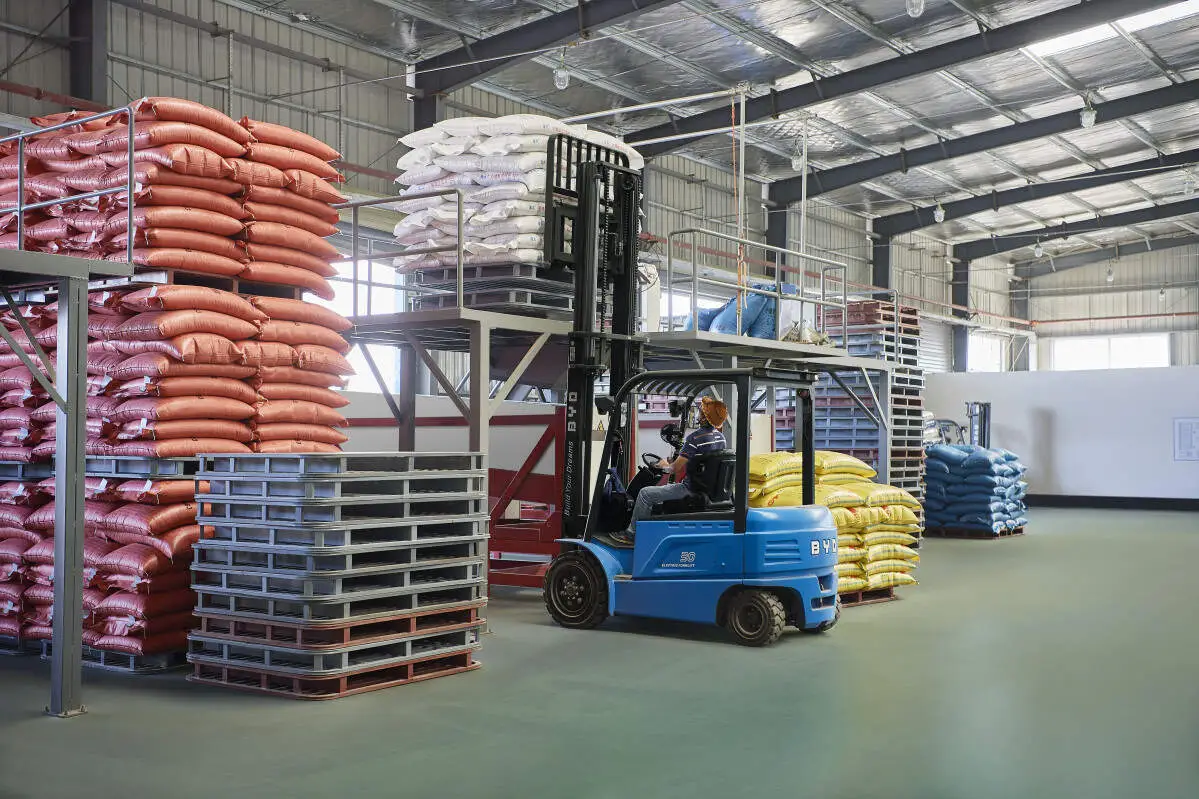
In modern material handling operations, choosing the right forklift type is critical for efficiency, cost-effectiveness, and compliance with operational requirements. Two primary options dominate the market: electric forklifts and internal combustion (IC) forklifts, each with distinct strengths and limitations tailored to different work environments.
Electric forklifts have gained popularity for indoor and enclosed space applications, thanks to their zero tailpipe emissions. This makes them ideal for warehouses, retail distribution centers, and manufacturing facilities where air quality and worker safety are top priorities. They also operate at significantly lower noise levels compared to IC forklifts, reducing workplace noise pollution and improving communication among staff. Additionally, electric models typically have fewer moving parts than their IC counterparts, translating to lower long-term maintenance costs—there’s no need for oil changes, filter replacements, or tune-ups related to internal combustion engines.
However, electric forklifts come with notable drawbacks. Their upfront purchase cost is generally higher than IC forklifts, due to the expense of battery technology. Charging times can also be a limitation; fully recharging a battery may take several hours, requiring careful scheduling to avoid downtime. Moreover, their operating range is constrained by battery capacity, which can be problematic for extended shifts or operations without easy access to charging stations. In extreme cold temperatures, battery performance may also decline, reducing overall efficiency.
On the other hand, internal combustion forklifts remain a go-to choice for outdoor and heavy-duty operations. Powered by gasoline, diesel, or propane, they deliver high torque and lifting capacity, making them suitable for handling heavy loads across rough terrain, construction sites, or outdoor storage yards. Refueling is quick and straightforward—taking only a few minutes compared to hours of charging for electric models—ensuring minimal downtime during busy shifts. IC forklifts also have a lower upfront purchase cost, making them more accessible for small businesses or operations with limited initial budgets.
Yet, IC forklifts have significant limitations. They produce exhaust emissions that contain pollutants like carbon monoxide, making them unsuitable for enclosed or indoor spaces without proper ventilation. Their loud operation can contribute to noise fatigue among workers and may not comply with noise regulations in certain areas. Additionally, fuel costs and maintenance expenses tend to be higher over time; regular oil changes, filter replacements, and engine tune-ups add to the total operational cost, and fluctuating fuel prices can impact budget predictability.
When deciding between electric and IC forklifts, businesses must evaluate their specific operational needs. Indoor operations prioritizing air quality and low noise will likely benefit from electric models, while outdoor, heavy-duty applications may find IC forklifts more practical. Factors like upfront budget, long-term maintenance costs, charging or refueling infrastructure, and shift length also play key roles in making an informed choice.