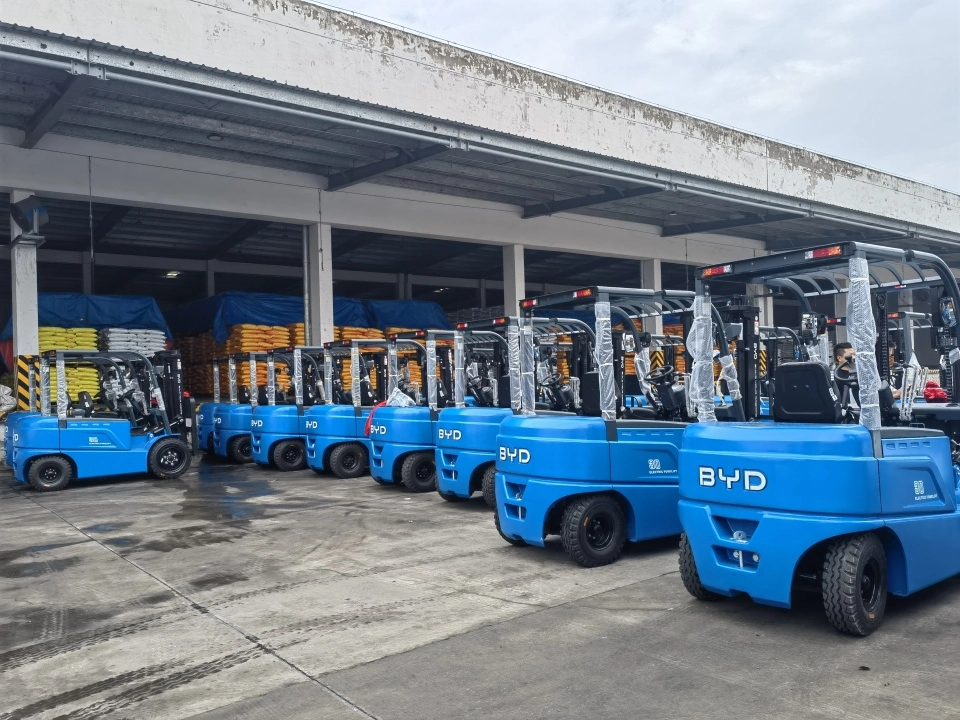
Many forklift operators spend 8 to 10 hours a day sitting in their vehicle’s seat, making comfort a critical factor in maintaining productivity and reducing the risk of musculoskeletal issues. When the original factory seat fails to meet these needs, turning to aftermarket forklift seats becomes a practical solution. This guidance will walk you through key considerations to select the right aftermarket seat that boosts operator comfort and supports long-term work efficiency.
The foundation of a comfortable aftermarket forklift seat lies in its ergonomic design. A well-designed seat should contour to the natural curve of the operator’s spine, providing adequate support to the lower back (lumbar region) and upper back. This helps distribute body weight evenly across the seat surface, reducing pressure points that can lead to fatigue over time. Look for seats that follow ergonomic principles tailored to the unique sitting posture required for forklift operation, where operators often twist and turn to navigate tight spaces.
Adjustability is another crucial aspect to prioritize. Every operator has a unique body type and sitting preference, so the ability to customize the seat’s position directly impacts comfort. Key adjustment options include seat height, backrest angle, armrest position, and seat depth. For example, operators of shorter stature may need to lower the seat and adjust the backrest to a more upright position, while taller operators might require extra legroom and a reclined backrest. Seats with easy-to-use adjustment levers or knobs allow operators to make quick changes without disrupting workflow.
The materials used in the aftermarket seat play a dual role in comfort and longevity. The seat cushion should be made of high-density foam that retains its shape over time, avoiding flattening that can lead to discomfort. The upholstery material should be breathable to prevent excessive sweating during long shifts, especially in warehouses or outdoor environments with varying temperatures. Additionally, the material should be resistant to stains, tears, and wear from constant use, as forklift operators may carry tools or come into contact with dirt and debris.
Before purchasing an aftermarket forklift seat, it’s essential to ensure it is compatible with your specific forklift model. Seats come in different sizes and mounting configurations, so checking the dimensions and mounting points of your existing seat is necessary. A seat that fits poorly not only compromises comfort but can also pose safety risks if it shifts during operation. Many aftermarket seat manufacturers provide compatibility guidelines to help you find the right fit, so take the time to verify this information before making a selection.
Comfort should never come at the expense of safety. High-quality aftermarket forklift seats often include safety features that enhance operator protection. These may include a built-in seatbelt system to keep the operator secure during sudden stops or maneuvers, as well as shock-absorbing mechanisms to reduce the impact of rough terrain or uneven surfaces. Some seats also have side bolsters that provide additional support during turns, preventing the operator from sliding sideways and maintaining a stable sitting position.
Selecting the right aftermarket forklift seat is an investment in both operator well-being and workplace productivity. By focusing on ergonomic design, adjustability, durable materials, compatibility, and safety features, you can find a seat that meets the unique needs of your forklift operators. Taking the time to evaluate these factors will not only improve daily comfort but also reduce the likelihood of work-related injuries, creating a more positive and efficient work environment for your team.