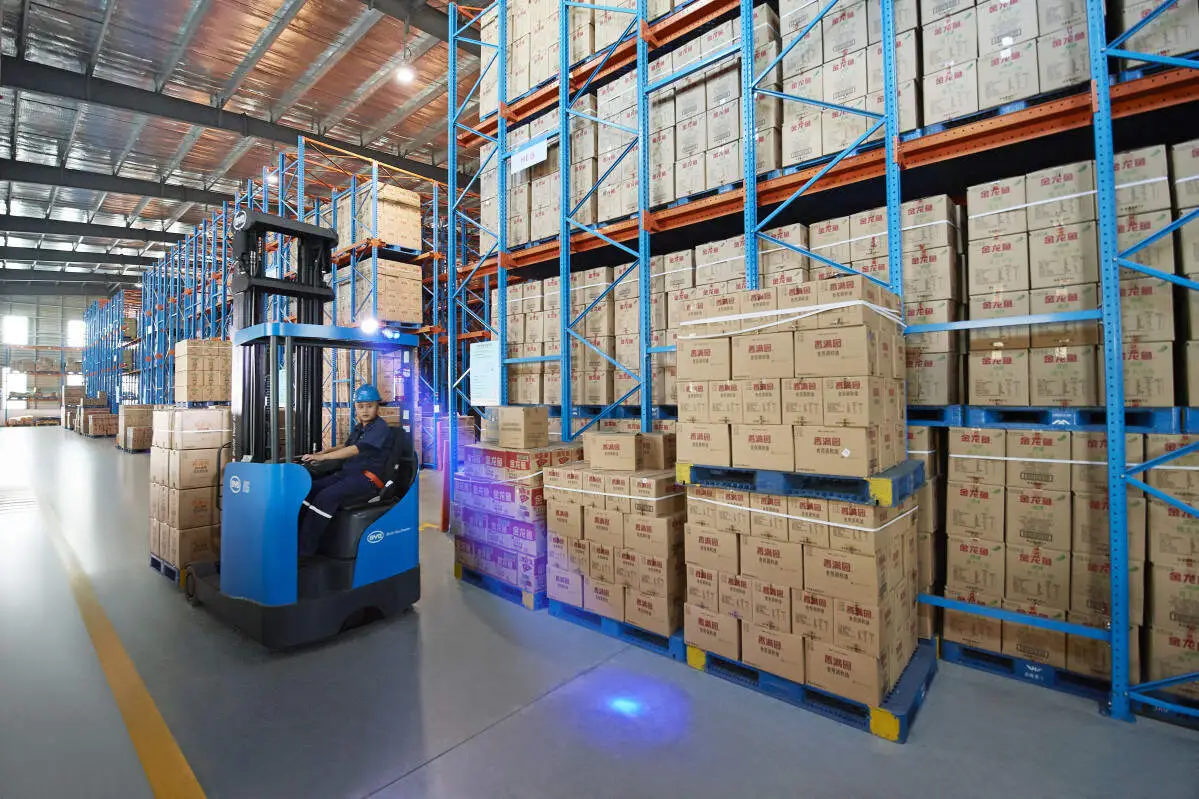
In modern manufacturing, where operational efficiency and flexibility are core priorities, multipurpose forklifts have emerged as indispensable workhorses. Unlike single-function equipment, these versatile tools are designed to adapt to a range of tasks, eliminating the need for multiple specialized machines and optimizing workflow management across different manufacturing zones.
Warehouse Storage and Inventory Management
One of the primary scenarios for multipurpose forklifts is within manufacturing warehouses, where efficient inventory handling directly impacts production timelines. These forklifts can easily maneuver through narrow warehouse aisles, stack palletized raw materials or finished goods at varying heights on racking systems, and support quick inventory sorting. For facilities with small-batch, high-variety production, multipurpose forklifts can switch between tasks—from unloading incoming raw material shipments to picking finished products for outbound delivery—without significant downtime, helping maintain smooth inventory turnover and reducing stock management delays.
Production Line Material Supply
On the manufacturing floor, maintaining a steady flow of materials to production lines is essential to avoid costly production halts. Multipurpose forklifts excel in this scenario, as they can navigate tight spaces between production stations and deliver components, packaging materials, or semi-finished products directly to workers. Their ability to use interchangeable attachments, such as side-shifters or clamps, allows them to handle different types of materials—from small component bins to larger bulk containers—tailoring their function to specific line requirements. This adaptability ensures that production lines receive timely material replenishment, supporting continuous operation and reducing manual labor dependencies.
Heavy Load Handling in Assembly Zones
In assembly areas where large, heavy components are processed, multipurpose forklifts provide reliable load-bearing capabilities when paired with appropriate attachments. For example, they can lift and transport heavy engine blocks, metal frames, or large assembly modules, positioning them precisely for further assembly work. The stability and controlled lifting mechanisms of these forklifts ensure safe handling of heavy loads, minimizing the risk of damage to components and enhancing workplace safety. This makes them a practical choice for heavy-duty manufacturing segments where handling bulky items is a daily requirement.
Cross-Area Material Transfer
Many manufacturing facilities span multiple zones, including indoor production floors, outdoor storage yards, and loading docks. Multipurpose forklifts are equipped to operate seamlessly across these diverse environments. They can transition from smooth indoor warehouse floors to uneven outdoor surfaces, transporting materials between raw material storage yards, processing workshops, and finished goods loading areas. This cross-functional capability reduces the need for separate equipment for indoor and outdoor tasks, cutting down on equipment procurement and maintenance costs while streamlining inter-zone material movement.
By adapting to these key scenarios, multipurpose forklifts play a vital role in enhancing manufacturing operational agility, reducing operational costs, and supporting dynamic production demands. Their versatility makes them a valuable investment for manufacturing facilities looking to optimize their material handling processes and maintain a competitive edge in the industry.