Telehandler forklifts, equipped with extendable boom arms and versatile load-handling capabilities, have emerged as indispensable equipment across multiple industries due to their ability to adapt to varied working environments and perform a wide range of tasks.
In the construction industry, telehandler forklifts play a pivotal role in daily operations. They are widely utilized to transport and place building materials such as steel beams, concrete blocks, and roofing panels across job sites. Their telescopic booms enable operators to reach heights and distances that standard forklifts cannot access, making them ideal for multi-story construction projects. Additionally, they can navigate rough, uneven terrain common in building sites without requiring specialized ground preparation. Whether lifting heavy components to upper floors or moving supplies across muddy patches, telehandlers streamline construction workflows and reduce reliance on manual labor.
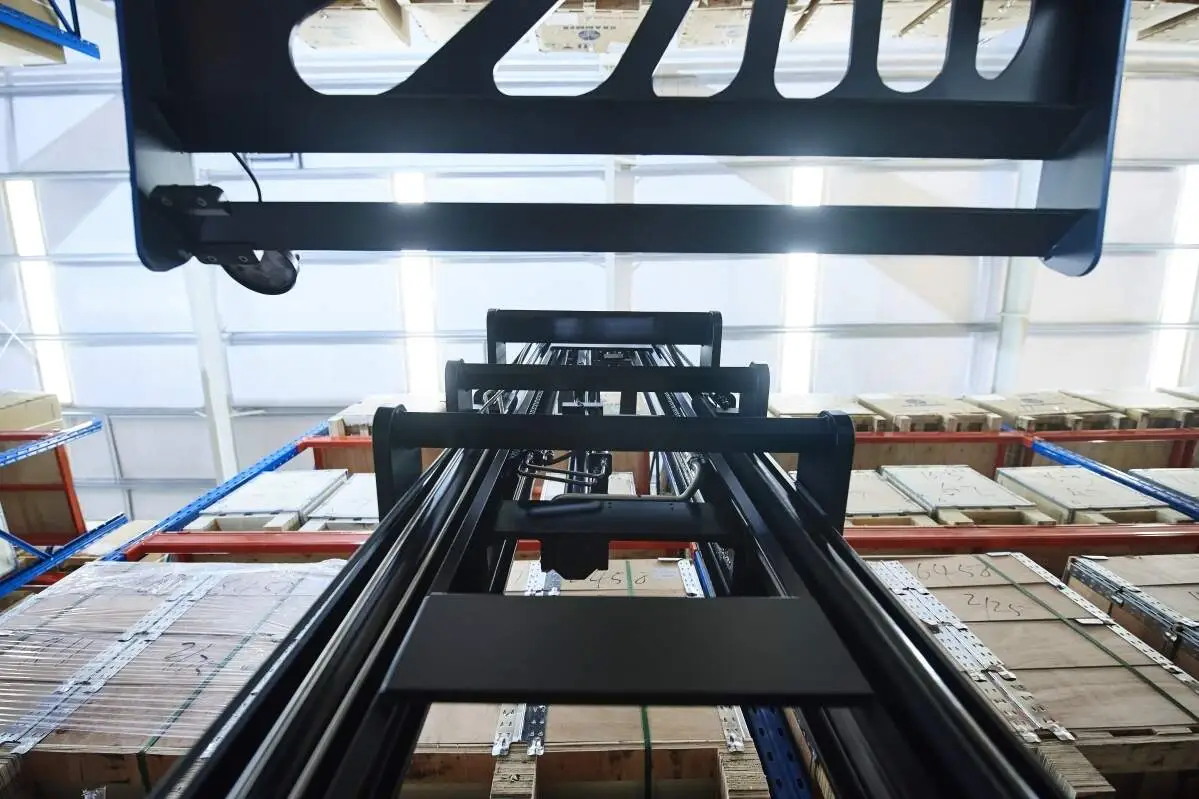
The warehousing and logistics sector also reaps significant benefits from telehandler forklifts. In large distribution centers and warehouses with high racking systems, these machines can access goods stored at elevated heights, optimizing vertical space utilization. Unlike traditional forklifts, telehandlers can extend their booms to reach racks several meters tall, enabling efficient loading and unloading of palletized goods. They are also well-suited for moving oversized or irregularly shaped items that may not fit into standard material handling equipment. By improving inventory access and cutting down on material movement time, telehandlers enhance overall logistics efficiency and support faster order fulfillment.
Agricultural operations depend on telehandler forklifts for a variety of seasonal tasks. During harvest seasons, they assist in loading and unloading crops like grains, fruits, and vegetables onto trucks or storage containers. Their maneuverability allows them to navigate tight spaces in farmyards and fields, while their lifting capacity enables them to handle heavy hay bales or farm equipment. Telehandlers can also be fitted with attachments such as bucket forks or grapples to perform specialized tasks, like clearing debris or moving feed supplies. This versatility makes them a valuable asset for both small-scale farms and large agricultural enterprises, helping to reduce labor costs and boost productivity.
In industrial manufacturing facilities, telehandler forklifts support production processes by moving heavy machinery, raw materials, and finished products. They are often used in assembly lines to transport components between workstations, or in storage areas to organize large inventory items. Their ability to operate in both indoor and outdoor settings makes them flexible enough to meet the diverse needs of manufacturing plants. For instance, they can move heavy metal parts from outdoor storage yards to indoor production floors, eliminating the need for multiple pieces of equipment. By providing a reliable and efficient material handling solution, telehandlers help minimize downtime and keep production schedules on track.
Across all these sectors, telehandler forklifts stand out for their adaptability and functional diversity. Their capacity to switch between different attachments and operate in challenging environments makes them a cost-effective investment for businesses aiming to improve operational efficiency and safety. As industries continue to evolve, the demand for telehandler forklifts is expected to grow, as they offer practical solutions to meet the changing needs of modern workplaces.