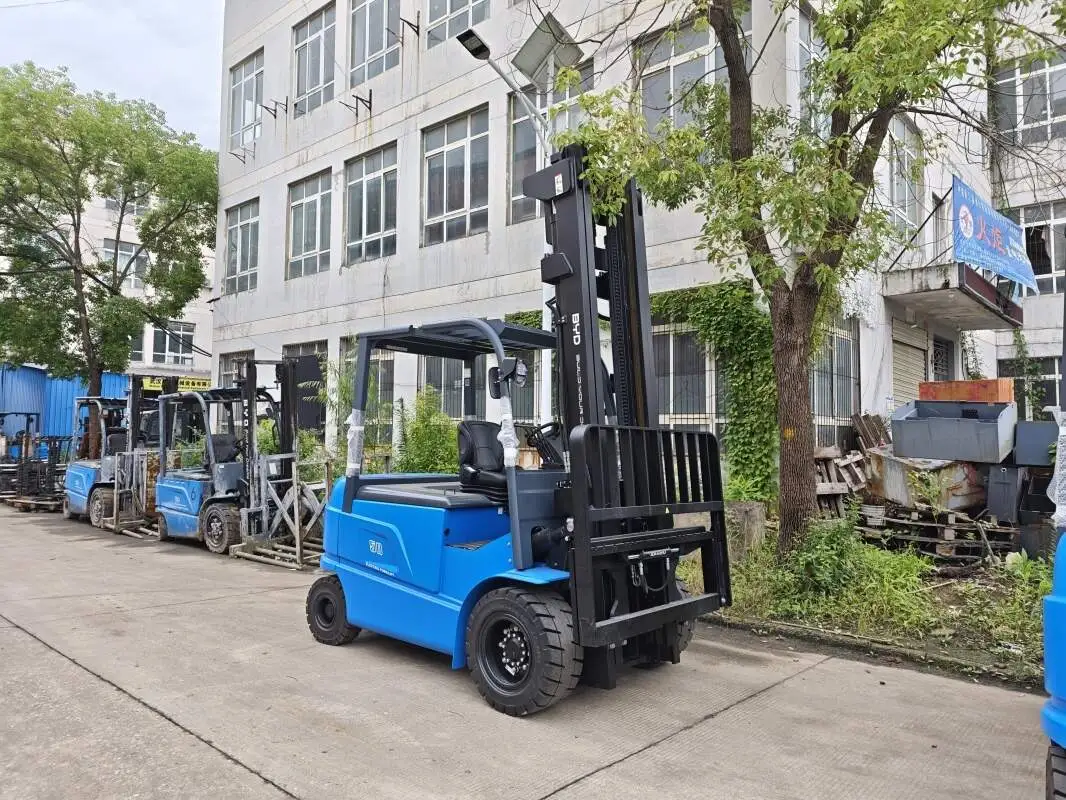
Manual pallet forklifts are a cost-effective, maneuverable solution for material handling in small warehouses, where space constraints and limited budgets often rule out powered equipment. This guide outlines key practices to maximize their utility, safety and lifespan.
Before each use, inspect the load to ensure it is evenly distributed within the pallet’s specified weight capacity—overloading can strain the forklift’s structure and elevate accident risks. When operating, maintain an upright posture with feet firmly planted on the ground, gripping the control handle to steer and move the unit smoothly. For tight turns in narrow aisles, reduce speed significantly to avoid tipping, and keep the load as close to the ground as possible to preserve stability. Avoid sudden stops or acceleration, as these can shift the load and cause spills or structural damage to the pallet.
All staff operating manual pallet forklifts must complete proper training on equipment handling and emergency response procedures. Ensure warehouse aisles are consistently cleared of debris, loose items and obstacles to prevent tripping or collision hazards. When stacking or retrieving loads, never position yourself under elevated pallets, as shifting materials could fall and cause injury. Always engage the parking brake when the forklift is stationary, particularly on sloped surfaces, to prevent unintended movement.
Regular maintenance is critical to prolong the lifespan of manual pallet forklifts. Conduct daily pre-use checks, including inspecting wheels for excessive wear, verifying the hydraulic system lifts and lowers smoothly, and checking for hydraulic fluid leaks. Lubricate moving parts such as hinges, wheel axles and handle joints monthly to reduce friction and prevent premature component failure. When not in use, store the forklift in a dry, covered area to protect it from moisture and dust, which can corrode metal parts over time.
To optimize material handling efficiency in small warehouses, plan workflows and travel routes in advance to minimize unnecessary movement. Group similar tasks together, such as picking multiple orders from the same aisle, to reduce backtracking and save time. Train staff to adjust fork heights quickly to match pallet positions, reducing the time spent on each task. Additionally, schedule periodic equipment inspections to identify potential issues early, avoiding unexpected breakdowns that can disrupt daily operations.
By following these application guidelines, small warehouse operators can enhance the safety, efficiency and durability of their manual pallet forklifts. These actionable steps help streamline material handling processes, reduce operational costs and foster a safer work environment for all team members.