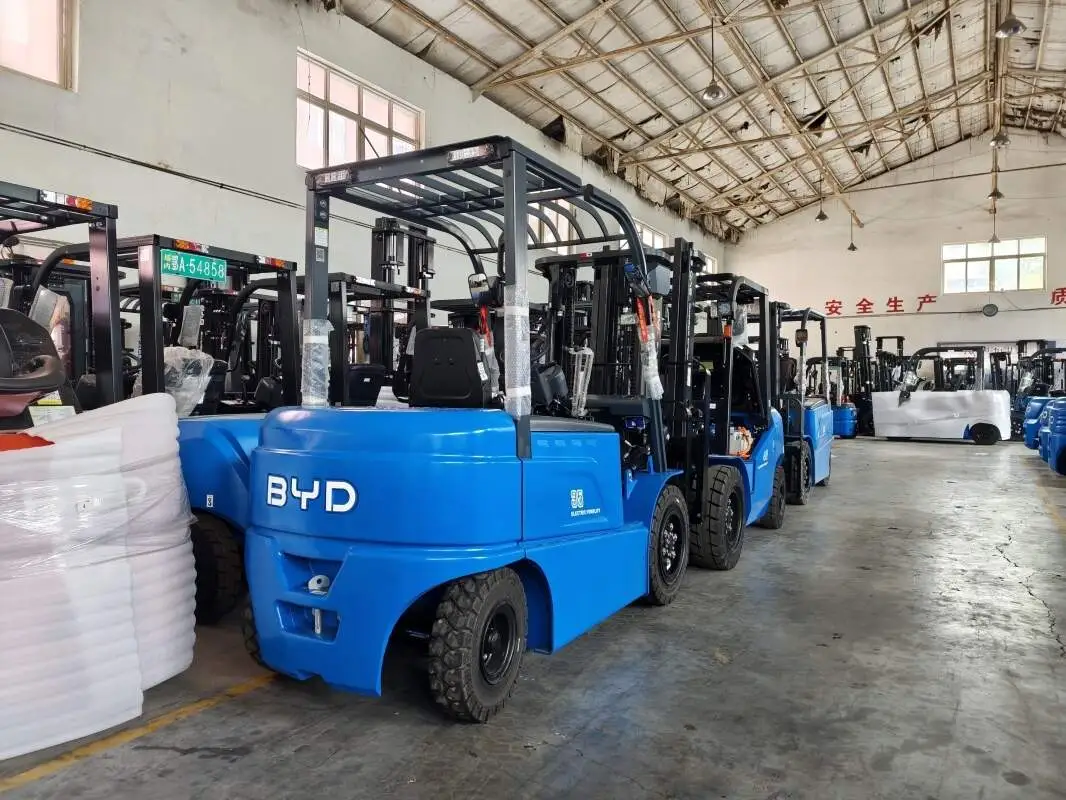
In modern warehouse and logistics ecosystems, industrial forklifts have evolved beyond basic material handling tools to become integral components of smart supply chain networks, largely due to the integration of advanced scanning equipment. This technology creates a seamless link between physical goods and digital inventory systems, unlocking transformative operational benefits that reduce human error, streamline workflows, and enhance overall efficiency.
A primary application of scanning equipment on industrial forklifts lies in optimized inventory management. As forklift operators load, unload, or relocate goods, integrated scanners allow them to scan product barcodes or RFID tags directly from the lift. This real-time data capture automatically updates central inventory databases, eliminating the need for manual data entry that is prone to mistakes. For example, during receiving operations, scanning each pallet as it is offloaded ensures stock levels are accurately recorded, reducing discrepancies between physical and digital inventory. Similarly, during order picking, scanning items confirms the correct products are selected, minimizing shipping errors that can lead to customer dissatisfaction and costly returns.
Another key use case is real-time asset and shipment tracking. Scanning equipment enables continuous monitoring of a shipment’s location and status as it moves through the warehouse. Each scan logs the exact time and location of a pallet or container, providing warehouse managers with full visibility into supply chain flow. This transparency allows for more efficient dispatch scheduling, as managers can quickly locate items for urgent orders and route forklifts to optimal locations. Additionally, tracking data helps identify bottlenecks in material handling, enabling targeted improvements to reduce wait times and increase throughput.
Scanning equipment also plays a critical role in enhancing safety and compliance within warehouse environments. Forklifts equipped with scanners can verify safety details, such as scanning shelf load capacity labels to ensure operators do not exceed weight limits, reducing risks of structural damage or accidents. Some systems require operators to scan identification badges before use, ensuring only trained personnel operate the equipment. Moreover, scan logs provide a detailed audit trail of material handling activities, essential for complying with industry regulations and internal safety standards.
Beyond these core applications, scanning-equipped forklifts deliver measurable long-term benefits. Automating data capture cuts administrative overhead, letting warehouses reallocate staff to higher-value tasks. Real-time inventory data improves demand forecasting, helping maintain optimal stock levels and avoid overstocking or stockout costs. As supply chains grow more complex, these smart forklifts will remain strategic assets, with future AI-driven advancements set to enhance predictive maintenance and route optimization, amplifying their operational value.