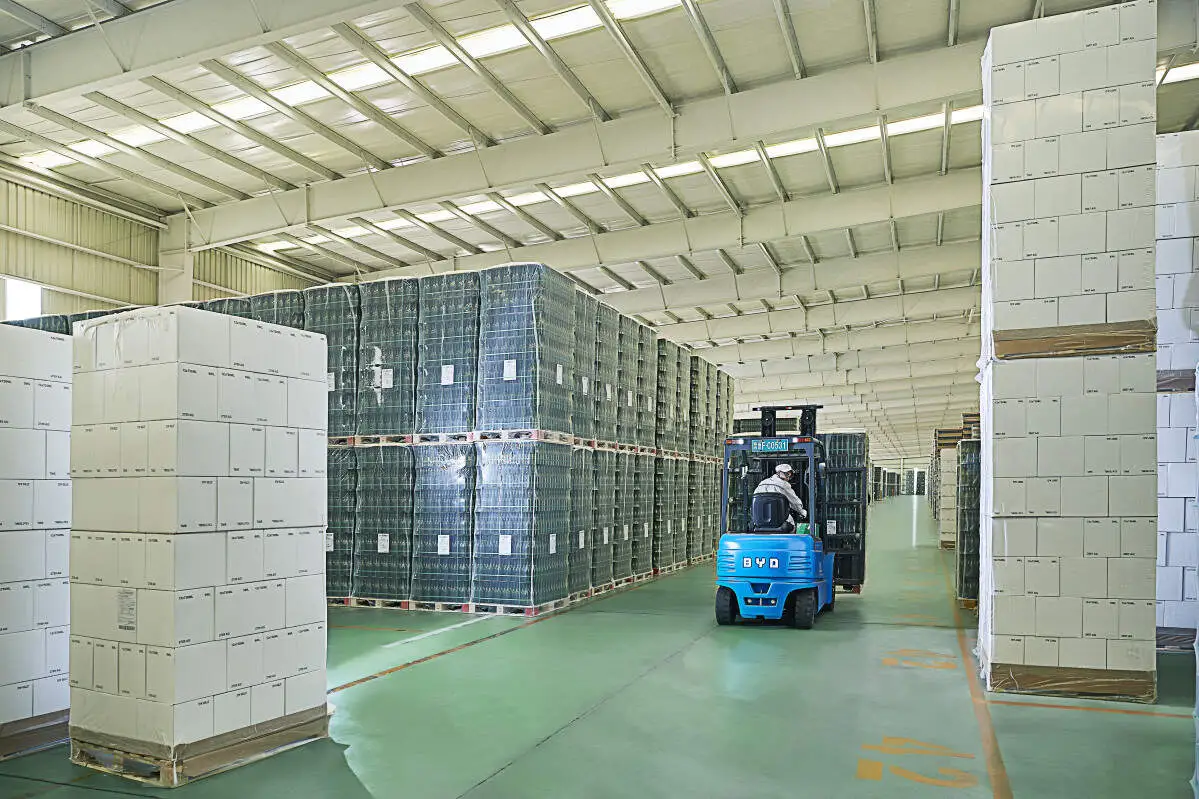
A formal forklift road test is a critical step to ensure operators possess the necessary skills and knowledge to operate forklifts safely in industrial and commercial settings. These tests are designed to evaluate both technical proficiency and adherence to safety protocols, with several core assessment items that form the foundation of the evaluation process.
First, pre-operation inspection is a fundamental component of the test. Evaluators will observe whether operators conduct a thorough check of the forklift before starting operations. This includes examining critical components such as brake systems, tire condition, hydraulic fluid levels, lighting and signaling devices, and load stability mechanisms. Operators must demonstrate an understanding of how to identify potential issues that could compromise safety, as this step helps prevent accidents before they occur.
Next, controlled maneuvering skills are assessed in a designated test area. Evaluators will observe operators performing tasks such as tight turns, reverse driving, navigating narrow aisles, and precise load handling including stacking and retrieving goods from racks. These tasks measure an operator’s ability to control the forklift’s speed, maintain balance with different load weights, and maneuver in confined spaces without causing damage to the forklift, loads, or surrounding infrastructure.
On-road navigation is another key assessment item, especially for operations that require forklifts to travel on public roads or large industrial premises. Operators must demonstrate compliance with traffic rules, such as maintaining appropriate speeds, using turn signals, and yielding to pedestrians and other vehicles. Evaluators will also assess how operators respond to unexpected obstacles, such as sudden stops or cross-traffic, to ensure they can make safe and informed decisions in real-world scenarios.
Emergency response procedures are a vital part of the formal test. Evaluators may simulate emergency situations, such as a sudden brake failure, a falling load, or a pedestrian entering the operating area. Operators must react promptly and correctly, using appropriate techniques to mitigate risks, such as applying emergency brakes, stabilizing the load, or alerting nearby personnel. This assessment ensures operators can handle high-pressure situations effectively to minimize harm.
Finally, ongoing safety compliance is evaluated throughout the entire test. Evaluators will check if operators consistently follow safety guidelines, such as wearing seatbelts, maintaining clear visibility, avoiding distracted driving, and ensuring loads are properly secured. Adherence to these protocols is essential to maintaining a safe work environment, and operators must demonstrate a consistent commitment to safety in every aspect of their operation.
By covering these key assessment items, formal forklift road tests help ensure that operators are fully qualified to handle forklifts safely, reducing the risk of accidents and promoting a culture of safety in the workplace.