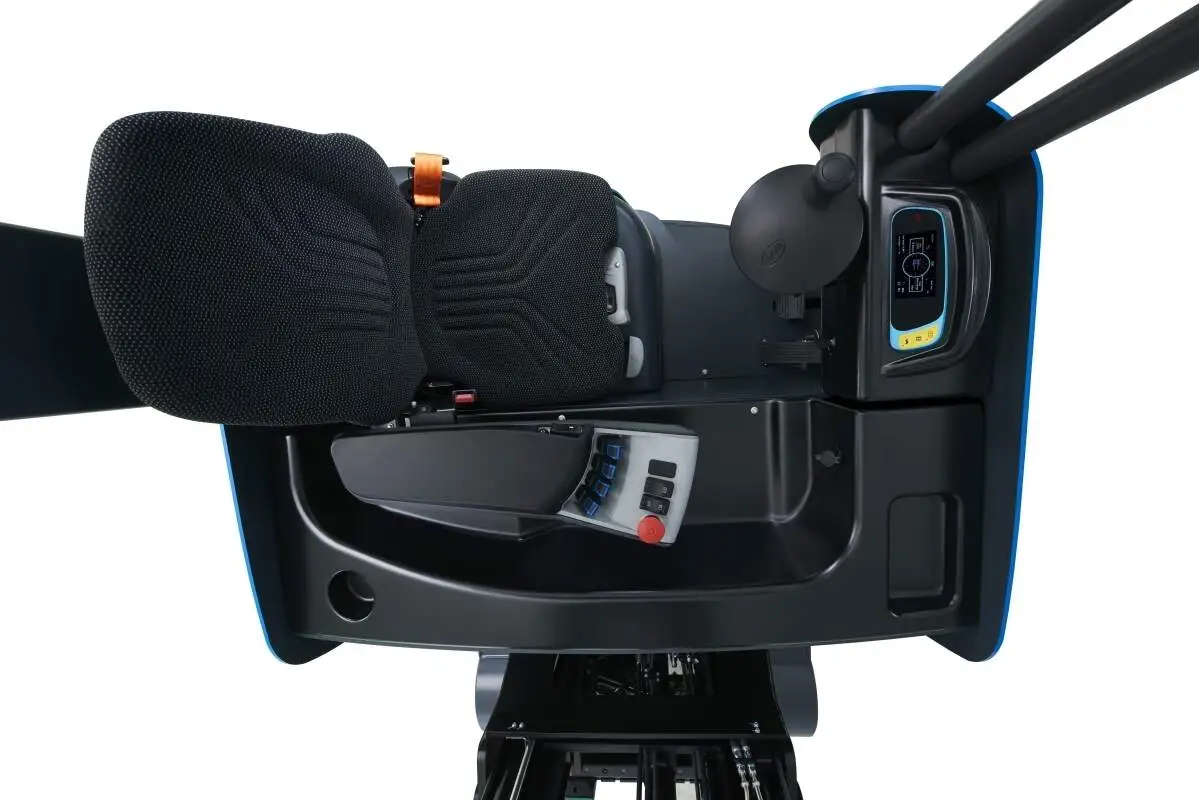
Stand-up indoor warehouse forklifts are tailored for narrow, high-density indoor storage environments, offering unmatched flexibility and operational efficiency compared to sit-down alternatives. Understanding their core specifications is critical for businesses to select equipment that aligns with their daily operational needs, storage layouts, and safety requirements.
Load capacity is one of the foundational specs of these forklifts. Models typically range from 1 ton to 3 tons, catering to a wide spectrum of warehouse tasks. Lower-capacity variants are ideal for frequent handling of light to medium-sized pallets, cartons, and small inventory items, making them suitable for retail and e-commerce warehouses with fast turnover. Higher-capacity models, on the other hand, are designed for heavier loads, supporting tasks like bulk material handling in manufacturing or distribution facilities, provided there is sufficient space to maneuver.
Lift height is another key specification, directly linked to a warehouse’s racking system design. Standard stand-up forklift models offer lift heights between 3 meters and 6 meters, which suits most mid-level storage shelves. For facilities with high-rise racking systems reaching up to 8 meters, specialized models with enhanced stability features are available. These variants incorporate reinforced mast structures and balanced weight distributions to ensure safe operation when lifting loads to maximum heights, reducing the risk of tip-overs in elevated storage zones.
Maneuverability is a defining advantage of stand-up indoor warehouse forklifts, optimized for tight spaces. Most models feature a turning radius between 1.2 meters and 1.8 meters, paired with a compact body width of 1 meter to 1.5 meters. This allows them to navigate narrow aisles as tight as 2 meters, maximizing usable storage space and cutting down on travel time between storage zones. The stand-up design also enables operators to quickly exit the vehicle when needed, further enhancing efficiency in fast-paced warehouse environments.
Power sources are tailored for indoor use, with electric systems being the standard choice to eliminate emissions and comply with indoor air quality regulations. Lead-acid batteries are a cost-effective option, though they require regular maintenance, such as water refills, and longer charging cycles. Lithium-ion batteries, by contrast, offer faster charging times, longer cycle lives, and consistent power output throughout their charge, making them ideal for continuous shift work without disrupting operational flow.
Operator comfort and safety features are integrated into the core specifications of these forklifts. Ergonomic designs include padded armrests, anti-slip foot pedals, and adjustable control panels to reduce operator fatigue during extended shifts. Standard safety features include automatic braking systems that engage when the operator leaves the standing platform, overhead guardrails to protect against falling objects, and visibility enhancements like wide-view masts to improve situational awareness in busy warehouses.
By evaluating these basic specifications, businesses can make informed decisions when selecting stand-up indoor warehouse forklift models, ensuring the equipment supports their operational efficiency, safety standards, and long-term budget goals.