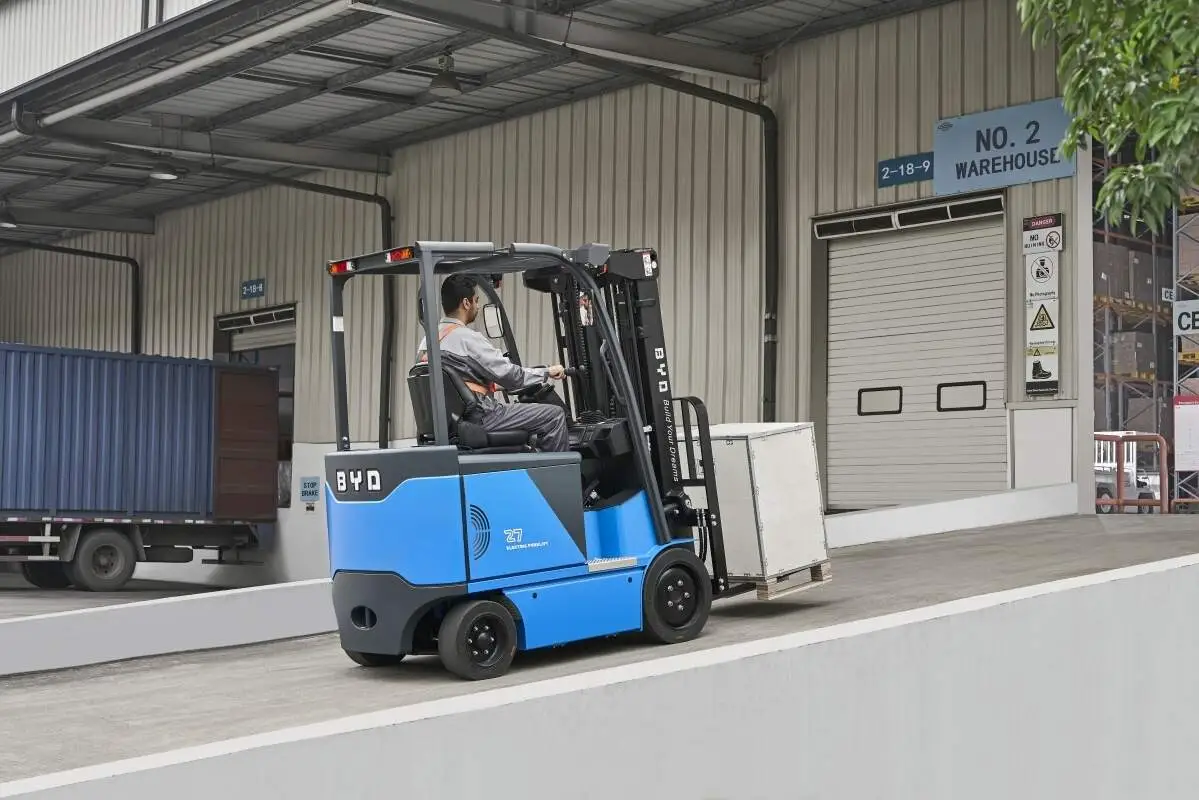
Industrial forklifts are indispensable workhorses in logistics, manufacturing, and warehouse operations, supporting efficient material handling across diverse industries. Understanding the landscape of global industrial forklift manufacturers helps businesses make informed decisions when sourcing equipment tailored to their operational needs.
In North America, industrial forklift manufacturers primarily focus on heavy-duty models designed to handle large loads and rugged working environments. Many prioritize customizable solutions to meet the unique demands of sectors like construction, mining, and large-scale warehousing. These manufacturers often integrate advanced safety features and user-friendly controls into their products, aligning with strict regional workplace safety standards that govern material handling equipment.
European industrial forklift manufacturers are at the forefront of sustainable and technologically advanced equipment. A strong emphasis on electric and hybrid forklifts reflects the region’s commitment to reducing carbon emissions and meeting stringent environmental regulations. These manufacturers also invest heavily in precision engineering, ensuring their forklifts offer high maneuverability and energy efficiency—ideal for confined spaces in urban warehouses and compact manufacturing facilities.
Asia has emerged as a major hub for industrial forklift production, with manufacturers focusing on cost-effective, high-volume production. Many offer a wide range of models, from compact electric forklifts for small warehouses to heavy-duty diesel variants for port operations. This focus on accessibility makes Asian manufacturers a go-to choice for businesses seeking reliable equipment at competitive prices, while some are also expanding into advanced automation features like autonomous navigation to meet the growing demand for smart warehouse solutions.
Across all regions, the industrial forklift industry is evolving rapidly, driven by trends like automation, electrification, and data-driven fleet management. Manufacturers worldwide are adapting to these shifts, balancing functional requirements with sustainability goals to meet the changing needs of global businesses. By understanding the regional strengths and focuses of different manufacturers, businesses can select the right equipment to enhance their material handling efficiency while aligning with long-term operational and environmental objectives.