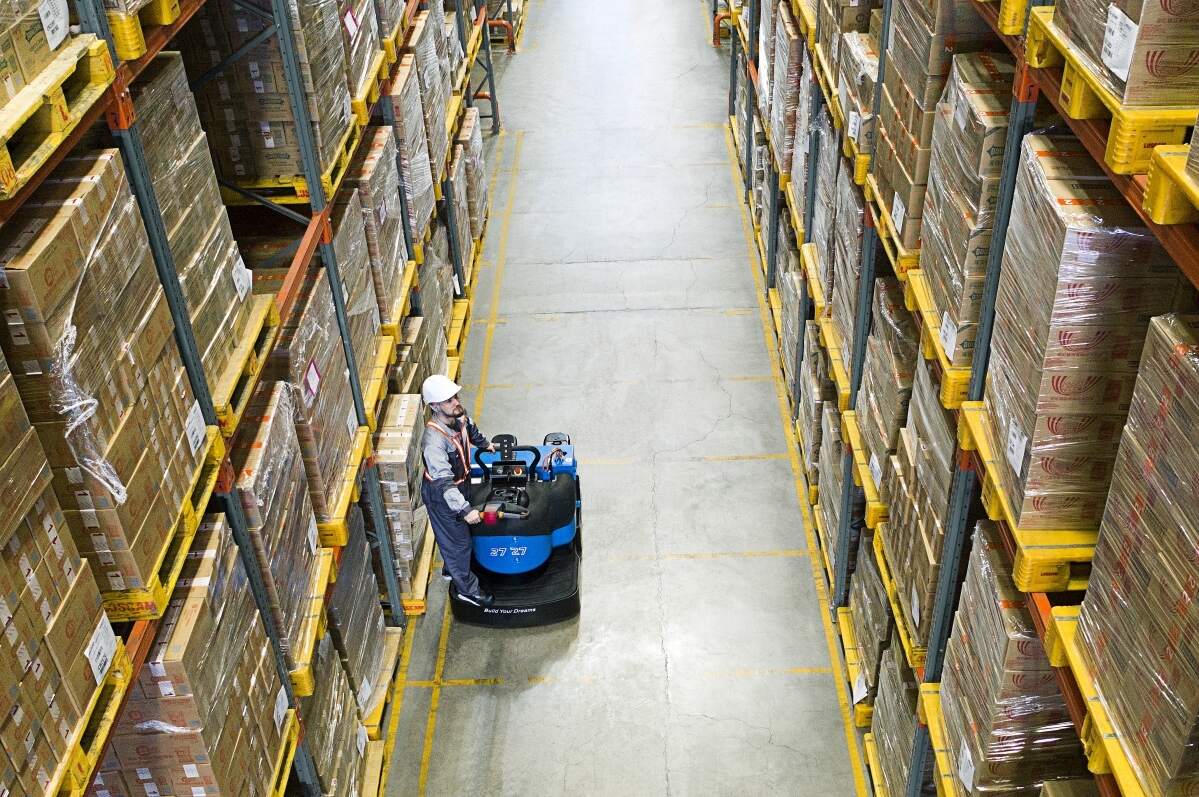
Hobbyists with a passion for mechanical projects often turn to heavy-duty forklift models as a rewarding build challenge. These models combine structural durability with functional mechanics, mirroring core operations of full-sized forklifts while remaining accessible for at-home construction. Whether you’re a seasoned hobbyist or new to mechanical builds, a structured approach ensures your model is both robust and functional.
Start with material selection tailored to hobby use. Opt for lightweight yet sturdy materials for the frame—thin-gauge steel or aluminum works well, offering rigidity to support simulated loads without being overly heavy. For non-structural components like forks and control handles, high-density plastic balances durability and ease of shaping. When choosing a motor, prioritize moderate torque levels suitable for hobby-scale operations; avoid over-powered options that may strain the model’s frame or complicate power management. Ensure all materials are easy to source and work with using basic tools like cutters, drills, and adhesives.
Next, focus on structural assembly, beginning with the chassis. Cut and shape frame components to precise measurements, using clamps to hold pieces in place while securing them with bolts or basic welds. The chassis is the foundation, so alignment is critical to prevent steering and load balance issues later. Once stable, move to the lift mechanism. Install spring-loaded or gear-driven lifts—practical alternatives to full hydraulic setups for hobby models. Attach forks to the lift carriage, ensuring they slide smoothly along guide rails. Finish the structural phase by adding the steering system, connecting the wheel assembly to a control handle via gears or rods for responsive movement.
After assembly, conduct functional testing to refine performance. Start with a basic motor test, running the system at low power to check for unusual noises or gear binding. Test the lift mechanism by raising and lowering light simulated loads, adjusting tension or gear alignment if movement is jerky. For steering, maneuver the model on a flat surface to ensure wheels turn evenly without dragging. Make small adjustments to connections or components as needed, troubleshooting each issue before proceeding.
Finally, implement regular maintenance to extend the model’s lifespan. Clean components after each use to remove dust and debris that can clog moving parts. Lubricate gears and rails periodically to keep operations smooth. Inspect bolts and connections for tightness, as vibration from use can loosen parts over time. With proper care, your hobby-use heavy-duty forklift model can provide hours of enjoyment and showcase your mechanical skills.