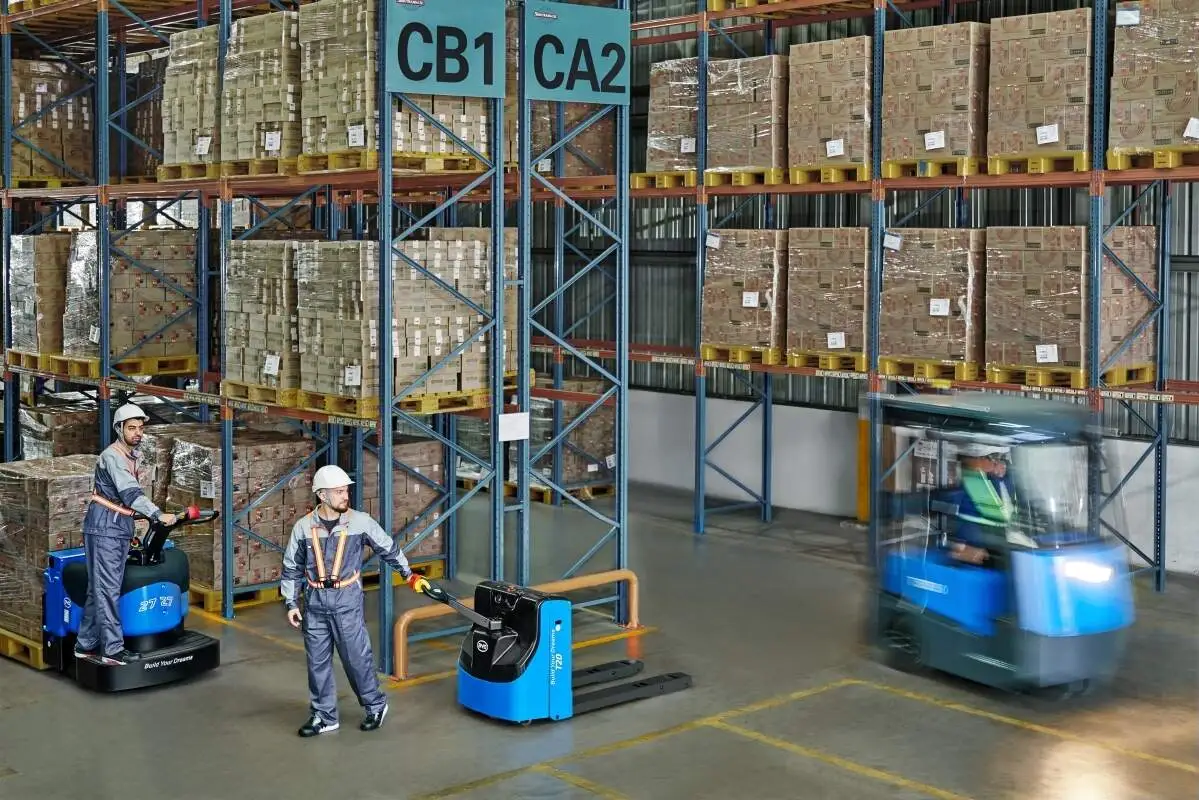
When it comes to maintaining the performance and safety of Class 2 forklifts—commonly used in indoor warehouses, distribution centers, and manufacturing facilities—replacing worn or damaged forks is a critical task. Choosing the right replacement forks not only ensures operational efficiency but also reduces the risk of workplace accidents. This buying guidance outlines key factors to consider when selecting Class 2 forklift forks for equipment replacement.
First and foremost, prioritize load capacity compatibility. Every Class 2 forklift has a specified rated load capacity, and replacement forks must match this rating exactly. Using forks with a lower load capacity can lead to structural failure under heavy loads, while oversized forks may cause imbalance and handling issues. To determine the correct capacity, refer to your forklift’s operator manual or the manufacturer’s specifications, and ensure the forks are designed to support both the maximum load weight and the load center distance required for your operations.
Next, evaluate the material quality of the forks. Class 2 forklifts often operate in environments with frequent material handling, so forks need to be durable and resistant to wear, bending, and corrosion. High-strength steel is the standard material for forklift forks, as it offers excellent tensile strength and impact resistance. For operations involving corrosive materials or high-humidity environments, look for forks with protective coatings like galvanization or powder coating to extend their lifespan.
Dimension matching is another crucial factor. The length, thickness, and root dimensions of the forks must align with your forklift’s carriage and attachment points. Forks that are too long can affect maneuverability in tight spaces, while undersized forks may not securely hold loads. Measure the existing forks’ dimensions carefully, including the fork height, width at the tip, and the shank size that fits into the carriage’s fork pockets. This ensures a proper fit and prevents unnecessary adjustments or safety hazards.
Compliance with safety standards is non-negotiable. Reputable replacement forks should meet industry safety regulations set by global occupational safety bodies. Look for markings or certifications that confirm the forks have been tested and approved for use with Class 2 forklifts. Additionally, inspect the forks for any signs of defects like cracks, bent tines, or worn edges before installation, as these can compromise safety during operation.
Finally, consider the maintenance requirements and long-term durability of the forks. Opt for forks that are easy to inspect and maintain, with smooth surfaces that allow for quick cleaning. Some forks come with reinforced tips or wear indicators, which help you monitor when replacements are needed. Investing in high-quality forks may have a higher upfront cost but can reduce long-term maintenance expenses and minimize downtime due to unexpected failures.
In summary, selecting the right Class 2 forklift forks for replacement requires careful consideration of load capacity, material quality, dimensions, safety compliance, and maintenance needs. By taking these factors into account, you can ensure that your forklift operates safely, efficiently, and reliably, supporting your daily material handling operations. Always consult your forklift’s documentation and, if unsure, seek advice from a qualified equipment specialist to make an informed purchasing decision.